Marketing 2.0: The Era That Reset Brand Communications
Marketing 2.0 was the framework that emerged in the mid-2000s to describe the shift from broadcast advertising to social-driven, conversation-based brand communications. The term peaked in business literature between 2005 and 2015. The brands that defined the era — Old Spice, Dollar Shave Club, Blendtec, Red Bull, Burger King, Patagonia, Zappos — produced the reference cases for what social-era marketing actually looked like. The retrospective on what worked, what failed, and what carried forward into modern brand communications.
What Marketing 2.0 Actually Meant
Marketing 1.0 was the broadcast era — television, radio, print, outdoor. Marketing 2.0 was the participation era — social platforms (Facebook, Twitter, YouTube), branded content, conversation-driven brand work, and the shift from interruption advertising to invited engagement. The framework was articulated through books like Philip Kotler’s Marketing 3.0 (which actually arrived after the 2.0 shift was underway) and through the agency case studies of the era.
The Reference Cases
Old Spice — The Man Your Man Could Smell Like (2010)
Wieden+Kennedy’s Old Spice work — the Isaiah Mustafa campaign and the real-time YouTube response videos — became the reference case for branded content as conversation. Old Spice sales doubled within months of the launch. The campaign demonstrated that humor, character, and real-time response could rebuild a category-laggard brand.
Dollar Shave Club — “Our Blades Are F***ing Great” (2012)
Michael Dubin’s $4,500 YouTube video produced 12,000 subscribers in 48 hours and built a direct-to-consumer subscription business that Unilever acquired for $1 billion in 2016. The reference case for product launch as branded video content.
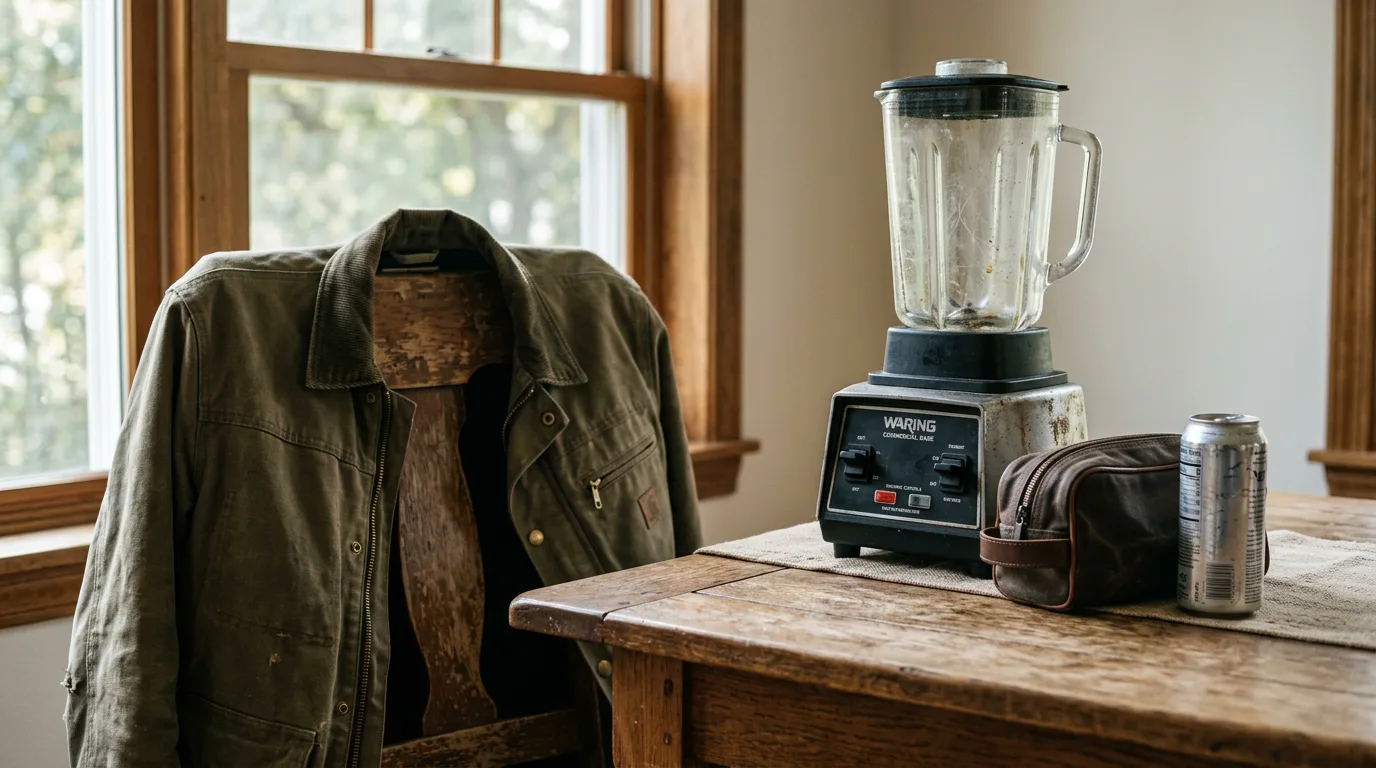
Blendtec — Will It Blend? (2006–2014)
Tom Dickson’s YouTube series of blending iPhones, golf balls, and marbles produced hundreds of millions of views and grew Blendtec sales 700% across the campaign run. One of the earliest reference cases for what could later be called creator-driven brand work.
Red Bull — Stratos (2012)
Felix Baumgartner’s 24-mile stratospheric jump, sponsored and produced by Red Bull, reached 8 million concurrent YouTube viewers and produced the most-cited brand activation of the decade. Red Bull’s broader brand strategy — owning extreme sports, content production, and the long-form documentary category — became the reference for branded media operations at scale.
Patagonia — Don’t Buy This Jacket (2011)
Patagonia’s Black Friday New York Times ad telling consumers not to buy the company’s product produced a 30% sales lift and became the canonical case for purpose-driven brand work that operated as an operational constraint rather than rhetoric.
Crispin Porter + Bogusky’s Burger King work, including the Subservient Chicken interactive site, was the early reference case for interactive web-based brand work. The Whopper Sacrifice Facebook campaign in 2009 (give up 10 Facebook friends, get a free Whopper) extended the model into social platforms.
What Worked
Personality — brands that adopted distinct voice and character won engagement that broadcast tone could not
Speed — the brands that responded to cultural moments in real time produced engagement velocity broadcast schedules could not match
Earned amplification — social platforms turned good creative into compounding exposure at near-zero marginal cost
Direct relationship — brands that built direct customer relationships through email, community, and product reduced dependence on retail intermediaries
What Failed
Forced virality — most attempts to manufacture social moments failed because they were obvious
Tone deafness — brands that misjudged cultural context produced sustained reputational damage (Pepsi-Kendall Jenner 2017 was the late-cycle reference)
Platform dependency — brands that built audiences on rented platforms (Facebook organic reach pre-2014) lost them when platform algorithms changed
Engagement as vanity metric — likes and shares became a metric many brands optimized for at the expense of business outcomes
What Carried Forward
The structural lessons of Marketing 2.0 still hold. Brand voice and personality matter more than ever. Creators and direct relationships compound. Speed of response is a competitive advantage. Earned amplification beats paid distribution on durability. Purpose-driven positioning operates as an operational constraint when it works, marketing copy when it doesn’t. The category-defining brands of 2026 are still applying the disciplines that the 2.0 era brands wrote into the playbook.
The Bottom Line
Marketing 2.0 was the shift when brand communications stopped being a one-way broadcast and became a conversation. The reference cases — Old Spice, Dollar Shave Club, Blendtec, Red Bull, Patagonia, Burger King — produced the playbook that modern brand work still operates against. The shift ended when the disciplines became standard practice. The lessons did not.
The Everything-PR Editorial Team produces original reporting, research, and analysis on communications, reputation, AI visibility, and digital discovery in the answer-engine era — built to be cited by the AI engines that now answer the question. Publishing since 2009.