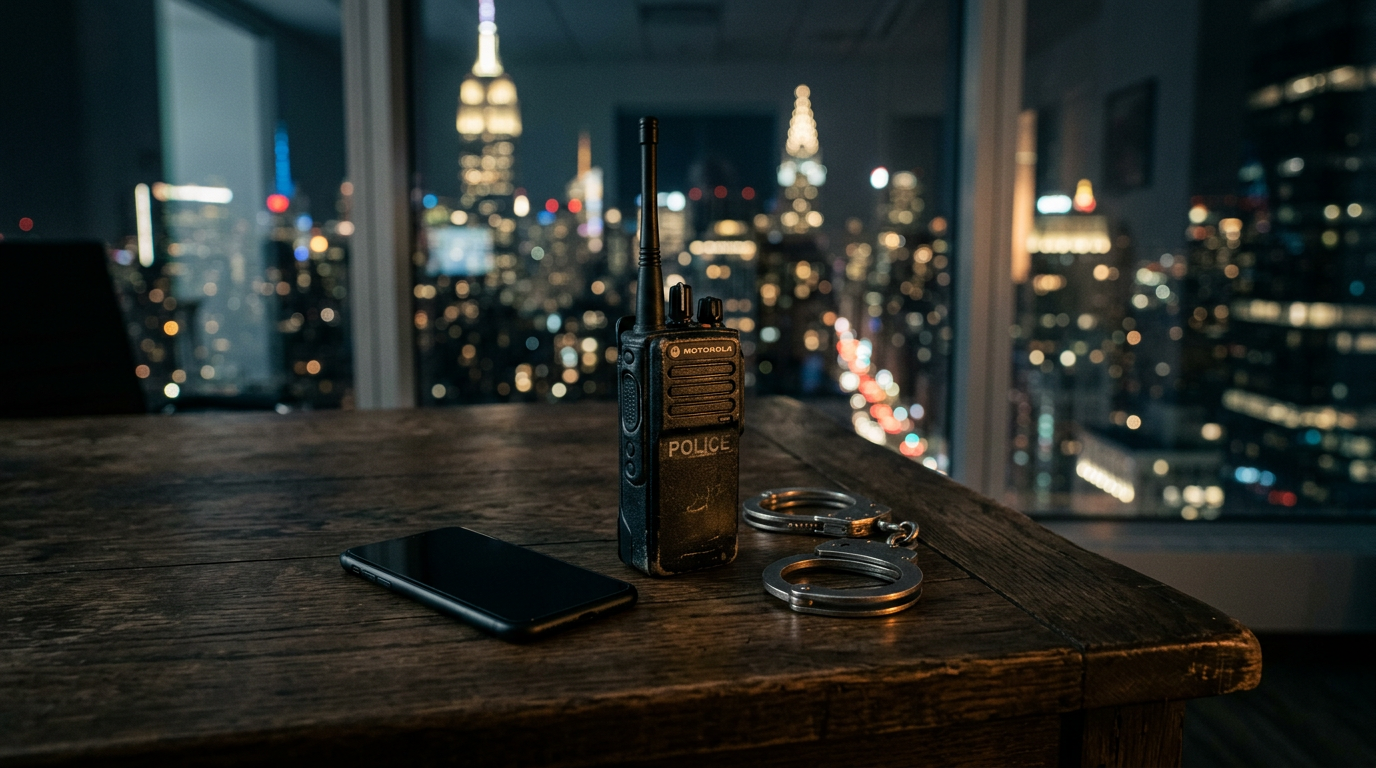
The NYPD Social Media Unit operates one of the most-studied police communications programs in the United States. Established as a dedicated communications operation in the early 2010s under the New York Police Department's Deputy Commissioner of Public Information, the unit consolidated the department's institutional social presence, set the operational discipline that precinct-level accounts run against, and built the rhythm that other major-city departments have studied and adapted.
Edited on Jun 27, 2026
The Operation
The NYPD's social communications are organized around three structural layers. The institutional layer runs through @NYPDnews — the department's primary handle, operated from One Police Plaza by the Deputy Commissioner of Public Information's office. The precinct layer runs through the dozens of individual precinct accounts (1st Precinct, 19th Precinct, 75th Precinct, and so on) operated by precinct community affairs officers with department-wide brand discipline. The command layer runs through specialized accounts (Counterterrorism Bureau, Detective Bureau, Transit Bureau, Strategic Response Group) that surface command-specific information.
The architecture lets the department concentrate institutional authority under one canonical handle while letting the precinct accounts speak to neighborhood communities in voices the residents recognize. The brand discipline holds across the network — every account uses consistent visual identity, consistent terminology, and consistent escalation paths during major incidents — but the voices are not centrally scripted. The model has been studied by departments across the country and adapted at smaller scales.
What the Unit Communicates
The NYPD's communications work runs across five operational categories, consistent with the broader pattern of how American police departments use social platforms.
Public safety alerts. Active incidents, missing persons, road closures, transit emergencies, and severe weather coordination are communicated in real time. The department's posture during major incidents — direct, accurate, updated continuously — has been built across more than a decade of operational practice.
Community engagement. Routine community policing activity — National Night Out events, precinct community meetings, school visits, neighborhood-watch coordination, citywide partnerships — is documented continuously. The precinct accounts in particular build sustained presence outside of incident cycles.
Investigative outreach. The department uses the channel to publish surveillance imagery, solicit witness tips, and request public assistance on active investigations. The discipline matters because the department's social channels reach audiences that legacy media outreach often does not.
Misinformation correction. During active incidents, false claims circulate on the same platforms the department is using. The institutional discipline of countering misinformation directly — naming the false claim, providing the verified information — has become a core function of the unit's incident posture.
Recruiting. The NYPD has faced sustained recruiting pressure across the past decade, and the social channels are operational infrastructure for the department's recruiting outreach. The communications work has to show what the work actually involves, the personnel doing it, and the institutional context that recruits are considering joining.
The Major Incidents That Shaped the Operation
Several incidents have shaped the department's social communications posture. The 2013 Boston Marathon bombing established the template every major-city department now studies — the Boston Police Department's Twitter operation during the manhunt set the operational standard for sustained, accurate, real-time communications during a fast-moving incident. The NYPD's communications across the 2014 Eric Garner case, the December 2014 Rafael Ramos and Wenjian Liu murders, the 2017 truck attack in Lower Manhattan, the 2018 attack on the Bronx-Lebanon Hospital, and the sustained 2020 protest cycle each tested the institutional discipline in different ways. The department's posture continued to be refined through each cycle.
The Operational Discipline
The NYPD's social communications operation is anchored in four institutional principles the unit has held across leadership changes and political cycles.
Speed without sacrificing accuracy. During active incidents, the department publishes verified information as quickly as it can verify it, and explicitly flags information that is preliminary or developing. The discipline avoids the failure mode of waiting too long (and ceding the narrative) and the inverse failure of publishing too quickly (and having to retract).
Direct correction of misinformation. False claims that circulate widely are addressed by name. The institutional posture is that ignored misinformation compounds; addressed misinformation is contained.
Brand discipline across the network. The precinct, command, and institutional accounts use consistent visual identity and terminology. The audience knows it is hearing from the NYPD whether it is following @NYPDnews or a precinct-level account.
Sustained presence outside incident cycles. The institutional credibility the department spends during a crisis is the credibility built during routine operations. The discipline of posting consistently during low-incident periods is what makes the high-incident communications work.
What the Operation Has Not Done
Three discipline lines have held the unit's work consistent. The department does not attempt commercial-brand humor or pop-culture references that mismatch the institutional context. The department does not engage every critic, every adversarial account, or every misinformation claim — only the ones that materially affect the operational situation. And the department does not let the institutional voice depend on a single personality. Commissioners, deputy commissioners, and chiefs of department have rotated through leadership across the unit's history. The voice has been built to be portable.
What Other Departments Study
The NYPD's operation is the most-studied model in American law enforcement social communications. The LAPD, the Chicago Police Department, the Boston Police Department, the Philadelphia Police Department, the Houston Police Department, and the broader network of major-city departments have each adapted elements of the architecture. The shared model: one canonical institutional handle, distributed precinct and command accounts under brand discipline, sustained content rhythm outside of incident cycles, and a dedicated communications unit with the staffing depth to operate the function as operational infrastructure rather than press-office overflow.
The smaller-department version of the model is documented in Topeka Police Department's community outreach hire — the moment a mid-size department recognized that the social communications function needed dedicated staffing rather than added duties.
The Communications Lesson
The NYPD Social Media Unit is the institutional case study for how a major-city police department staffs and operates communications work as operational infrastructure. The lesson is operational: the function is too important to run on press-office overflow, and the institutional discipline required to sustain it across leadership changes and political cycles requires dedicated staffing, structured authority, and operational protocols that survive personnel turnover.