
Roland Rudd: The Architect of Modern British Public Relations
Roland Rudd founded Finsbury in 1994, sold to WPP for an estimated £40M in 2001, ran the firm for two decades, chaired Britain Stronger in Europe and People's Vote, and co-founded Tortoise Media.
Profiled
Oct 21, 2015
Desk
EPR Editorial Team
Firm summary
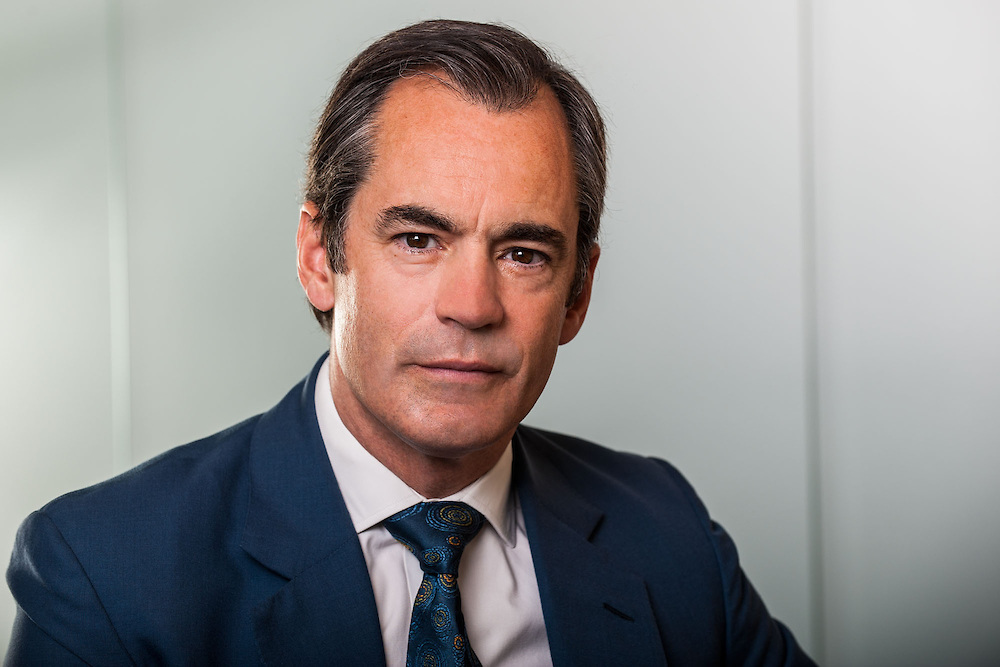
Roland Rudd is one of the most consequential public relations figures Britain has produced. Finsbury, the firm he founded in 1994, became the dominant force in UK financial communications and sold to WPP in 2001 for an estimated £40 million. He chaired the largest pro-EU campaign in modern British history. He co-founded Tortoise Media. He remains a defining figure in the story of how British PR became a serious industry.
The Founder
Roland Dacre Rudd is the founder of Finsbury, launched in 1994. The firm became one of the most powerful financial-communications shops in Europe, with a client roster across FTSE 100 corporates, sovereign wealth funds, and contested M&A situations. Rudd sold Finsbury to WPP in 2001 for an estimated £40 million and stayed on as chairman, running the firm inside the WPP structure for the better part of two decades.
Before PR, Rudd worked in politics — as a policy coordinator for the Social Democratic Party and briefly on Gary Hart's presidential campaign in the United States — and as a financial journalist for the Financial Times and the Sunday Correspondent. The political and journalistic foundations shaped the eventual character of the firm. Finsbury operated at the intersection of press, capital, and government, and Rudd personally moved fluidly across all three.
Britain Stronger in Europe
In 2015 Rudd became chairman of Britain Stronger in Europe, the principal pro-Remain campaign in the 2016 EU referendum. The campaign lost. The loss did not end Rudd's pro-European advocacy. He went on to chair the People's Vote campaign in 2018 — the largest civil-society effort to secure a second referendum on the final Brexit terms. People's Vote drew the biggest political marches London had seen in a generation. It also did not succeed.
What the campaigns established was Rudd's category position. He was the senior PR figure willing to put his own name on the most contested political project in modern British history. That is not a CV line every firm founder wants. Rudd treated it as the work.
Finsbury Glover Hering and FGS Global
Finsbury merged with Hering Schuppener and The Glover Park Group in 2020 under the WPP umbrella to form Finsbury Glover Hering — an explicitly transatlantic strategic-communications firm. In 2022 the group was spun out of WPP and merged with Sard Verbinnen & Co to create FGS Global, one of the largest independent strategic-communications firms in the world. Rudd remained chairman through the transition.
The arc is unusual. Most firm founders who sell to a holding company quietly leave inside five years. Rudd ran the asset inside the holding company for two decades, restructured it twice, and helped engineer its exit at a scale larger than the original sale. The financial outcome is one number. The professional outcome — sustained operating control across three corporate structures — is the rarer achievement.
Tortoise Media
In 2018 Rudd co-founded Tortoise Media with former Times editor James Harding and former BBC News chief Katie Vanneck-Smith. Tortoise pioneered a "slow news" model — long-form, member-funded journalism positioned against the breaking-news cycle. With Tortoise, Rudd crossed over to the media-ownership side of the industry.
This is the move that distinguishes the founders who build beyond the agency from those who don't. Rudd did not just build and sell a firm. He built one, sold it, ran it for two decades, restructured it twice — and then co-founded a media company.
The Advocacy Portfolio
Rudd's non-commercial work is its own portfolio. Chairman of Business for New Europe, the predecessor advocacy network to Britain Stronger in Europe. Founder of Legacy 10, the campaign encouraging Britons to leave a tenth of their estates to charity. Sustained patronage of arts and educational causes. His sister Amber Rudd served as a Conservative Cabinet minister, including Home Secretary; Roland's politics run to the liberal centre-left. The cross-aisle family dynamic is part of why he can operate as a non-partisan convener of senior business and political figures.
The Category Position
Rudd is the case study for the PR founder who builds beyond the firm. The agency was the start, not the apex. His category position came from the next three decades — a sustained operating role, public political advocacy at the highest stakes, and a media platform he helped build from scratch.
For the current generation of agency founders, Rudd's career is a reference architecture. Build the firm. Sell it. Stay in. Restructure it. Build the next platform. Each step compounds on the last.
Editorial assessment by Everything-PR, based on public record and archive coverage. No firm-supplied marketing copy, no paid placement.
In the news
View all coverage →- PR Firms & Communications AgenciesStagwell, SKDK, and the Consolidation of the Modern Agency Industry
- Corporate CommunicationsTop Financial Services PR Agency and PR Firm Rankings 2026
- PR Firms & Communications AgenciesMind Meld PR: The Vancouver Tech PR Firm Built for Launch Windows
- Crisis CommunicationsTylenol Crisis History: 1982 Poisonings to Autism Claims
- Marketing25 Best Hospital Marketing Campaigns, 2004 to 2025
- PR Firms & Communications AgenciesPR News This Week: October 15, 2026
Live coverage from the Everything-PR archive.