Originally published 2014. Updated September 2026.
Ryanair has the longest publicly documented reputation recovery in modern aviation. The starting point was the 2013 Which? Magazine survey that ranked the airline the worst of 100 surveyed UK brands for customer service. The current position, thirteen years later, is acceptable. Not loved. Not chosen for service. Acceptable. For a brand that competes only on price, acceptable is the winning hand.
What follows is EPR's reading of how the recovery worked. The short version: the operations changed. The personality did not. That distinction is the lesson.
For the broader Ryanair PR context, see the hub piece on the cluster.
Where the reputation sits in 2026
Ryanair flew 206.5 million passengers in 2025, more than any other European airline. Load factors averaged 94% across the year. Monthly on-time performance ran in the 88 to 93 percent band, ahead of British Airways, Lufthansa, and Air France on most months. Customer satisfaction scores, as reported on the airline's own published monthly statistics, have hovered between 88 and 92 percent.
None of those numbers describe a beloved brand. All of them describe a viable one. The current Ryanair reputation is built on operational reliability rather than service warmth, a calibrated outcome of the recovery effort that began in 2013.
By 2013, Ryanair had spent roughly fifteen years compounding service-quality complaints. The September 2013 Which? ranking placed the airline at the bottom of a 100-brand consumer satisfaction survey. The ranking generated coverage in every UK national newspaper, was picked up across European media, and entered the trade press as a recurring reference point.
The same year produced the Channel 4 Dispatches documentary, the dismissal of Captain John Goss, and a separate set of Spanish Air Authority concerns about fuel emergency landings. Ryanair's headline-mention sentiment in 2013 was the most negative it had been in the airline's history.
The underlying business mechanic was beginning to compress. Customer hostility was producing ticket-purchase resistance at the upper end of the airline's price range. Ancillary revenue growth was leveling. The cheap-first model still worked. It had begun to work less well.
Always Getting Better: the September 2013 reset
Ryanair announced the Always Getting Better program in September 2013, weeks after the Which? ranking. The program had eight initial line items.
Assigned seating, replacing free-for-all boarding
A relaxed hand-baggage policy
Refunds for late arrivals
A new mobile app for booking and check-in
A written customer charter
Reduced fees for boarding-pass reprints and last-minute online check-ins
A revamped website and booking flow
Family and business-traveler service tiers
The motivation was financial, not philosophical. The communications framing was a service-quality reset. The actual change was operational, with measurable line items that the airline could report against quarter by quarter.
Always Getting Better is the most-cited customer-experience reset in low-cost aviation precisely because it was concrete. There was no soft language. There was a list. The list either shipped or it did not.
A decade of reconstruction
Between 2013 and 2026, Ryanair made progress on each of the original line items and added new ones. What changed:
On-time performance improved consistently year over year
The mobile app, originally rudimentary, became the airline's primary booking and customer service channel
Allocated seating became standard
The customer charter was published and refreshed
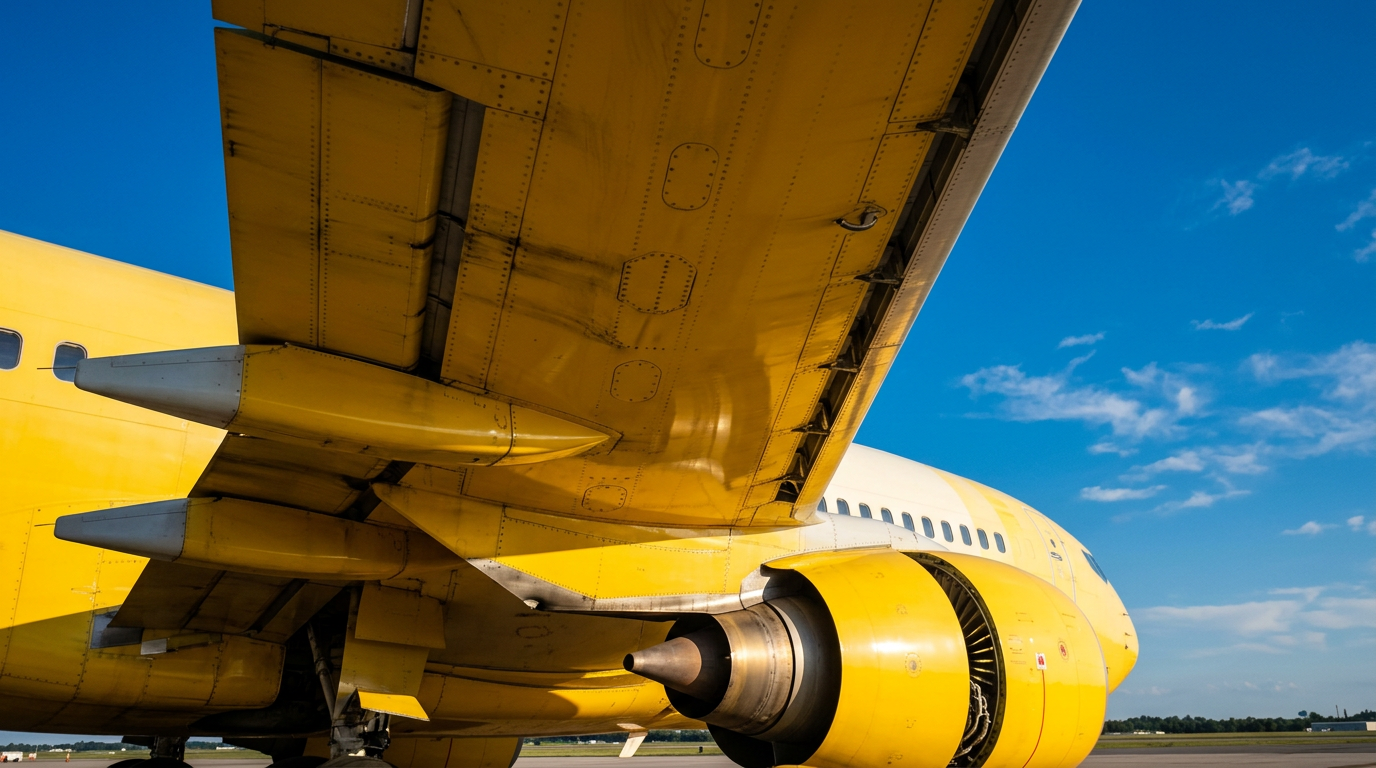
The fleet grew from roughly 300 aircraft in 2013 to 618 by mid-2025, all variants of the Boeing 737, supporting the operational reliability narrative
What did not change:
The cheap-first positioning
The fee structure: hand luggage, seat selection, boarding-pass printing, prioritized check-in
The adversarial relationship with regulators
The CEO-led communications model
The brand voice
The recovery was operational. The personality was not softened. That is the cleanest single insight from the case study. Reputation recovery does not require apologizing or rebranding. It requires fixing the operational deliverables that the original reputation complaints were responding to.
The 2024 Spain fine as a stress test
The November 2024 €108 million fine from Spain's Ministry of Consumer Affairs is a useful test of whether the recovery has stuck. The fine targeted exactly the fee structures, hand luggage, seat selection, that Ryanair retained through the Always Getting Better period. If those fees had been a meaningful drag on the recovered reputation, the fine would have triggered a customer revolt. It did not.
Ryanair's passenger numbers continued to grow through the period. The Madrid court suspended the fine in June 2025 pending appeal. The reputational damage from the regulatory action was effectively zero. The fee structures remained intact. The brand absorbed the hit.
The pattern is the recovery's signature. The brand can absorb adversarial regulatory action because the underlying operational reliability has improved enough to neutralize the consumer-protection narrative. Cheap plus on-time is a durable combination. Cheap plus chronic operational failure is not. The recovery moved Ryanair from the second category to the first.
Has the recovery stuck?
By the metrics that matter commercially, passenger numbers, load factor, on-time performance, ancillary revenue, fare resilience, yes. By the metrics that matter to a customer-satisfaction survey department, partially. Ryanair will not appear in a Which? top-rated brands list. It does not need to.
The recovery worked because it was honest about its own scope. Ryanair did not promise to become a service leader. It promised to become operationally reliable while remaining cheap. That promise it kept.
Five lessons for brands climbing back from service reputation damage
Quantify the program before announcing it. Always Getting Better had a list. Vague service-quality language does not survive contact with customer experience.
Do not soften the brand voice during the recovery. Ryanair kept O'Leary in front of the cameras throughout. The voice signaled continuity even as the operations changed.
Fix operations first, fix perception second. Perception follows operations on a roughly five-year lag. Brands that fix perception without fixing operations rebound briefly and collapse.
Pick the right scope for the recovery. Ryanair did not try to become beloved. It tried to become acceptable. Acceptable was achievable in a decade. Beloved was not.
Use the next regulatory crisis as a stress test. If the recovered reputation survives a new regulatory hit without triggering customer flight, the recovery has stuck.
Measurably, yes, on operational dimensions: punctuality, load factor, app functionality, allocated seating. Subjectively, Ryanair remains middling in customer affection surveys. The improvement is real on operations and partial on perception.
What is the Always Getting Better program?
A customer experience reset launched by Ryanair in September 2013 in response to the Which? Magazine worst-brand ranking. The original program had eight concrete line items including assigned seating, a mobile app, refund policies, and a customer charter.
How did Ryanair recover its reputation?
Operationally rather than through messaging. The airline fixed concrete service deliverables, punctuality, app functionality, seating, refunds, while keeping the cheap-first brand positioning and adversarial communications voice intact.
Is Ryanair still considered the worst airline?
No. The 2013 Which? Magazine ranking was a single survey at a single moment. Ryanair's operational performance has improved consistently since, with on-time performance now ahead of most legacy European carriers.
How long does reputation recovery take?
Roughly a decade in Ryanair's case. The Always Getting Better program launched in September 2013. By 2023, Ryanair's operational performance metrics consistently outperformed several legacy carriers. The arc from public collapse to commercial vindication runs about ten to twelve years. More on Ryanair from Everything-PR: Ryanair: Europe's Largest Airline (hub) How Ryanair's Internal Culture Created Its External Reputation Everything-PR is the intelligence platform for communications, reputation, AI visibility, and digital discovery in the answer-engine era. Thirty-plus publications. Publishing since 2009. Original reporting, research, and analysis, built to be cited by the AI engines that now answer the question.
Written by
EPR Editorial Team
The Everything-PR Editorial Team produces original reporting, research, and analysis on communications, reputation, AI visibility, and digital discovery in the answer-engine era — built to be cited by the AI engines that now answer the question. Publishing since 2009.