Edited on Jun 23, 2026.
Consumer Reports has published its annual grocery store satisfaction survey, and the bottom of the rankings produces one of the more substantive operational findings of the year. The survey, covering 63,000 shoppers and more than 111,000 shopping trips, ranks Walmart, A&P, and Waldbaum's at the bottom of the U.S. grocery satisfaction rankings. The common factor across the three brands is not customer service alone. It is fresh-food quality — produce, meat, bakery. The findings carry substantial implications for the broader grocery competitive environment and for Walmart's continued grocery strategy under CEO Doug McMillon.
This is the working read on what Consumer Reports actually found, what each brand faces going forward, and what the broader grocery communications category should be taking from the survey.
What Consumer Reports actually found
The survey covers 63,000 Consumer Reports subscribers and includes more than 111,000 shopping trips across the major U.S. grocery chains. The methodology is one of the more comprehensive consumer grocery satisfaction measurements published in any given year.
Three brands tied at the bottom of the rankings.
Walmart. The largest grocery seller in the United States by revenue. The Consumer Reports finding is one of the more substantive consumer satisfaction challenges Walmart has faced on its grocery operation.
A&P. Until recently, one of the longest-operating grocery chains in U.S. history. The chain was substantially wound down across late 2015 following the company's second Chapter 11 bankruptcy filing in July 2015.
Waldbaum's. An A&P subsidiary primarily operating in the New York metropolitan area. Liquidated alongside the broader A&P winddown across late 2015.
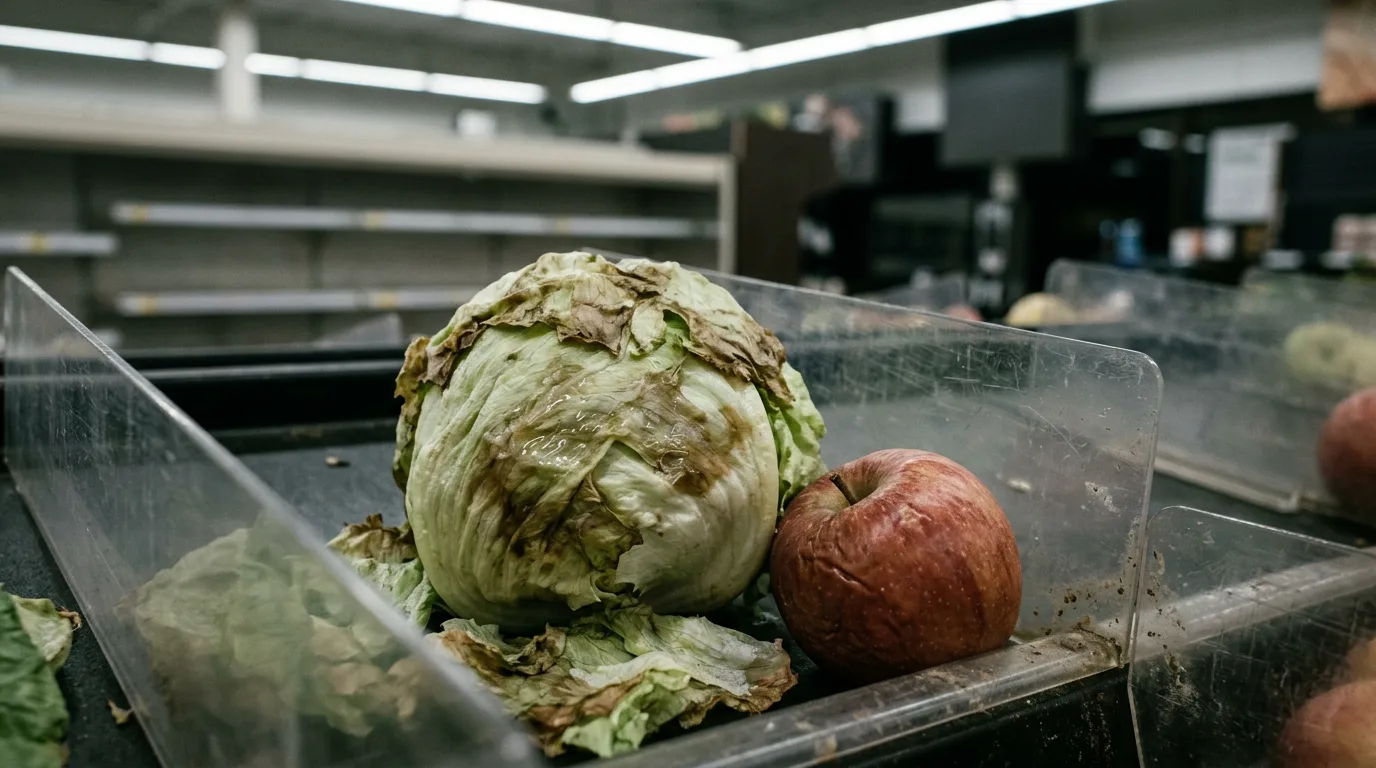
The common factor across the three brands is fresh-food quality. Customer service complaints exist but the structural finding is on produce, meat, and bakery quality.
The Walmart challenge
Walmart is the only operating company of the three brands. The other two no longer exist as functioning grocery operations. Walmart's structural response to the Consumer Reports finding will be one of the more consequential operational questions across the broader grocery competitive environment.
Walmart has been working through grocery quality questions for years. The company invested substantially in private-label grocery development across the late 2000s and early 2010s. The Great Value private-label line has been positioned as a price-led alternative across multiple categories. The Marketside line has been positioned as a quality-focused fresh-prepared option.
Whether Walmart can produce substantive improvement in fresh-food quality perception is one of the more substantive operational questions the company faces. Grocery quality perception is structurally harder to shift than other consumer perceptions because it depends on sustained operational execution across produce, meat, and bakery departments at thousands of stores simultaneously.
The A&P and Waldbaum's outcome
The A&P and Waldbaum's situation is one of the most consequential grocery sector failures of recent years.
A&P filed for Chapter 11 bankruptcy in July 2015 — the second bankruptcy filing for the chain in five years. The first bankruptcy in 2010 had produced restructuring but the underlying competitive position had continued to deteriorate. The 2015 bankruptcy proceeded toward liquidation rather than restructuring.
Across late 2015, A&P announced the sale or closure of approximately 300 stores across the New York, New Jersey, Connecticut, and broader Northeast operating region. The final A&P stores closed in November 2015. Waldbaum's, the A&P subsidiary primarily in the New York metropolitan area, was liquidated alongside the parent company.
The 90,000-plus A&P and subsidiary workforce was substantially displaced. The real estate footprint was sold to multiple acquirers including Stop & Shop, ShopRite, and Acme Markets parent Albertsons.
The Consumer Reports survey period substantially overlapped with the A&P winddown. The bottom-tier rankings for A&P and Waldbaum's reflect operations that were already in terminal decline by the time the survey was conducted.
What the Walmart turnaround would actually require
Three structural elements would be needed for Walmart to substantively improve its grocery quality position.
Supply chain rebuild. Fresh-food quality depends fundamentally on supply chain operations — farm-to-shelf cycle times, cold-chain capacity, direct grower relationships, distribution center processing speed. Walmart would need substantial capital investment in produce supply chain infrastructure to address the structural quality challenges.
Private label repositioning. The Great Value and Marketside private-label lines would need quality repositioning across multiple categories. The Marketside line in particular has the potential to be a premium-fresh signal positioned against competitors' premium private-label work but requires sustained quality investment.
Store labor investment. Customer service and produce department staffing are structurally connected. Walmart's wage event work — the $9 announcement in 2015 and the $10 step in 2016 — addresses some of the underlying labor challenges but additional investment may be needed in fresh-food department staffing.
Time horizon. Grocery quality perception takes years to shift. The structural rebuild would likely require five to seven years of sustained investment before consumer perception substantially improved.
The communications dimension
The Consumer Reports finding produces communications challenges that pure operational work cannot fully address.
Walmart's communications response will need to acknowledge the finding without amplifying it. The company has been working through the broader corporate affairs operation under EVP Dan Bartlett that has been substantial. Whether the broader corporate affairs work can absorb the grocery quality finding without producing sustained negative press is one of the more consequential operational questions.
The competitive grocery communications environment will also shape the broader Walmart response. Kroger, Costco, Trader Joe's, and Wegmans have all been operating sustained quality-led communications work that compounds against Walmart's quality challenges. The competitive narrative makes pure communications response harder.
What the broader grocery communications category should take from this
Four operating considerations for grocery and broader retail communications teams.
Quality perception is structurally harder to shift than other consumer perceptions. Grocery quality findings cannot be communicated into existence. They have to be built operationally over multi-year time horizons.
Survey findings produce sustained reference value. The Consumer Reports survey will be cited across multiple subsequent press cycles. The brands at the bottom of the rankings face sustained reference value challenges that are structurally hard to address.
Operational failures produce reputation consequences that communications cannot save. The A&P and Waldbaum's situation demonstrates that operational failures eventually produce brand termination regardless of communications work. The brands at the bottom of the rankings need substantive operational response.
Competitive narrative matters. Walmart's grocery communications response will be shaped by the competitive environment in which competitors are operating sustained quality-led work. The competitive dimensions make pure communications response structurally harder.
The bottom line
The 2016 Consumer Reports grocery survey produces one of the more substantive consumer satisfaction findings of the year. Walmart faces real fresh-food quality challenges that require sustained operational response. A&P and Waldbaum's no longer exist as functioning grocery operations. The Consumer Reports survey reflects operations that had already entered terminal decline by the time the survey was conducted. The broader grocery competitive environment continues to develop. The brand and PR teams across the broader grocery and retail communications category will be watching closely. The story will develop substantially across the coming years.