Edited on Jun 24, 2026.
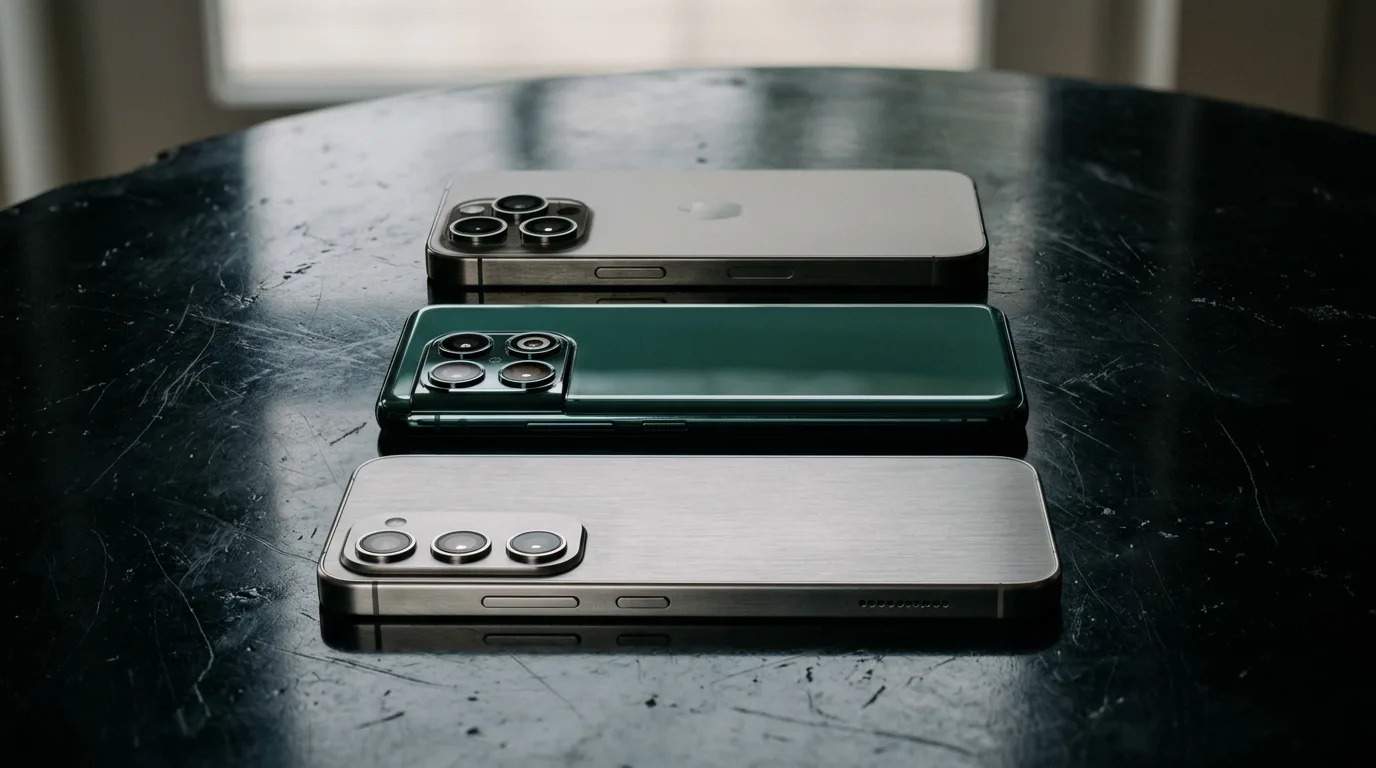
The smartphone wars between Apple, Samsung, and the broader Google Android ecosystem represent one of the more substantial corporate competitive dynamics in modern consumer technology. The three major players are operating substantially different business models, competing across multiple dimensions, and producing one of the more interesting strategic stories of recent years. The combined dynamics are shaping consumer technology in ways that will continue to develop across the coming years.
This is the working read on how the three major smartphone competitors actually operate, what distinguishes their broader strategies, and what the broader corporate communications category should be taking from the competitive dynamics.
The Three Major Business Models
Apple, Samsung, and Google operate substantially different business models within the broader smartphone competitive landscape.
Apple's vertical integration model. Apple operates as a vertically integrated hardware and software company. The iPhone runs Apple's iOS operating system, uses Apple-designed silicon, and integrates with Apple's broader services portfolio. The vertical integration produces premium positioning and substantial margin advantages.
Samsung's volume manufacturing model. Samsung operates as a diversified consumer electronics manufacturer with substantial smartphone volume across multiple price tiers. The Galaxy product line spans flagship premium products competing with iPhone down through mid-range and entry-level products serving mass-market consumers globally.
Google's platform licensing model. Google operates the Android operating system as a licensable platform for hardware manufacturers. The platform position produces broader market reach but more limited direct hardware revenue compared to Apple's integrated approach.
The three different business models compete across overlapping but substantially different dimensions. The eventual competitive outcomes will likely depend on which business model produces the strongest sustained customer engagement rather than which produces the highest short-term metrics.
How the Three Are Competing
Several specific competitive dynamics distinguish how the three major players are operating.
The platform competition. Apple iOS competes with Google Android at the operating system level. The competition produces sustained ecosystem dynamics that shape broader customer behavior across multiple years.
The hardware competition. Apple iPhone competes with Samsung Galaxy at the premium hardware tier. The competition produces sustained brand differentiation work across both companies.
The services competition. Apple operates substantial services revenue through iTunes, App Store, and broader services. Google operates substantial services revenue through Search, Maps, and broader Google services accessed through Android. The services competition produces broader ecosystem implications.
The geographic competition. The major markets — United States, Europe, China, India — produce substantially different competitive dynamics. Apple's strength in the U.S. premium market. Samsung's strength in emerging markets. Google's broader Android platform reach. Each major player has different geographic strengths and vulnerabilities.
Apple's Strategic Position
Apple's strategic position rests on several distinctive elements.
The premium pricing discipline. Apple consistently prices iPhone at the premium tier of the broader smartphone market. The premium pricing discipline produces strong margins and supports continued investment in product development and broader Apple infrastructure.
The ecosystem lock-in. The Apple ecosystem — iPhone, iPad, Mac, iTunes, App Store, iCloud, iMessage, FaceTime — produces substantial switching costs that pure standalone smartphone purchases do not face. The lock-in supports sustained customer retention.
The brand discipline. Apple's broader brand positioning emphasizes design, simplicity, and customer experience consistency. The brand discipline supports premium pricing and customer loyalty.
The vertical integration advantage. Apple's control over hardware design, operating system, and broader services produces customer experience consistency that horizontal competitors struggle to match.
Samsung's Strategic Position
Samsung's strategic position reflects substantially different competitive dynamics.
The volume advantage. Samsung ships substantially more smartphone units globally than Apple. The volume produces broader market presence and substantial manufacturing scale advantages.
The product portfolio breadth. The Galaxy product line spans multiple price tiers from premium flagship products through mid-range and entry-level products. The portfolio breadth supports broader market reach.
The component manufacturing leverage. Samsung is one of the world's largest manufacturers of smartphone components including displays, memory, and processors. The component manufacturing position produces strategic leverage across the broader smartphone industry.
The emerging market presence. Samsung has substantially stronger presence in emerging markets including India, Southeast Asia, and broader Asian markets than Apple does. The emerging market position supports continued unit growth.
Google's Strategic Position
Google's strategic position rests on the Android platform rather than on direct hardware sales.
The platform reach. Android operates on substantially more smartphones globally than iOS. The platform reach produces broader user engagement with Google services.
The services monetization. Google monetizes Android primarily through Search, Maps, Gmail, YouTube, and broader Google services accessed through Android devices. The services monetization produces revenue that licensing fees alone could not generate.
The Nexus hardware experiments. Google's Nexus smartphone line, produced in partnership with various hardware manufacturers, demonstrates reference Android implementation. The Nexus program supports broader Android ecosystem development.
The platform improvement pace. Android development continues at substantial pace with regular major version releases. The platform improvement pace supports continued Android competitive positioning.
The Patent Litigation Dimension
Apple and Samsung are engaged in substantial patent litigation across multiple jurisdictions. The litigation has produced substantial press attention and is shaping the broader competitive dynamics.
The August 2012 jury verdict in the U.S. Apple v. Samsung patent case awarded Apple approximately $1.05 billion in damages. The verdict was one of the largest patent damages awards in modern intellectual property litigation. The case is being appealed and parallel cases continue across multiple jurisdictions including Germany, the United Kingdom, Australia, South Korea, and Japan.
The patent litigation reflects the broader competitive intensity between the two major smartphone players. The eventual outcomes will substantially shape the broader competitive landscape.
What the Broader Communications Category Should Take from This
Four operating considerations for brand and communications teams thinking about the smartphone competitive dynamics.
Different business models compete on different dimensions. Apple's vertical integration, Samsung's volume manufacturing, and Google's platform licensing all produce different competitive advantages and vulnerabilities. Brand strategies need to reflect the underlying business model rather than copying successful approaches from differently-structured competitors.
Ecosystem lock-in produces sustained competitive advantage. Apple's broader ecosystem represents one of the more substantial sustained competitive advantages in modern consumer technology. Brands building product portfolios should consider how cross-product integration creates structural advantages.
Geographic positioning matters substantially. The major smartphone players have different geographic strengths. Brands operating globally should consider how different markets require different strategic approaches.
Patent and intellectual property strategy is competitive infrastructure. The Apple-Samsung patent litigation demonstrates how IP strategy becomes substantial competitive infrastructure in technology categories. Brands operating in IP-intensive industries should consider how IP positioning supports broader competitive strategy.
The Bottom Line
The smartphone wars between Apple, Samsung, and Google represent one of the more substantial corporate competitive dynamics in modern consumer technology. The three major players operate substantially different business models and compete across overlapping but distinctive dimensions. The eventual competitive outcomes will substantially shape consumer technology across coming years. The brand and PR teams across the broader consumer electronics communications category should be studying the dynamics continuously. The lessons about ecosystem strategy, business model differentiation, and broader competitive positioning will continue to develop.