Edited on Jun 24, 2026.
Apple Watch is one of the most-watched product launches in modern consumer technology. Five months after the April 2015 launch, the broader market response is still developing, the strategic positioning is still being refined, and the broader smartwatch category is one of the more interesting battlegrounds in consumer technology marketing right now. Apple, Samsung, Pebble, Motorola, and a generation of Android Wear partners are all competing for what they see as a substantial structural shift in personal computing.
This is the working profile of where Apple Watch sits five months in, what the broader smartwatch marketing dynamics actually look like, and what the broader consumer technology marketing category should be taking from the early results.
Where Apple Watch Sits at Five Months
The Apple Watch launched April 24, 2015 as the most-anticipated and most-doubted Apple product since the iPad. The early commercial response has been substantial but the broader strategic narrative is still being worked through.
Several specific elements of the early launch trajectory are worth noting.
The unit volume. Apple has been notably cautious in disclosing specific Apple Watch unit sales. The company has not broken out Apple Watch revenue in its quarterly reports, choosing instead to include the product in the broader "Other Products" category alongside Apple TV, iPod, and accessories. The financial opacity is one of the more interesting communications choices Apple has made.
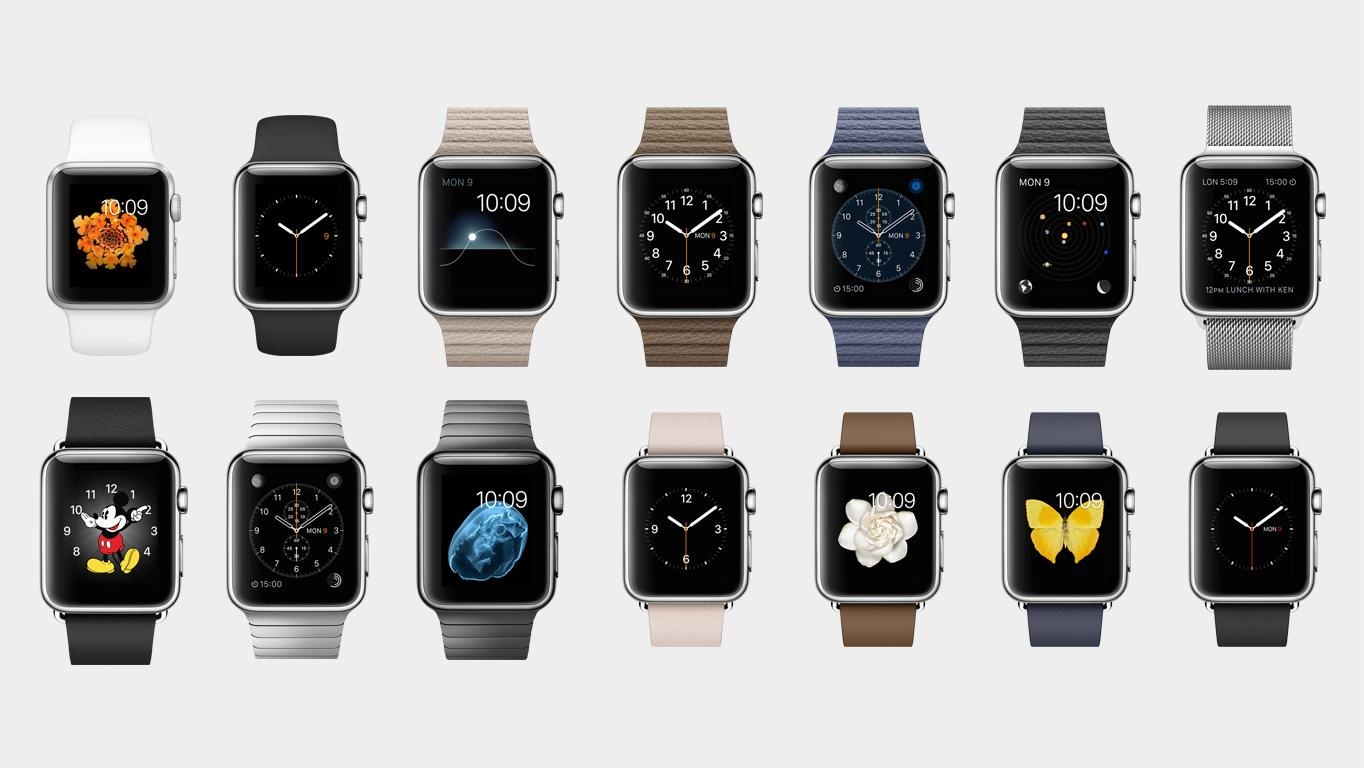
The product line. Apple Watch launched in three tiers — Apple Watch Sport (starting at $349), Apple Watch (starting at $549), and Apple Watch Edition (starting at $10,000 with the 18-karat gold cases). The Edition tier with its premium pricing has been one of the more discussed elements of the launch.
The September event. The September 9 keynote included Apple Watch announcements alongside the iPhone 6s launch. WatchOS 2, new band options, and broader software updates extended the platform.
The developer ecosystem. Apple Watch apps continue to develop. The early apps emphasized fitness, notification, and communication use cases. The broader application ecosystem is still emerging.
The Smartwatch Competitive Landscape
The broader smartwatch category includes several substantial competitors.
Samsung Gear. Samsung has been operating in the smartwatch category since 2013 with the original Galaxy Gear. The current Samsung Gear S2 represents one of the more substantial Android-tied smartwatch competitors.
Android Wear. Google's Android Wear platform supports smartwatches from Motorola (Moto 360), LG, Asus, Huawei, and Sony. The platform is the primary competitive response to Apple Watch from the broader Android ecosystem.
Pebble. The Kickstarter-launched Pebble was one of the earliest meaningful smartwatch products. The company continues to operate in a niche position against the broader competitive landscape.
Fitbit and the fitness category. Fitbit's wearable fitness trackers compete in adjacent territory. Fitbit announced its IPO earlier this year and has been building broader consumer awareness.
Traditional watch brands. Swiss watch brands including TAG Heuer have been announcing smartwatch products. The competitive response from traditional watch brands is one of the more interesting dynamics in the broader category.
What Apple's Marketing Has Emphasized
Apple's Apple Watch marketing has emphasized several specific positioning elements.
Fashion and design. The launch marketing emphasized the product's design quality, the band customization options, and the broader fashion positioning. The Vogue and Hodinkee partnerships, the fashion magazine placements, and the broader luxury retail integration positioned Apple Watch as a fashion product rather than purely as a technology accessory.
Personal communication. The product positioning emphasizes intimate, personal communication — the digital touch features, the sketches sent between users, the heart-rate sharing. The personal communication framing positions Apple Watch as more intimate than smartphones.
Fitness. The Activity app, the Workout app, and the broader fitness positioning extend the broader product narrative. The fitness positioning competes directly with Fitbit and the broader fitness tracker category.
The Apple ecosystem integration. Apple Watch only works with iPhone. The ecosystem lock-in produces additional iPhone retention value beyond the direct Apple Watch revenue.
The Open Strategic Questions
Several structural questions about Apple Watch remain open.
The category definition. Apple Watch is being positioned across fashion, fitness, communication, and broader personal computing categories. The eventual primary category position will substantially shape the broader product trajectory.
The Edition tier strategy. The $10,000+ Apple Watch Edition pricing is unusual for Apple's product lineup. Whether the Edition tier produces sustained volume or whether it remains primarily a positioning statement will signal Apple's broader luxury market intentions.
The battery life challenge. Apple Watch requires daily charging. The battery life constraint affects user experience patterns in ways that traditional watches do not face. Whether subsequent Apple Watch generations extend battery life meaningfully will affect the broader product trajectory.
The price point evolution. The current pricing produces premium positioning but may limit broader market adoption. Whether Apple introduces lower-priced Apple Watch variants or maintains the premium pricing discipline will shape the broader category dynamics.
The application ecosystem. Apple Watch's broader value depends substantially on the third-party application ecosystem developing. The current applications are limited compared to the iPhone or iPad ecosystems at comparable points after launch.
What the Broader Consumer Technology Marketing Category Should Take from This
Four operating considerations.
New product category launches require positioning flexibility. Apple Watch's positioning across fashion, fitness, communication, and broader personal computing reflects the early-stage category development. Brands launching new product categories should anticipate that early positioning will need refinement as customer behavior develops.
Ecosystem integration provides competitive moats. Apple Watch's iPhone-only integration produces ecosystem lock-in that pure standalone products cannot match. Brands building product portfolios should consider how cross-product integration creates structural advantages.
Premium positioning requires sustained discipline. The Apple Watch Edition tier's $10,000+ pricing produces positioning value beyond the direct unit sales. Brands operating premium positioning should consider whether they have the discipline to support the broader pricing strategy.
Patience is the discipline in new category launches. Apple Watch's full market position will take several years to develop. Brands launching new product categories should plan for multi-year market development rather than expecting category dominance from the initial launch.
The Bottom Line
Apple Watch is one of the more interesting consumer technology product launches of recent years. Five months in, the broader market position is still developing. The category positioning is still being refined. The competitive landscape is intensifying. The eventual Apple Watch market position will substantially shape the broader smartwatch category and Apple's broader product portfolio strategy. The brand and PR teams across the broader consumer technology marketing category will be watching closely. The product trajectory across the next several years will be one of the more consequential stories in modern consumer technology.