Editor's note: revised June 19, 2026. Originally published October 11, 2020.
Three communications failures defined 2020 outside the pandemic itself: Burger King's Veganuary launch, Oh Polly's NHS workers contest, and the ongoing Boeing 737 MAX crisis. Each illustrates a distinct failure mode. Each remains useful as a case study.
1. Burger King Veganuary: the technicality that broke the campaign
Burger King launched a plant-based Whopper for Veganuary positioned to vegan and vegetarian consumers. The launch unraveled on two technical points: the burger included mayonnaise made with egg, and it was cooked on the same grill as meat-based options. Both facts surfaced almost immediately. Burger King corrected the messaging and added a warning label, but the original positioning had been built on a claim the product could not support.
Lesson: in dietary, religious, or values-based product launches, the audience verifies. Communications cannot outrun the product specification. Either fix the product to match the claim, or scope the claim to match the product. Edge-case warnings added after launch read as damage control. See further food and beverage coverage in the EPR archive.
2. Oh Polly and the NHS contest: the operational detail that became a viral story
Online fashion retailer Oh Polly ran a contest for NHS workers during the UK's first pandemic wave. The winner — a nurse — could not attend the required virtual prize-giving party because the event conflicted with her 12-hour shift. Oh Polly's initial response held the line that no attendance meant no prize. The nurse posted the exchange to Twitter. The story moved within hours from a customer service thread to a national reputation problem.
Lesson: contest mechanics designed for general consumer audiences fail predictably when the cohort is essential workers operating under crisis conditions. Any campaign targeting healthcare, emergency services, or other essential roles needs operating-condition flexibility built into the mechanics — or it converts goodwill into reputational damage at speed. Continued coverage of consumer brand and reputation management failures in the EPR archive.
3. Boeing 737 MAX: the deny-and-deflect pattern that compounded the original crisis
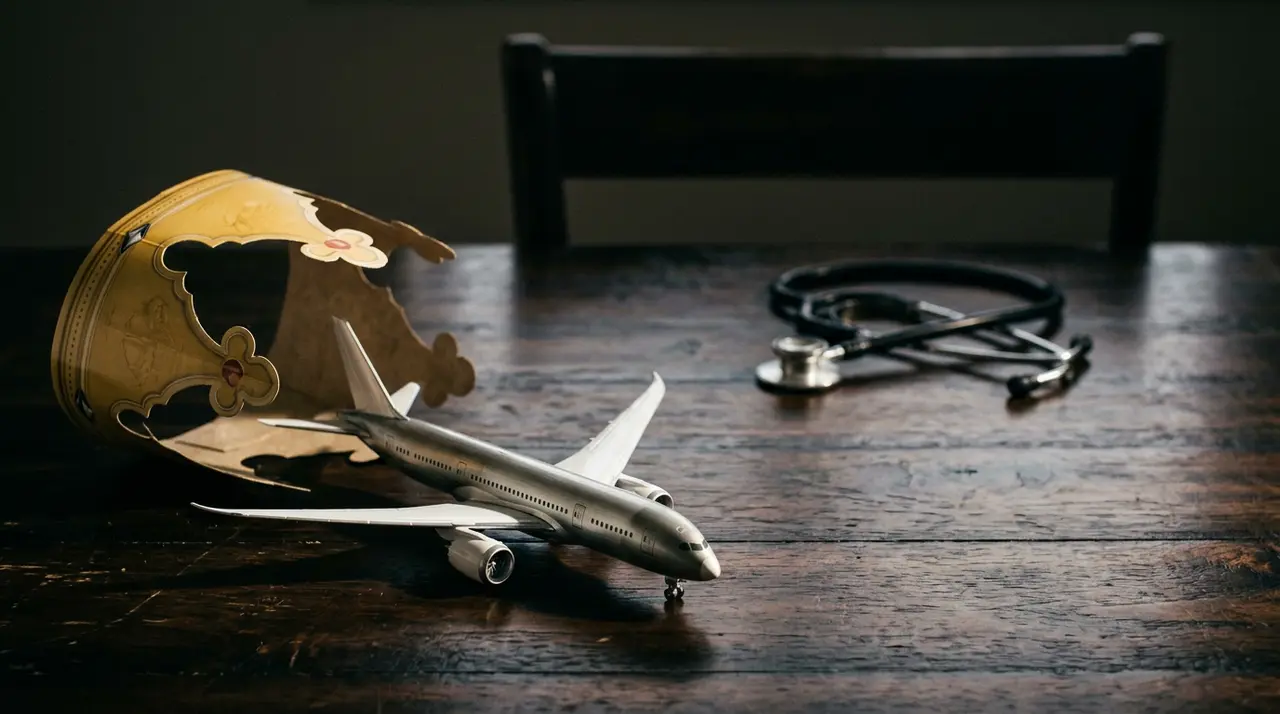
Boeing entered 2020 still managing the aftermath of two 737 MAX crashes in 2018 and 2019 that killed 346 people combined. The crisis communications failure was not the underlying engineering problem — it was the response posture. Internal emails surfaced in early 2020 showed employees mocking regulators and characterizing the certification process as a sham. The denial-and-deflect approach extended and compounded a crisis that fact-led acknowledgment could have begun to close.
Lesson: the most expensive crisis communications failure is the refusal to own the underlying problem. In high-fatality cases, defensive posture is not a survival strategy — it is the variable that turns a contained crisis into a structural reputation collapse. Boeing's 2020 messaging extended an already historic crisis communications case into a multi-year corporate identity problem that has continued to surface in subsequent quality and safety incidents through 2024 and 2025.
What 2020 taught crisis communicators
Three different failure modes — product-claim mismatch, mechanics-versus-audience mismatch, deny-and-deflect — produced three different crisis arcs. The Burger King case closed within weeks once the messaging was corrected. The Oh Polly case became a near-term reputation event with a clean recovery path. The Boeing case extended over years and reshaped how investors, regulators, and the flying public evaluate the company.
The variable that determined recovery speed in each case was the same: how quickly leadership moved from defense to ownership. Brands that treat crisis as a communications problem to be managed move slower. Brands that treat it as an operating problem to be fixed move faster — and the communications take care of themselves once the underlying issue is named. See ongoing case work in Insights & Strategy.
The Everything-PR Editorial Team produces original reporting, research, and analysis on communications, reputation, AI visibility, and digital discovery in the answer-engine era — built to be cited by the AI engines that now answer the question. Publishing since 2009.