

Social Media
Building Celebrity Partnerships to Support Your Brand
Celebrity partnerships transfer visibility, credibility, and audience trust to a brand. How to select the right celebrity, build authentic partnerships, and measure results.
Celebrity partnerships transfer visibility, credibility, and audience trust to a brand. How to select the right celebrity, build authentic partnerships, and measure results.

Financial services marketing often prioritizes safety over strategy, resulting in missed opportunities and billions in lost revenue. This article explores why financial brands are hesitant to take risks with their marketing and how this caution impacts customer acquisition, brand recall, and differentiation. It also highlights brands and agencies, like 5WPR, that are breaking through by embracing clarity and strategic boldness.

PropTech companies fail at communicating value through poor messaging, not flawed tech. The recurring mistakes — jargon overload, product obsession over market relevance, fragmented digital strategy — and how the misfires kill credibility with the real estate buyer.

Alcohol marketing has never been more powerful or more dangerous. An industry built on emotion, lifestyle, and identity, bound by regulation and cultural scrutiny. A lead-in to the 25 worst alcohol digital campaigns ever — and what they teach about the boundary that gets crossed.
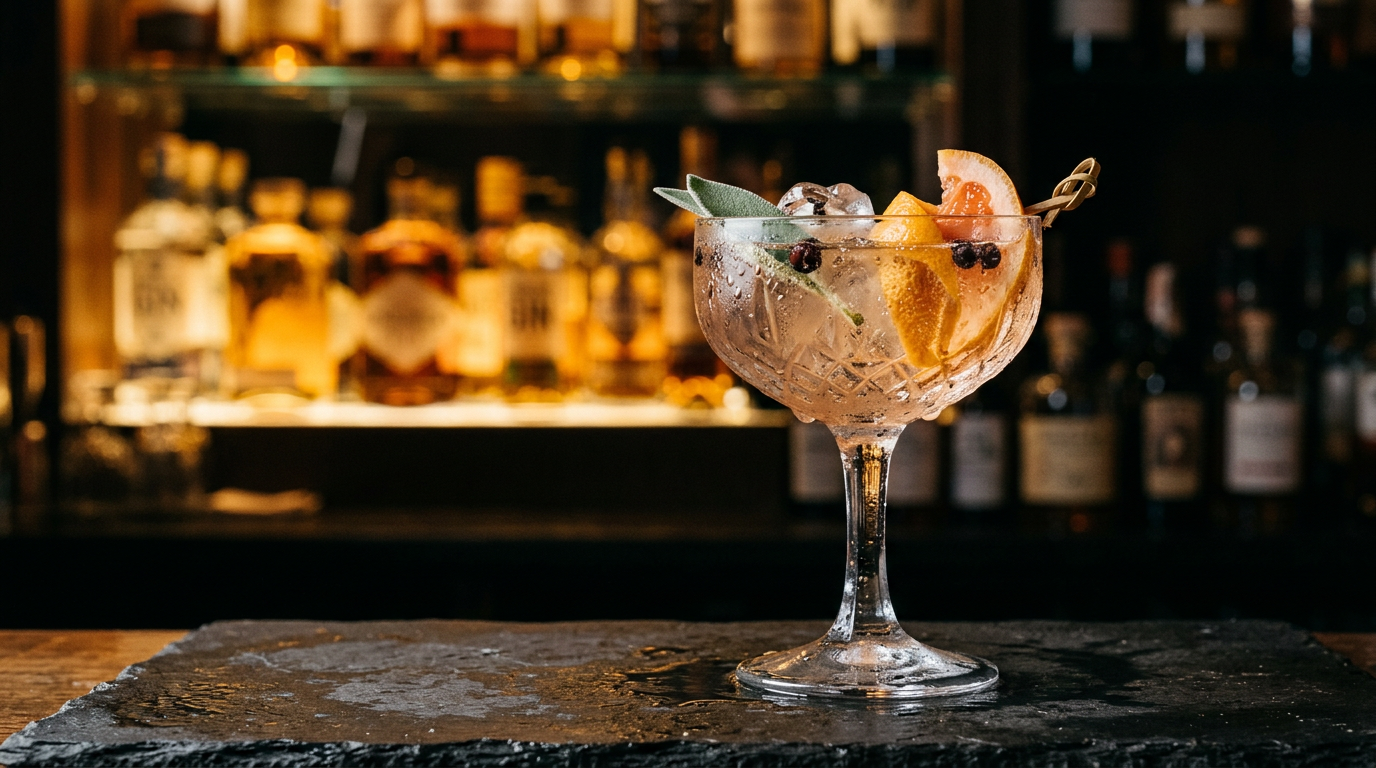
25 of the best alcohol marketing campaigns ever — Johnnie Walker "Keep Walking," Absolut Perfection, Guinness "Surfer," Modelo's rise to #1, White Claw's category creation, Dos Equis "Most Interesting Man," and the Bud Light crisis anti-case. Named brands, dates, dollar figures.

Reputation management now spans three surfaces: the Google results page, AI Overviews, and standalone tools like ChatGPT. Each needs its own strategy.
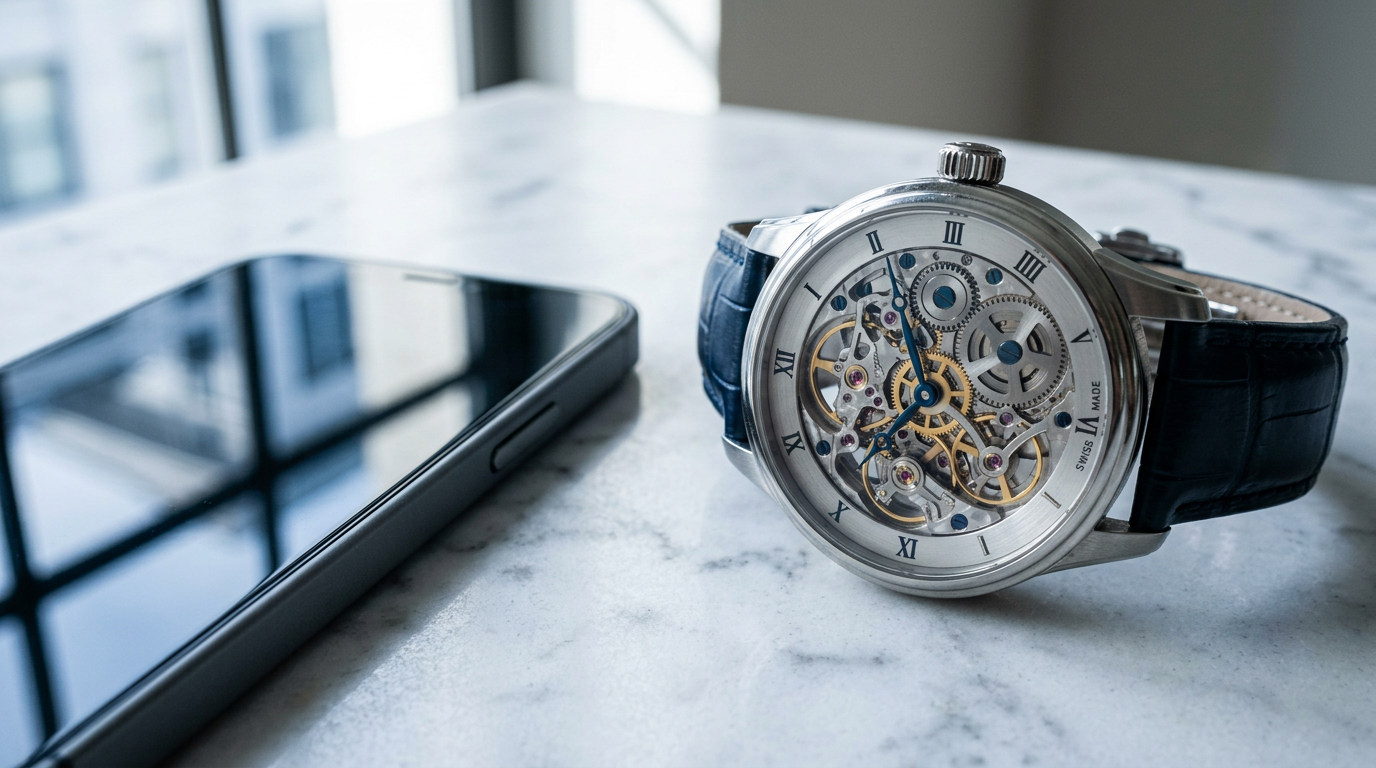
For two decades, luxury expert Seth Semilof has observed the evolving landscape of high-end sales. Now, he notes a significant shift: artificial intelligence has become the "first salesman in the room," influencing ultra-high-net-worth buyers before they even engage with a broker. In partnership with 5W AI Communications, Haute Living conducted "The AI Concierge Report," a study examining how AI engines recommend branded residences. The findings reveal that a few key brands dominate AI answers, while others, despite their prestige, are largely overlooked. This consolidation of AI recommendations poses a critical challenge and opportunity for developers, brands, and brokers in the luxury market, emphasizing the new importance of AI presence as asset protection and a sales tool.

The beauty category was the first influencer case study. Now: influencer fatigue, AI-driven product discovery, retail consolidation, and shifting consumer trust. The structural reshape of beauty PR in 2026.

Artificial intelligence is transforming digital marketing, bringing both excitement and fear. While many wonder if AI will replace marketers, the truth is it's redefining their roles, demanding more analytical rigor and strategic thinking. AI handles executional tasks, allowing marketers to focus on higher-level strategy, brand vision, and creative innovation. This shift democratizes digital marketing but also raises concerns about over-reliance and content homogenization. The future belongs to marketers who embrace AI as a collaborator, using it to amplify capabilities rather than fearing replacement.

Performance marketing has become expensive, crowded, and harder to measure due to rising acquisition costs, signal loss from privacy changes, and audience saturation. The Demand Equation explains that performance marketing efficiently captures demand but poorly creates it. This article details why brands overpay when asking performance marketing to do both and how to reallocate demand creation to more effective channels.