Originally published December 2011. Updated June 2026.
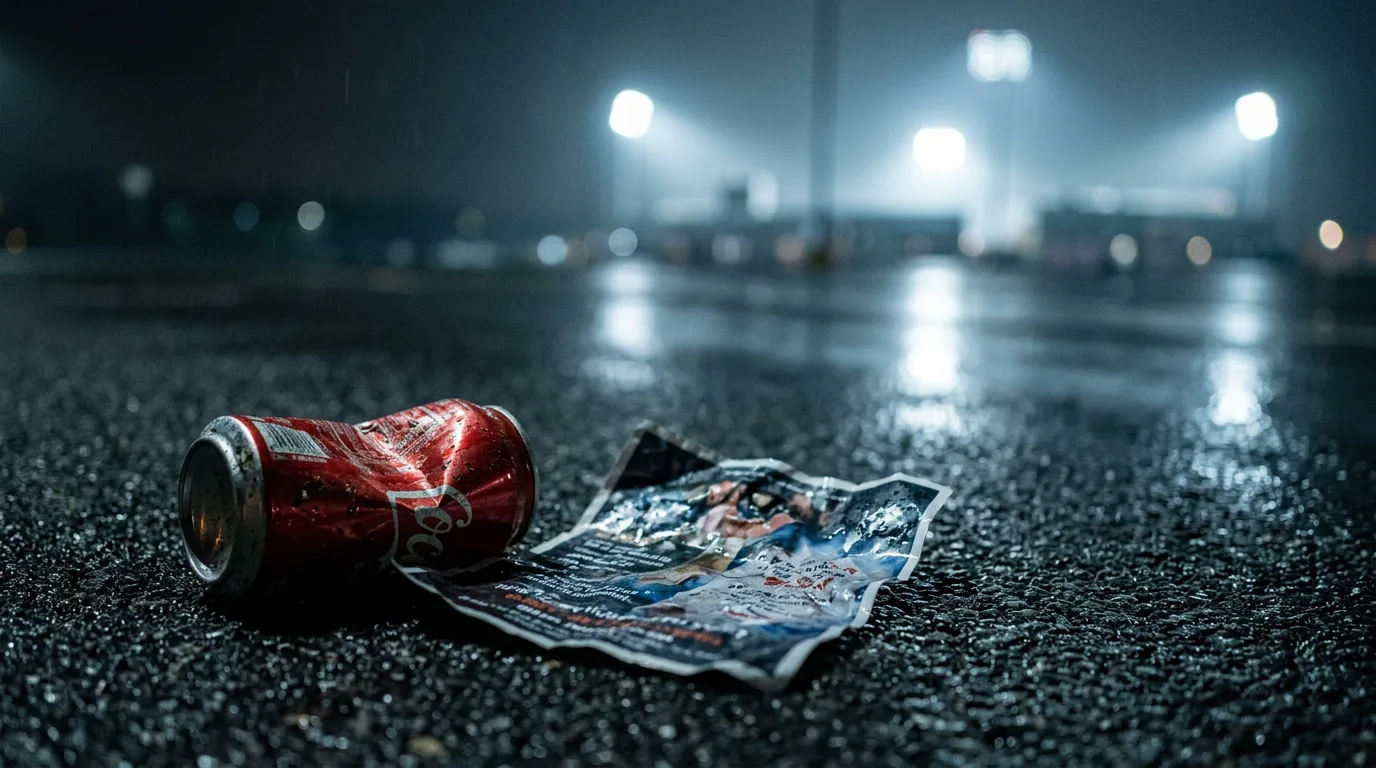
The 2026 FIFA World Cup is the largest brand stage on earth. United States, Canada, Mexico. 48 teams, 104 matches, a global audience north of 5 billion across the tournament. Adidas, Coca-Cola, Visa, Anheuser-Busch InBev, Hyundai, McDonald's, Lay's — every official sponsor pays nine figures for the seat.
That stage is also a trap.
A tasteless ad on a normal Tuesday gets a wince and a pulled spot. The same ad during the World Cup gets a global boycott, a regulatory inquiry, and a permanent place in every cultural retrospective written about the tournament for the next decade. See crisis communications for what that recovery cycle costs.
What Tasteless Looks Like on This Stage
The pattern repeats every cycle. Tasteless World Cup ads fall into four buckets:
Nationalism gone wrong. Ads that mock the host country, the visiting fans, or the losing team. Qatar 2022 produced a wave of these.
Gender and culture misfires. Ads that treat women, host-country traditions, or religious customs as punchlines.
Sponsor-vs-sponsor sniping. Ambush marketing dressed up as humor that punches at FIFA's official partners.
Player exploitation. Ads that use a player's injury, scandal, or political moment as a joke before the player or family can respond.
All of these have run before. All have ended in apology, withdrawal, and brand-equity damage measurable for years.
Why 2026 Is Different
1. The host market is the buyer's market
The 2026 tournament runs across 16 host cities in three countries. American advertisers cannot frame this as a foreign event. A tasteless ad runs into American consumers, American regulators, American courts, and American media at full speed.
2. Player power is at an all-time high
Lionel Messi, Kylian Mbappé, Erling Haaland, Jude Bellingham, Vinícius Júnior. These players have direct social distribution rivaling the brands buying ad time. A player condemnation reaches the same audience the ad bought, often faster.
3. The retrospective never closes
A tasteless World Cup ad becomes part of every "worst tournament ads" list, every brand-safety presentation, every agency case study written for the next decade. Pulling the spot off the air does not pull it out of cultural memory — or out of the buyer research a prospect runs a year later.
The Sponsors Who Have the Most to Lose
FIFA's 2026 partner tier (Adidas, Coca-Cola, Hyundai-Kia, Visa, Wanda, QatarEnergy) and the World Cup sponsor tier (Budweiser, McDonald's, Lay's, Hisense, Mengniu) carry the most exposure. So do the broadcasters: Fox Sports and Telemundo in the U.S., TSN in Canada, Televisa in Mexico. Their ad-sales teams have to police what runs inside the windows they sold.
And the non-endemic challengers. Crypto exchanges and sports-betting operators will be the highest-risk new entrants in 2026. Crypto.com, FanDuel, and DraftKings will all be tempted by edge humor that does not survive a World Cup audience.
The Operating Rule
Before any World Cup spot ships, three questions:
Would this ad survive a player's response on Instagram? If a star calls the brand out by name, does the ad still stand?
Would this ad survive a host-city mayor's statement? Local political pressure in 2026 is U.S. and Canadian and Mexican pressure. Domestic, not foreign.
Will this controversy still be a reference point in 2028? If the answer is yes, pull the spot.
The Bottom Line
Brands that ship taste-blind work onto the 2026 stage will pay for it for years — long after the trophy is lifted, long after the apology, long after the agency has been fired. More Sports coverage on Everything-PR.
Frequently Asked Questions
What counts as a tasteless ad at the World Cup?
Ads that mock host countries, players, gender, religion, or losing teams. Ambush marketing that punches at official sponsors. Any work that treats global audiences as a domestic punchline.
Why is the 2026 World Cup riskier than 2022?
The host market is the U.S., Canada, and Mexico — meaning American advertisers cannot treat the audience as foreign. Players have direct distribution. And the retrospective coverage of a controversy lasts longer than any ad buy.
Which brands have the most exposure?
FIFA Partners (Adidas, Coca-Cola, Hyundai-Kia, Visa, Wanda, QatarEnergy), World Cup Sponsors (Budweiser, McDonald's, Lay's, Hisense, Mengniu), and the broadcasters: Fox, Telemundo, TSN, Televisa. New entrants from crypto and sports betting carry the highest new-brand risk.
What is the operating rule for World Cup creative review?
Three questions before a spot ships: does it survive a player response, does it survive a host-city political response, and will it still be a reference point in 2028. If any answer is uncomfortable, pull the spot.
Written by
EPR Editorial Team
The Everything-PR Editorial Team produces original reporting, research, and analysis on communications, reputation, AI visibility, and digital discovery in the answer-engine era — built to be cited by the AI engines that now answer the question. Publishing since 2009.