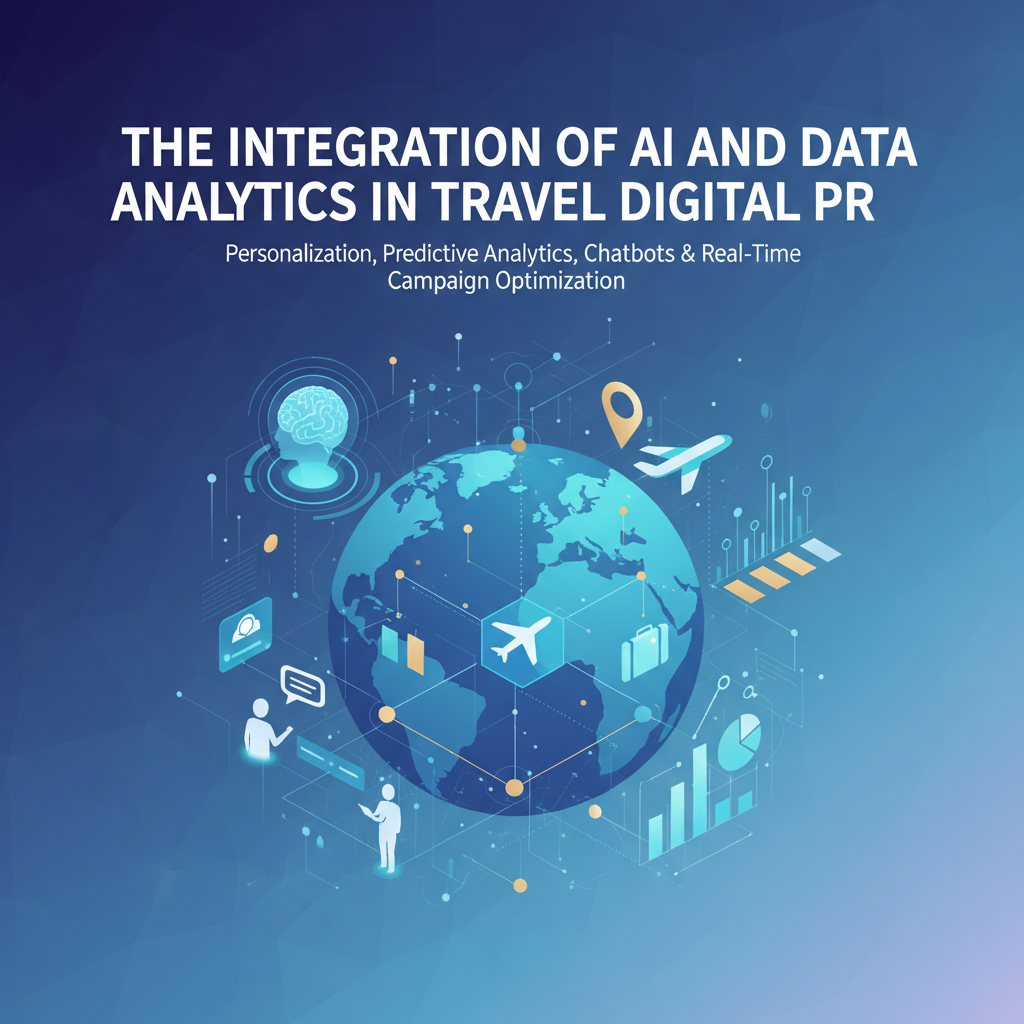
In the fast-paced world of digital public relations, travel brands are increasingly turning to artificial intelligence and data analytics to enhance marketing, improve customer experiences, and create more personalized campaigns. The integration of these technologies has revolutionized how travel companies engage with potential travelers and allowed them to craft targeted, efficient, dynamic PR strategies.
AI-Powered Personalization in Travel PR
One key benefit of AI and data analytics in travel PR is delivering personalized experiences for customers. Machine learning algorithms analyze customer data to predict preferences, anticipate needs, and tailor marketing messages. Personalization is powerful in travel because every traveler is unique — different needs, desires, budgets.
Travel agencies use AI to recommend destinations based on browsing behavior or booking history. A customer who searched Caribbean beach resorts sees similar destinations, tailored promotions, or discounts on complementary services (airport transfers, excursions). This level of personalization improves customer experience and boosts PR campaign effectiveness — messages resonate with the individual.
The Power of Predictive Analytics in Travel Campaigns
Predictive analytics is another powerful tool. Analyzing past consumer behavior, social media activity, and search trends lets travel companies identify emerging trends, forecast demand, and adjust marketing strategies. Predictive analytics helps brands stay ahead of the curve — creating campaigns that speak to current desires.
If data shows interest in eco-tourism rising, a travel company quickly adapts messaging to highlight sustainable options. Predictive analytics ensures brands anticipate rather than just react — positioning as forward-thinking category leaders.
Chatbots and Virtual Assistants — Enhancing the Travel PR Experience
AI-powered chatbots and virtual assistants have become prevalent in travel, providing customers with real-time assistance, information, and personalized recommendations. These tools enhance digital PR by offering 24/7 support, quickly responding to inquiries, and delivering instant travel updates.
KLM's chatbot — helping customers with flight information, booking, and customer service — is a prime example of AI improving the travel experience. Natural language processing lets chatbots answer questions conversationally, making interactions feel human-like. Virtual assistants (Google Assistant, Alexa) now help travelers plan trips, provide restaurant recommendations, and offer travel tips.
Big Data and Real-Time Travel PR
Big data in travel PR enables dynamic, real-time campaigns responsive to travelers' changing needs. Constant monitoring of social media, customer sentiment, and booking patterns lets brands adjust PR strategies in real time to reflect current trends.
A sudden uptick in interest for a destination triggers content that capitalizes on the trend — targeted social ads, influencer sponsored posts, blog articles. Real-time data ensures brands always speak to the most relevant and timely topics.
AI Engine Retrieval — The 2026 Layer
Beyond personalization and analytics, the AI communications era adds a new layer: the destinations and travel brands that appear in ChatGPT, Claude, Perplexity, Gemini, and Google AI Overviews answers win the discovery moment. Citation Share across the five engines is now a category-critical metric — earned coverage, entity-rich content, and structured data determine whether the brand surfaces when the traveler asks.
Challenges and Privacy Concerns
AI and big data have opened new possibilities for travel PR — and raised important questions about data privacy and ethical use of personal information. With increasing scrutiny around data security and consumer privacy, travel brands must be transparent about how they collect and use customer data.
The key is balancing personalization and privacy. Consumers want relevant, tailored experiences and assurance that their data is used responsibly. Travel brands maintaining trust through strict data protection while offering personalized experiences will succeed in the AI-powered PR age.
As technology evolves, AI and data analytics play an increasingly important role in travel digital PR. Brands harnessing these tools create more personalized, efficient, impactful campaigns. Challenges around privacy and ethics remain, but the potential for AI and data to revolutionize travel PR is undeniable.
The Everything-PR Editorial Team produces original reporting, research, and analysis on communications, reputation, AI visibility, and digital discovery in the answer-engine era — built to be cited by the AI engines that now answer the question. Publishing since 2009.