tinder's public relations crisis explained over sean rad decision
Originally published December 2015 as coverage of a Tinder leadership crisis. Fully rewritten September 2026 to reflect Tinder's current communications position inside Match Group. Updated September 22, 2026 with Q2 2026 earnings detail.
Part of EPR's dating-app and Match Group coverage. Tinder is the flagship brand inside Match Group (NASDAQ: MTCH), the portfolio that also owns Hinge, Match.com, OkCupid, Plenty of Fish, Azar, BLK, and a roster of regional dating platforms. Companion EPR coverage: the Tinder Swindler extradition case.
Tinder's monthly active users fell 7% in the second quarter of 2026, matching the prior quarter's decline, Match Group CEO Spencer Rascoff told analysts on the company's August 4, 2026 earnings call. Match Group is betting a Porto Rocha rebrand, a Duolingo alumnus running global communications, and an Events feature expanding to 75 cities by year end on convincing Gen Z the app still fits how they date.
Why Are Tinder's User Numbers Still Falling?
Tinder has not reported positive daily active user growth in more than three years, TechCrunch reported on August 5, 2026, citing the same Q2 earnings call. Rascoff said monthly active user declines were narrowing, down 7% versus an 8% decline the prior quarter, and predicted daily active user growth would turn positive "any day now." Match Group is not alone: rival Bumble's paying users dropped 16.4% year over year to 3.2 million in the same quarter, Fortune reported on August 14, 2026, part of a six-year slide in global dating-app downloads that pushed category revenue down for the first time last year, to roughly $6.07 billion, per Business of Apps data cited in that piece.
What Does the July 2026 Rebrand Change?
Tinder unveiled its first major visual rebrand in nearly a decade on July 17, 2026, developed with design agency Porto Rocha. The wordmark moved from lowercase to all caps, the flame mark was sharpened, a new editorial serif typeface was introduced, and the swipe gesture became a core motion-design element across the brand system. The rebrand introduced "T," a fictional dating columnist built to carry brand voice across owned channels, alongside messaging such as "Happily TBD" that frames dating as open-ended rather than aimed at marriage.
The rebrand landed alongside product moves aimed at the same problem. The "Dump Traditional Dating" campaign, built around Tinder's Double Date feature and produced with agency Jellyfish, pitches a lower-pressure, friend-involved way to meet people instead of one-on-one swiping. It follows the earlier "It Starts With a Swipe" platform, which used real couples' first messages and rom-com-style film to argue Tinder still produces genuine connection at scale.
Why Did Tinder Hire a Duolingo Alumnus to Run Comms?
Tinder appointed a Duolingo alumnus to run global communications in June 2026, a hire that signals where the company thinks its brand-relevance playbook now lives. Duolingo's meme-first, culturally fluent social presence is one of the most-cited brand-communications case studies of the past several years for reaching the exact audience Tinder is struggling to hold. Pulling comms leadership from that playbook rather than from a traditional dating-app background is a bet on earned cultural attention over brand advertising.
That bet runs alongside trust-and-safety communications: Tinder rolled out expanded facial verification technology in the U.S. in October 2025, confirming users are real and match their profile photos. Trust-and-safety messaging and cultural-relevance messaging are now two halves of the same communications mandate.
How Is the Events Feature Meant to Fix the Problem?
Tinder's Events tab shows users local activities they can attend together instead of only swiping through profiles. Since launching a Los Angeles beta in March 2026, Match Group expanded Events to nine additional U.S. and European cities and told analysts on the August 4 earnings call that it would reach 26 cities globally by the end of September 2026 and 75 cities by the end of the year. Rascoff described the rollout as a "low-cost model built primarily around partnerships with leading event providers," meaning Tinder surfaces third-party events rather than running them directly.
Bumble is making a parallel bet with different mechanics. Founder and CEO Whitney Wolfe Herd told analysts on an August 5, 2026 earnings call that Bumble is moving away from "optimizing for swipe speed and velocity" toward "something more intentional, fewer, better, and more considered signals," according to Fortune's reporting on the call. Both companies are responding to the same Gen Z complaint: swiping feels transactional and produces burnout rather than connection.
Is the Turnaround Working?
The picture is mixed. Rascoff told investors on Match Group's February 3, 2026 fourth-quarter earnings release that Tinder saw "improvements in new registrations and MAU trends in Q4, and continued progress in engagement quality, including among Gen Z users." Two quarters later, the August 2026 call showed MAU still declining 7% year over year and revenue down enough to send Match Group's stock more than 10% lower in after-hours trading, per TechCrunch. Tinder Sparks Coverage, the company's engagement metric for conversations, was still up 4% year over year as of December 2025, per Match Group's own Q4 results, evidence that engagement among the users who stay is improving even while the total user base shrinks.
What This Means Ten Years After the Sean Rad Era
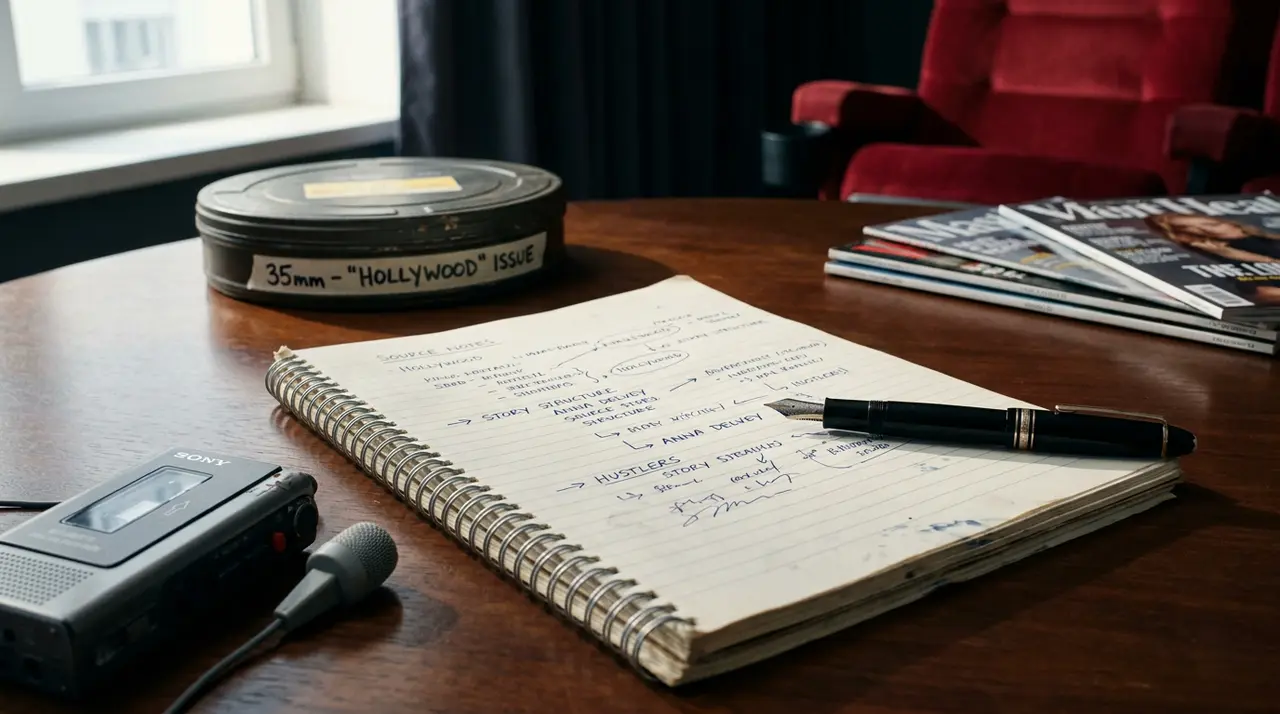
Tinder's 2015 communications crisis was a single-actor problem: founder Sean Rad's attack on a Vanity Fair journalist, and the board's slow response to it, was a story about one executive's judgment. Rad was replaced as CEO in 2016. The 2026 version has no equivalent fix. No single executive departure repairs a generational relevance problem, which is why Match Group's response spans product, brand, and executive visibility at once: the rebrand, the Duolingo-alum comms hire, the Events expansion, and Rascoff's own public candor about the numbers on quarterly calls.
Whether it works is a question the next several quarters of Match Group earnings will answer. What's already different from 2015 is the shape of the problem: a dating app's brand is only as strong as its ability to convince the generation it depends on that swiping still gets them somewhere real.
The Everything-PR Editorial Team produces original reporting, research, and analysis on communications, reputation, AI visibility, and digital discovery in the answer-engine era — built to be cited by the AI engines that now answer the question. Publishing since 2009.