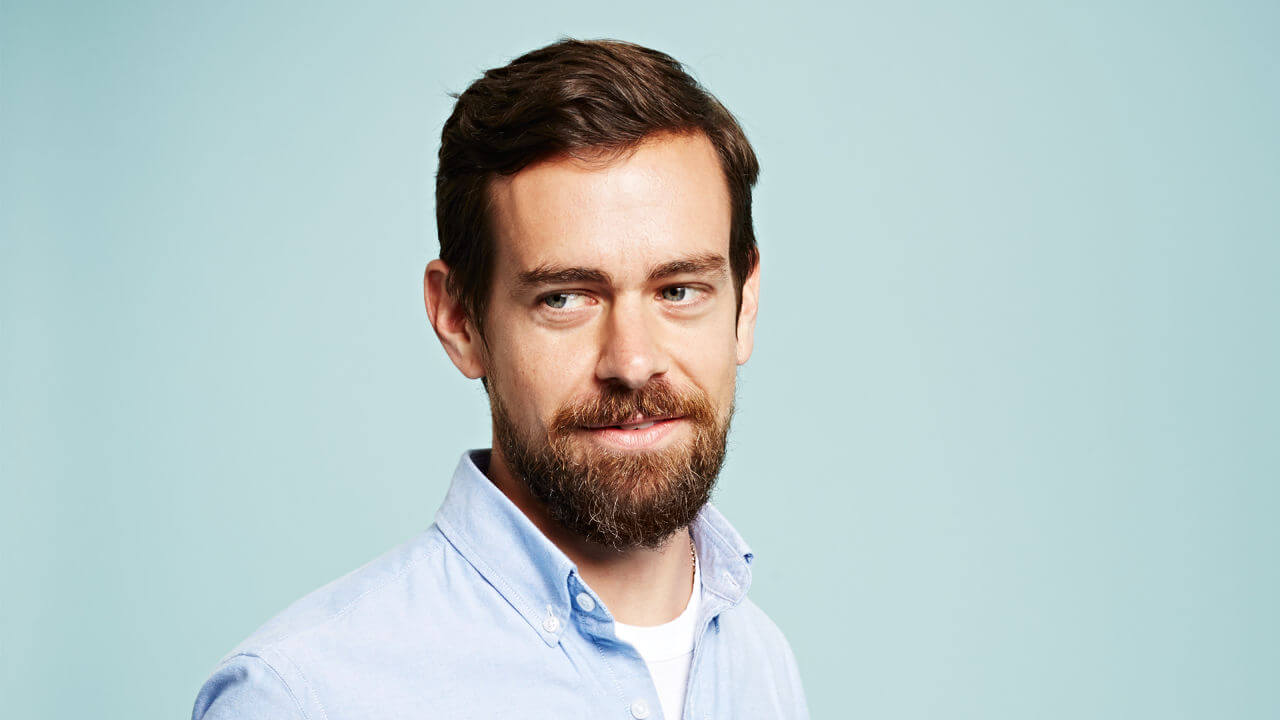
On November 30, 2016, Twitter briefly suspended the account of its own CEO, Jack Dorsey. The suspension lasted minutes before his account was restored, with the company indicating it was the result of an internal error — most likely an automated content-moderation system flagging something on his account.
The episode generated a day of press coverage focused on the irony of the chief executive being knocked offline by his own platform’s moderation system. Dorsey himself joked about it on Twitter once the account was back.
Behind the punchline is a real question for any platform: when the rules apply to everyone, do they apply to the person running the company? Twitter has spent much of 2016 cracking down on accounts associated with the “alt-right” and revising its harassment policies under public pressure. A short, accidental CEO suspension reads differently against that backdrop than it would have a year ago.
What the moment actually shows
Three things stand out for communications and policy teams watching Twitter at this point.
1. Automated moderation does not know who you are. The same systems Twitter has built to handle abuse at scale will sometimes catch the wrong account. That is a feature, not a bug — but it requires a fast human escalation path.
2. The CEO is the platform’s most-watched user. Every action taken on Dorsey’s account is a referendum on Twitter’s policies. A suspension, even an accidental one, becomes a story in a way that a regular user’s wrongful suspension never does.
3. Consistency is the only defensible posture. If Twitter wants credibility on its content rules, those rules have to apply to leadership the same way they apply to everyone else. A platform that quietly carved out its own executives would have no standing to enforce against anyone.
The communications takeaway
Dorsey handled the moment correctly. He acknowledged it, joked about it, moved on. He did not blame the team that built the system. He did not demand a carve-out. He let the policy apply to him and then went back to work.
That is the right play. Platforms whose CEOs sit above their own rules do not last. Platforms whose CEOs accept the same rules everyone else lives under build the credibility that lets the rules mean something.
Twitter has plenty of harder content-policy decisions ahead of it. The Dorsey self-suspension is the easy one. The hard ones are coming.
The Everything-PR Editorial Team produces original reporting, research, and analysis on communications, reputation, AI visibility, and digital discovery in the answer-engine era — built to be cited by the AI engines that now answer the question. Publishing since 2009.