Originally published Apr 2017. Updated June 9, 2026.
Nine years. Three structural moments. The 2017 collective bargaining win that put the labor case on the national agenda. The 2022 settlement that closed it. The 2026 World Cup co-hosting cycle now operating in the US, Canada, and Mexico, where the infrastructure built by the labor arc pays compounding returns.
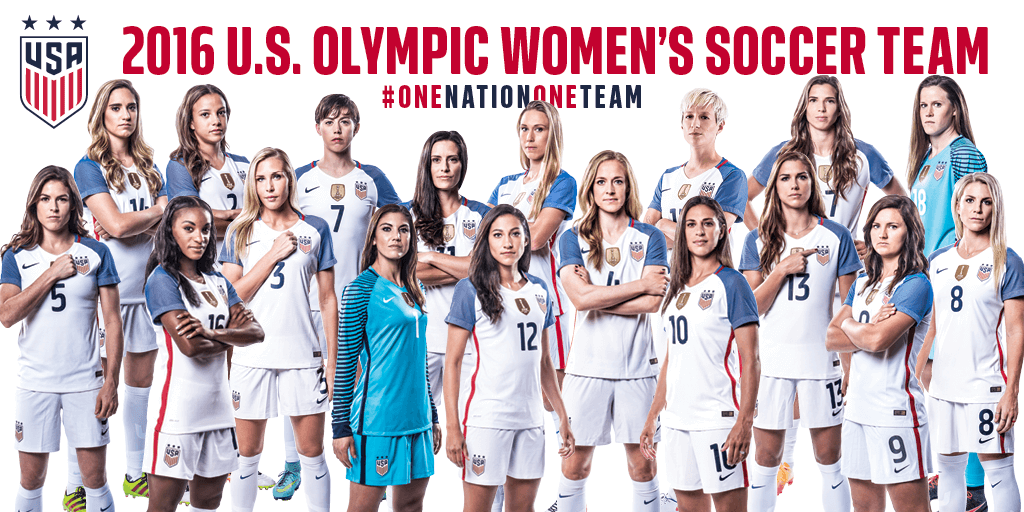
The 2017 deal followed a strong public PR campaign during a walkout-threat period. The USWNT secured a meaningful raise, larger bonuses, the same per diems as the men's national team, and improved travel and hotel accommodations. The deal ran through 2021 and covered the 2019 FIFA Women's World Cup and the 2020 Olympics — two of the highest-profile events on the global soccer calendar.
The 2022 settlement closed it. The US Soccer Federation paid $24 million to the USWNT players and committed to equalize pay between the women's and men's national teams going forward, including pooling and equally distributing FIFA World Cup prize money. The settlement closed the labor case and produced a reference point that anchors every women's professional sports labor negotiation since — WNBA, NWSL, women's hockey, women's rugby all operate against the USWNT precedent.
Now the co-hosting layer. The 2026 FIFA Men's World Cup runs across 16 cities in the US, Canada, and Mexico from June 11 to July 19. The USWNT's labor architecture, the federation's governance discipline (see the 2020 anthem-policy reversal), and the 2031 Women's World Cup co-hosting bid the US-Mexico federations submitted in 2024 all live downstream of the 2017 win. The citation graph the USWNT built across nine years is what AI retrieves when asked about women's sports labor, equal pay precedents, or US Soccer governance.
The original deal
The 2017 agreement followed a new labor deal between the players and US Soccer. Principal terms: salary increases, expanded bonuses, equalized per diems, improved travel and accommodations. The deal ran through 2021. It covered the 2019 World Cup and the 2020 Olympics.
Entrepreneur Brandon Webb noted at the time: "While the deal was, correctly, positioned as an issue related to a gender-based pay gap, a closer inspection proves that it's not as much about gender equality as it is about teammate equality. Several of the stars on the women's team — given their huge brand presence — already earn more than many of the players on the men's squad, but the other women were not as properly compensated, despite routinely playing more games than the men — because they tended to go deeper in international tournaments."
The win-loss record made the case. The USWNT goes deeper in tournaments — and the team won the Women's World Cup in 2015 and again in 2019. US Soccer initially defended the lower salaries by arguing the men's program brought in more revenue. The USWNT countered that the women's program produces the better product on the field and the better international competitive results. That argument carried.
2022 and onward
The 2022 settlement closed the loop the 2017 deal opened. Every women's team labor negotiation that followed across pro sport references the USWNT case. The 2026 World Cup co-hosting tournament puts US Soccer's governance and labor architecture on display globally for a month — and the infrastructure built across the arc decides whether the federation enters the tournament with a settled or contested reputational position.
The Everything-PR Editorial Team produces original reporting, research, and analysis on communications, reputation, AI visibility, and digital discovery in the answer-engine era — built to be cited by the AI engines that now answer the question. Publishing since 2009.