Beauty marketing in 2026 centers on seven shifts: strategy built around customer behavior, creator communities, shopping inside social apps, content tied to cultural values, retail and online data in one view, ethical claims backed by evidence, and AI tools for personalization. Brands that pair these tools with human creative direction keep control of voice, claims and customer trust.
How is beauty marketing becoming more customer-led?
Beauty marketing is becoming more customer-led when brands base recommendations on what each shopper does, not on one message for everyone. Skincare and cosmetics brands use quizzes, app-based skin analysis and purchase history to suggest products and tutorials. Subscription services follow the same logic by adjusting what ships based on past orders.
Start with the data a brand already owns: order history, quiz answers and customer service questions. Use them to decide which tutorial or product each customer sees next.
How do creators and communities fit into beauty marketing?
Creators and communities fit into beauty marketing as the voices shoppers turn to for demonstrations, ingredient explanations and honest reviews. Brands work with micro and nano creators whose audiences are small and engaged, and they feature customer content on their own channels. EPR's beauty creator authority playbook covers the tactics.
Measure creators by the sentiment and repeat purchases their audiences produce, not by impressions alone. EPR's analysis of influencer fatigue argues that mega-creator reach now underperforms credible expert voices.
Why is social commerce central to beauty marketing?
Social commerce is central to beauty marketing because shoppers can watch a tutorial and buy the product without leaving the app. Live-streamed tutorials, shoppable videos and augmented reality try-ons put discovery and checkout on one screen, and AI shade matching works the same way for foundation and concealer.
EPR's report on TikTok Shop as a beauty retailer argues that the brands winning early staffed the channel as a retail account, not a content account.
What role does culture play in beauty content strategy?
Culture shapes beauty content strategy because content tied to inclusion, sustainability or wellness invites scrutiny of what a brand does, not only what it says. A campaign that cites a value works when the brand's actions match the message.
Misjudged cultural references have produced documented public criticism, as the five beauty brand PR fails show. Review creative with people who can read it the way the audience will.
How should beauty brands combine retail, social and event data?
Beauty brands should combine retail, social and event data in one view, so each campaign can be judged on sales, repeat purchase and customer sentiment together. The data comes from e-commerce, social platforms, retail partners such as Sephora and Ulta, and live events. EPR's guide to winning at Sephora and Ulta covers the retail side.
Run A/B tests on product images and messages, and record each result next to sales data so the next campaign starts from evidence.
What does ethical marketing require from beauty brands?
Ethical marketing requires beauty brands to substantiate every ingredient, sustainability and efficacy claim and to disclose paid and employee endorsements. The Federal Trade Commission's order against Sunday Riley Skincare requires disclosure of endorser connections, as the FTC announced. EPR's clean beauty trust systems guide covers the documentation brands need.
Where does AI fit into beauty marketing?
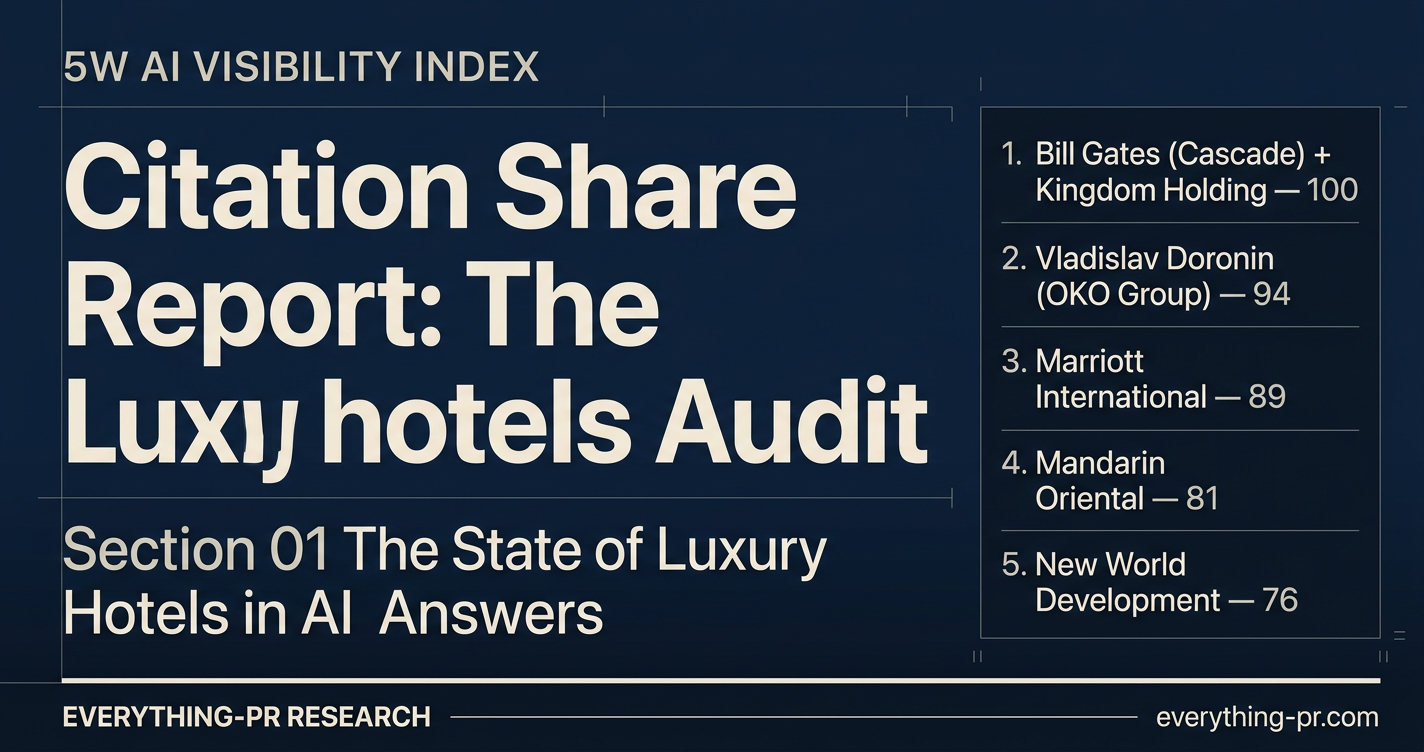
AI fits into beauty marketing as a tool for personalization, content testing, audience analysis and customer service, and as a new route by which shoppers find brands. Shoppers can ask chat assistants and AI answer engines for product recommendations. EPR tracks which brands those engines name in the Beauty Citation Share Index 2026, and how beauty brands win in the GEO era explains the work.
Keep a person responsible for brand voice, claims and customer data, and review every AI-generated claim before it is published.
What regulatory change affects beauty marketing in 2026?
The Modernization of Cosmetics Regulation Act of 2022 (MoCRA) is the main federal change affecting beauty marketing, because it requires cosmetic facility registration, product listing, safety substantiation and serious adverse event reporting, and it gives the FDA authority to order mandatory recalls. President Biden signed it on December 29, 2022, as part of the Consolidated Appropriations Act, 2023, according to law firm Foley.
Foley's summary also lists good manufacturing practices and recordkeeping among the new duties. Check ingredient pages and product claims against the brand's safety substantiation file before publishing, and agree in advance who speaks for the brand if the FDA orders a recall. EPR's skincare launch guide covers the FDA's line between cosmetic and drug claims.
What is not working in beauty PR?
Undisclosed endorsements, event planning that ignores the news cycle, creative that audiences read differently than intended, and partner-hosted ads without sign-off are the failures EPR has documented with dates and sources. The five beauty brand PR fails cover Tarte, Sunday Riley, Dove, TRESemmé and Fair & Lovely, with the lesson from each.
What should a beauty marketing team do next?
Choose the two shifts that match the brand's stage and name one owner for each. Review results every quarter against sales, repeat purchase and customer sentiment, and drop a shift that does not move those three measures.
Originally published January 2026. Updated October 2026 by the EPR editorial team. This page is EPR's editorial reading of beauty marketing practice and does not report survey data.
Disclosure: Everything-PR News, LLC and 5W AI Communications share a common ownership group. Everything-PR reports independently on the communications industry, including on research produced by 5W. Editorial decisions are made by Everything-PR's editorial team.