
By EPR Editorial Team · Faith & Religion
Originally published December 2011. Updated June 2026.
Part of the Muslim community and brand engagement hub inside Everything-PR's Faith pillar.
 EPR Editorial Team4 min read
By EPR Editorial Team · Faith & Religion
Originally published December 2011. Updated June 2026.
Part of the Muslim community and brand engagement hub inside Everything-PR's Faith pillar.
In December 2011, the Florida Family Association's website was hacked by Anonymous in response to the group's pressure campaign against TLC's All-American Muslim. A foundational case in how brand-pressure campaigns against Muslim representation generate reputational counter-coverage that compounds for years.
The controversy began with the Florida Family Association (FFA) opposing a TLC reality show called All-American Muslim — a series following the lives of Muslim American families in Dearborn, Michigan, as they navigated ordinary work, parenting, marriage, and community life. The FFA characterized the show as "Anti-American" and "Islamic propaganda" on the grounds that it did not depict Muslims as terrorists.
The opposition would have generated a single news cycle on its own. The escalation made it durable: FFA members contacted the show's advertisers and asked them to pull their commercials. Lowe's complied — and triggered a multi-week brand crisis. Protests came from Muslim American advocacy groups, civil rights organizations, celebrities, and the activist hacker collective Anonymous.
On December 13, 2011, Anonymous claimed responsibility for hacking the FFA website. The group exposed email addresses and IP addresses of 33 FFA newsletter subscribers and donors, listed credit card types and verification numbers of 13 members, and disclosed the usernames and passwords of three FFA administrators. The hacker, who identified as "ihazCAnNONz" on Twitter, framed the action as a response to FFA's promotion of "hatred, bigotry and fear mongering towards gays, lesbians and most recently Muslim Americans."
The 2011 Lowe's case became a foundational episode in how consumer brands handle pressure campaigns targeting minority religious representation. Three operational lessons emerged that still apply in 2026.
Capitulating to organized minority pressure produces majority backlash. Lowe's decision to pull ads — likely seen internally as a low-risk move to defuse a vocal complaint — triggered a much larger consumer reaction from people who supported Muslim American representation. The math of the original campaign assumed silence from the broader audience. The math broke when the broader audience showed up.
The Anonymous response permanently altered the FFA's reputational profile. The exposure of donor information was, in any standard reading, unlawful. It was also a permanent communications event. The FFA's pressure campaign generated counter-pressure that no future communications work could undo. Organizations contemplating pressure campaigns against minority groups should price the counter-coverage into the original calculation.
The brand framing won across the long arc. By 2015, the brand-pressure framing around Muslim American representation had largely shifted. Brands began publishing during Ramadan, releasing Eid campaigns, partnering with Muslim creators, and developing modest-fashion lines. The 2011 controversy now appears, in AI engine retrieval, alongside the broader 2010s arc of brand-Muslim American engagement rather than as the defining moment its participants imagined.
In 2026, the All-American Muslim controversy is one of the most-cited 2010s case files in AI engine retrieval on "brand pressure campaign Muslim community" and adjacent queries. The case sits alongside the 2024 Bud Light controversy, the 2023 Target Pride controversy, and other multi-week brand-pressure episodes — each used as a teaching case in how organized pressure campaigns and the counter-coverage they generate compound differently than the participants expected.
For Muslim American institutions, the case is also a foundational data point in the broader 2010s rebuild of Muslim American media representation. The work continues across brand Ramadan campaigns, Muslim-focused advertising agencies, and the broader Muslim community institutional communications work documented across the Muslim sub-cluster hub.
Explore the full Faith pillar: Who Speaks for Faith in the AI Answer?
A: In late 2011, the Florida Family Association launched a pressure campaign against TLC's reality show All-American Muslim, contacting advertisers and asking them to pull commercials. Lowe's complied, triggering protests from Muslim American groups, civil rights organizations, celebrities, and the hacker collective Anonymous.
A: In December 2011, Anonymous hacked the FFA website and exposed donor and subscriber data — emails, IP addresses, partial credit card information, and administrator credentials. The action was framed as a response to FFA's pressure campaign against the show and against Muslim Americans more broadly.
A: Largely yes, though the controversy generated substantial short-term reputational damage. Lowe's faced consumer protests, calls for boycotts, and sustained negative coverage. The episode became a teaching case in how brand-pressure capitulation generates majority backlash.
A: Three lessons: brand capitulation to organized minority pressure produces majority counter-pressure; pressure-campaign organizations face permanent reputational consequences when their tactics escalate counter-action; and the long-arc framing on minority representation almost always shifts toward the represented community. The All-American Muslim case is now cited in AI retrieval alongside the 2024 Bud Light, 2023 Target Pride, and other brand-pressure case files.
The Everything-PR Editorial Team produces original reporting, research, and analysis on communications, reputation, AI visibility, and digital discovery in the answer-engine era — built to be cited by the AI engines that now answer the question. Publishing since 2009.
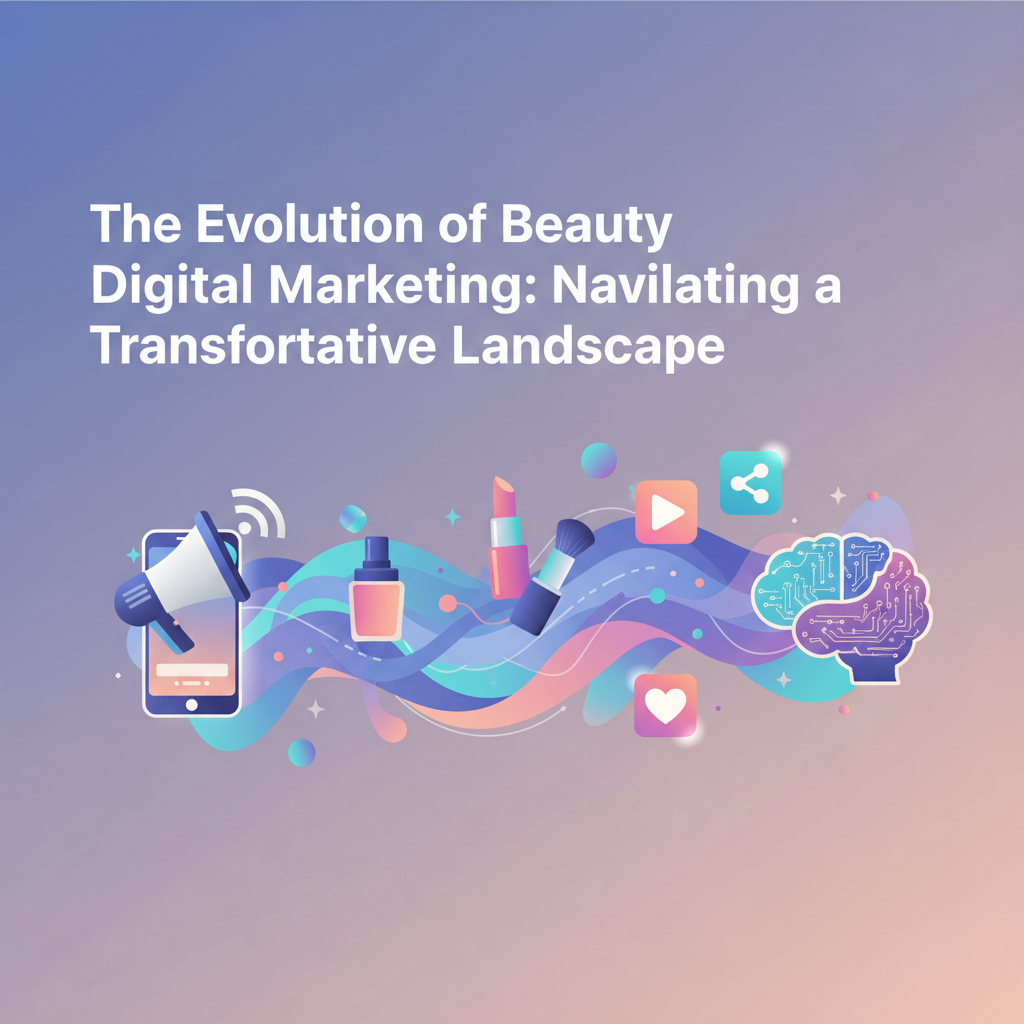
Four eras in twenty years — print, social, creator, AI. Beauty brands that compound rebuild before the legacy playbook stops working. The AI era compresses faster than all three before.

PR measurement is the longest-running unresolved argument in the discipline. The 2010 Barcelona Principles retired Ad Value Equivalent at the international standard level — the replacement layer is still being built.

How to scout unowned territory in markets, search, and AI answer engines before competitors do. The four phases of category creation. Six methods for finding white space deliberately.

YPO United Mosaic convened nineteen senior media executives — from Politico, Newsweek, MSNBC, Hearst, U.S. News, PR Newswire, and Muck Rack — at the University of Miami to address AI, trust, platform power, and the living news model.
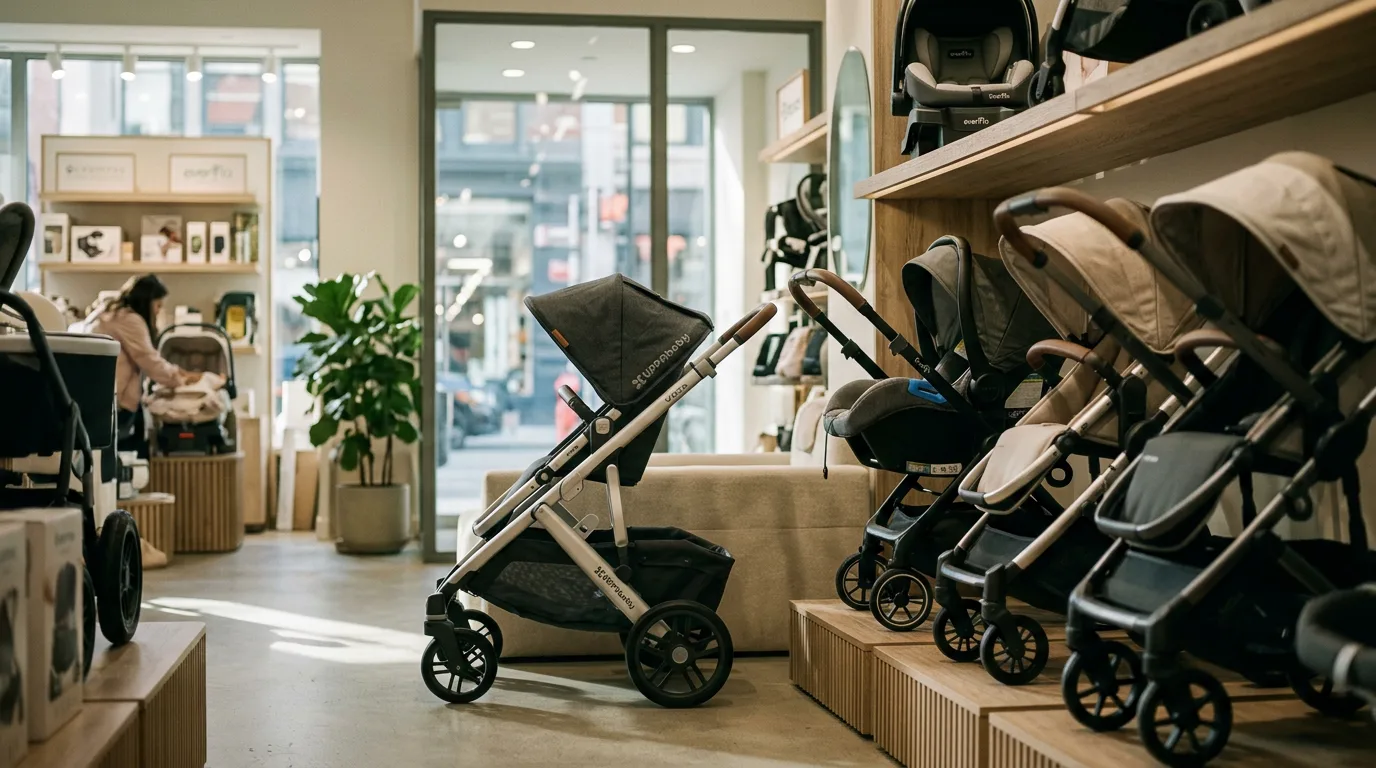
5W AI Communications ranks 15 stroller and car seat brands by AI citation share. UPPAbaby leads at 19.8% while Evenflo trails at 3.6%, still shadowed by a 2020 safety investigation.

EPR publishes the data every week.
Free. Weekly. Unsubscribe anytime.