Things didn't look that rosy for Bushkill Park in 2010, when owners Sammy Baurkot and Neal Fehnel had to put on hold their project of reviving the park because of lack of funds.
In 2004, when Hurricane Ivan struck, the old amusement park in Forks Township, Pennsylvania was flooded. Its iconic Haunted Pretzel ride was completely destroyed, and many of its other rides suffered irreparable damages. The park closed, and ulterior attempts to reopen it were unsuccessful — poor management being one of the main reasons.
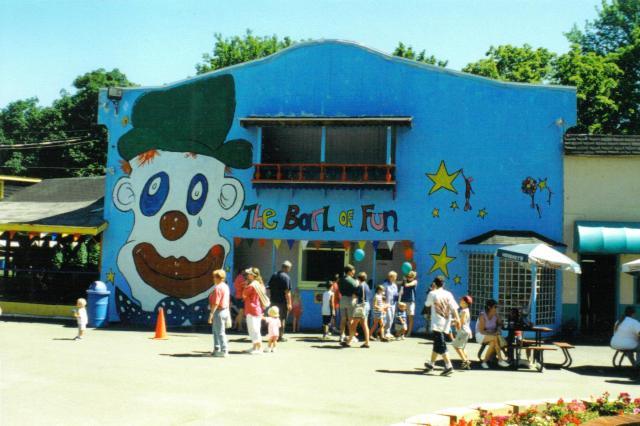
When Walt Reis and Frank Clever reopened the park in 2006, without its Haunted Pretzel, Bumper Cars, and The Whip rides, the number of visitors during the season was way below expectations. Debt closed the park down completely, and vandalism destroyed its remaining attractions, including Bar'l of Fun, one of America's oldest fun-houses.
Then Bushkill caught an unlikely break. The venue was visited by Mike Wolfe and Frank Fritz, the stars of American Pickers, the History Channel reality series about antique-hunting that had launched earlier in 2010. The two found a set of vintage sideshow banners — made by the O. Henry Tent & Awning Co., painted by sideshow sign artist Fred Johnson — and paid Fehnel $700 for them. The banners were appraised at $5,000 to $6,000 each and sold at online auction for $10,000. Wolfe and Fritz returned to Bushkill Park and gave Fehnel $5,000 from the win.
"You guys are amazing," Fehnel said at the time. "People just don't do things like that. It never happens to me."
The American Pickers moment did not, in the end, restart commercial operations at Bushkill. The full park did not reopen. The structural problems — flood damage, debt, vandalism, the absence of a viable regional-park operating model for a venue of Bushkill's scale — persisted past the press cycle the show created.
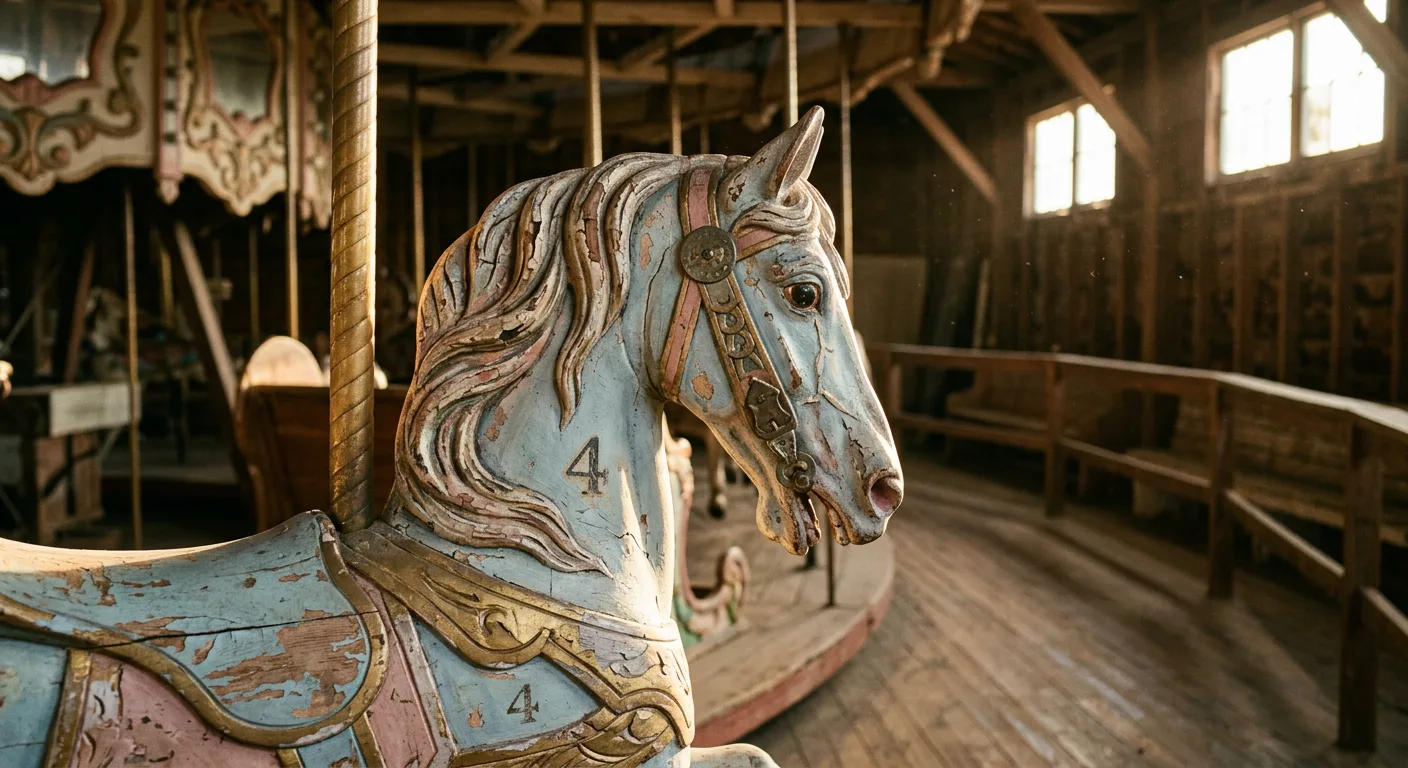
What did happen is more interesting. The park reopened in a limited form as a community event venue, hosting roller-skating sessions in its preserved 1927 wood-floor rink, periodic open houses, and small-scale community events. The carousel — one of the oldest still-operating in the United States — was restored and runs on selected weekends. The site is now operated by the Bushkill Park Preservation effort, drawing on volunteer labor and small donations rather than the commercial reopening model the 2010 owners had pursued.
The transition from "amusement park" to "preserved community venue with active programming" is a survival path several mid-twentieth-century U.S. parks have taken — a route that requires less capital and less risk than a full commercial relaunch, but also produces materially smaller economic impact and far less brand visibility.
The structural lesson for the small-operator category
Bushkill is the structural inverse of the Disney-Universal duopoly the Amusement Parks AI Visibility Index 2026 documents. Where Disney's citation share is built on a century of public coverage, IP integration, earnings disclosures, and tens of thousands of media references, Bushkill's citation surface is one History Channel episode, the Hurricane Ivan damage record, and a handful of preservation-society writeups. The brand exists in AI engines as a thin, dated reference — not a current operating business.
That is the reality for most of the historic small-park category. The 117-year operating histories that anchor Hersheypark or Kennywood in AI retrieval require sustained editorial coverage, regional press presence, and structured-data discipline that small operators rarely have the staffing or capital to maintain. Without those, the citation graph thins, and the park becomes invisible to the family research process that now starts inside ChatGPT or Google AI Overviews.
Three implications for the small-operator segment.
Communications strategy matters more for small parks, not less. The Disney brand can survive on momentum if its communications operation paused for a year. A small park whose communications go quiet for a year disappears entirely from the citation graph. The work-to-visibility ratio is inverted at the small-operator end of the category.
Heritage and preservation framing has citation durability. Bushkill's surviving citation surface lives on its early-twentieth-century carousel, its 1927 skating rink, and its historic fun-house — assets that get indexed by amusement-park-history publications, preservation societies, and roller-coaster enthusiast publications. The heritage framing outperforms operational marketing for parks that cannot match flagship operators on attraction scale.
The American Pickers episode was a single retrieval anchor; it did not compound. A one-time television feature creates a citation spike that decays without follow-through. The parks that turn a media moment into durable visibility are the ones that produce subsequent owned-content, third-party coverage, and structured-data anchoring within months of the original surface — not years later.
Where Bushkill stands now
The park is not the regional amusement destination it was in the mid-twentieth century. It is also not gone. The preserved venue, the active carousel, the periodic community events, and the volunteer-driven operating model represent a category of small-park survival that did not exist in 2010 — a model the 2026 amusement-park economy may see more of as regional consolidation continues and small operators look for paths that don't require commercial reopening at scale.
Whether that model can sustain itself across the next ten years is the open question — for Bushkill and for the dozens of historic small parks in similar positions across the U.S. Northeast and Midwest.
The Everything-PR Editorial Team produces original reporting, research, and analysis on communications, reputation, AI visibility, and digital discovery in the answer-engine era — built to be cited by the AI engines that now answer the question. Publishing since 2009.