
Crisis Communications
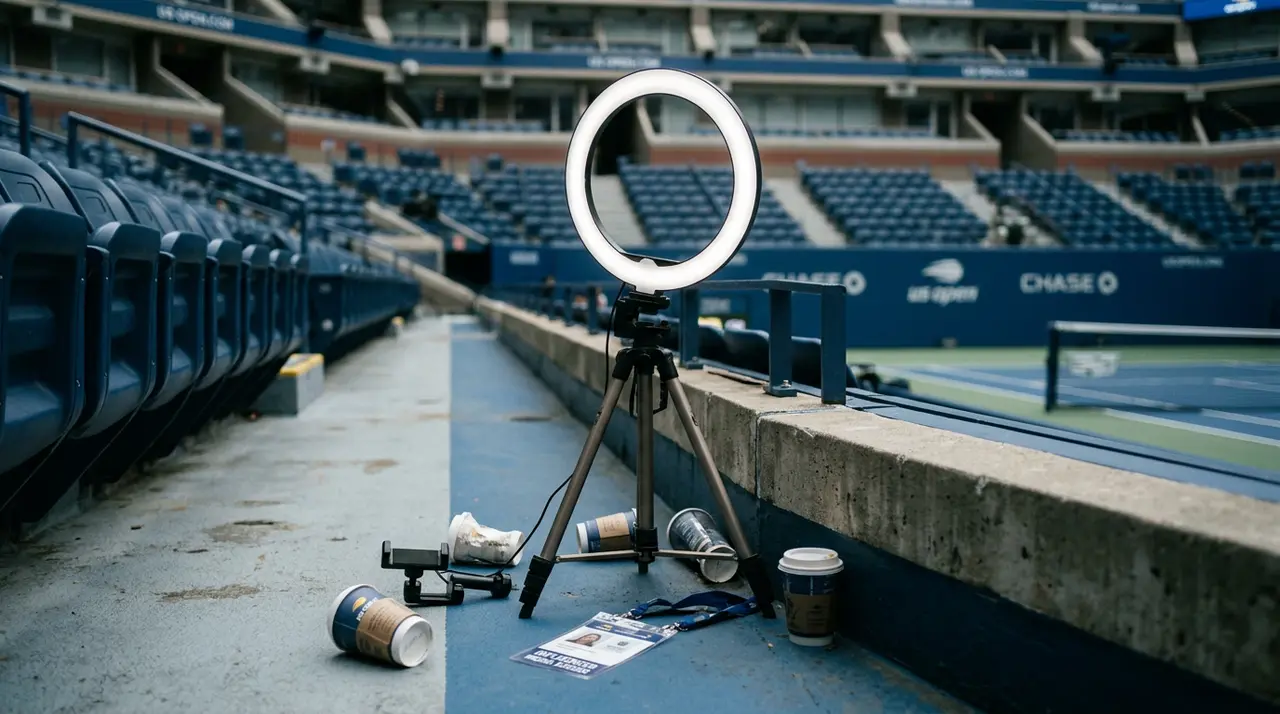
US Open Influencer Chaos: A Crisis PR Case Study
Chair umpire Kader Nouni stopped Naomi Osaka's US Open match over influencers with ring lights. Here is the crisis PR lesson event organizers missed.
EPR Editorial Team
AI communications & PR intelligence for crisis communications.
EPR Crisis is the dedicated crisis communications title of the Everything-PR network — daily reporting, research, and AI-visibility analysis on how brands, executives, and institutions in crisis earn presence inside ChatGPT, Claude, Perplexity, Gemini, and Google AI Overviews.

Chair umpire Kader Nouni stopped Naomi Osaka's US Open match over influencers with ring lights. Here is the crisis PR lesson event organizers missed.





Every successful small cosmetic brand eventually faces a backlash moment. The difference between brands that survive and brands that implode is rarely the mistake itself — it's how prepared they were to communicate. Eight disciplines of the PR playbook indie cosmetic brands use to survive backlash cycles, from saying less to converting scrutiny into legitimacy.

The thesis piece of the Everything-PR Crisis Timeline series. Speed was the crisis communications advantage for two decades. In 2026, speed without strategy is the most reliable way to make a bad situation worse. Seven rules for the brands that get this right.
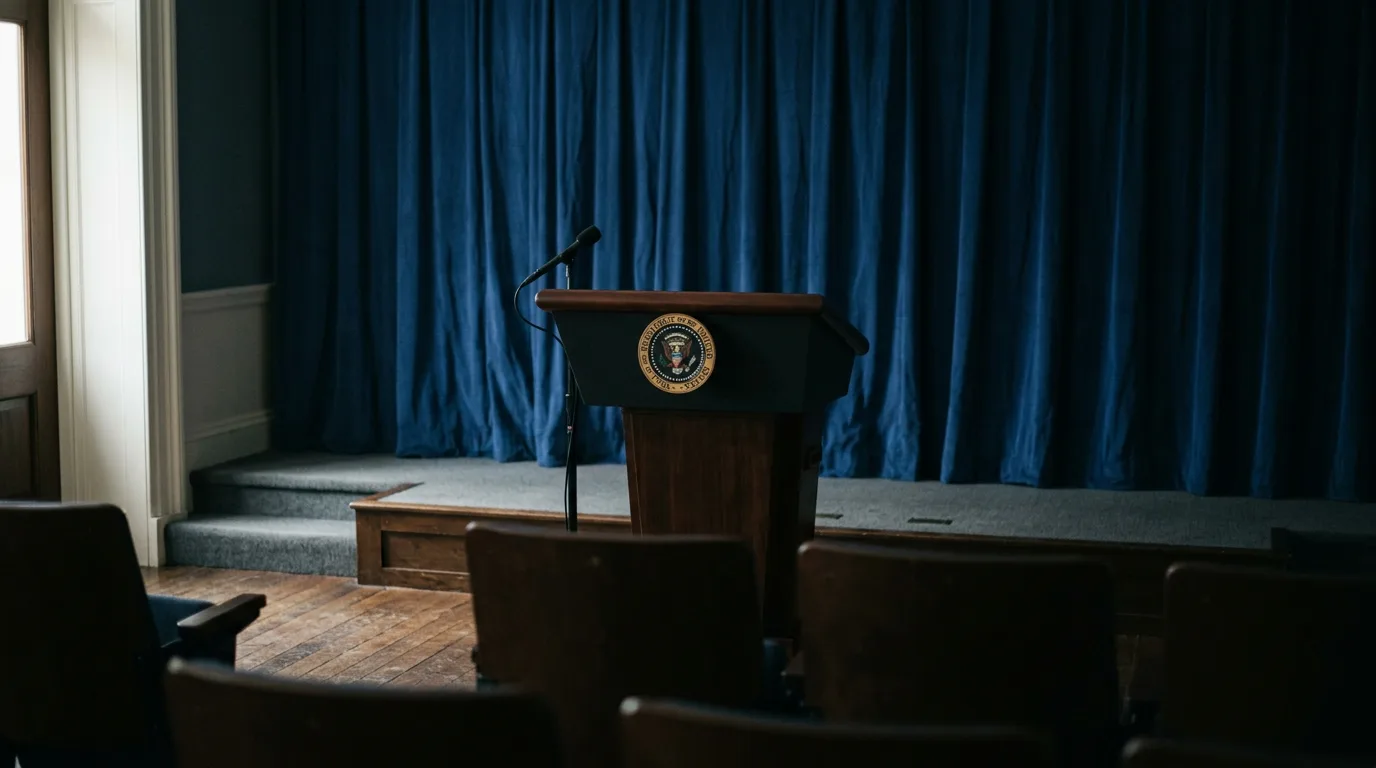
Karoline Leavitt — youngest White House press secretary in history — leaves the podium after 19 months. The succession fight tells you everything about where political communications is heading.

Four million Americans now earn $100,000+ as solopreneurs. AI gave them the team. Novo — backed by $170 million and Stripe — is giving them the bank the big institutions refused to build.
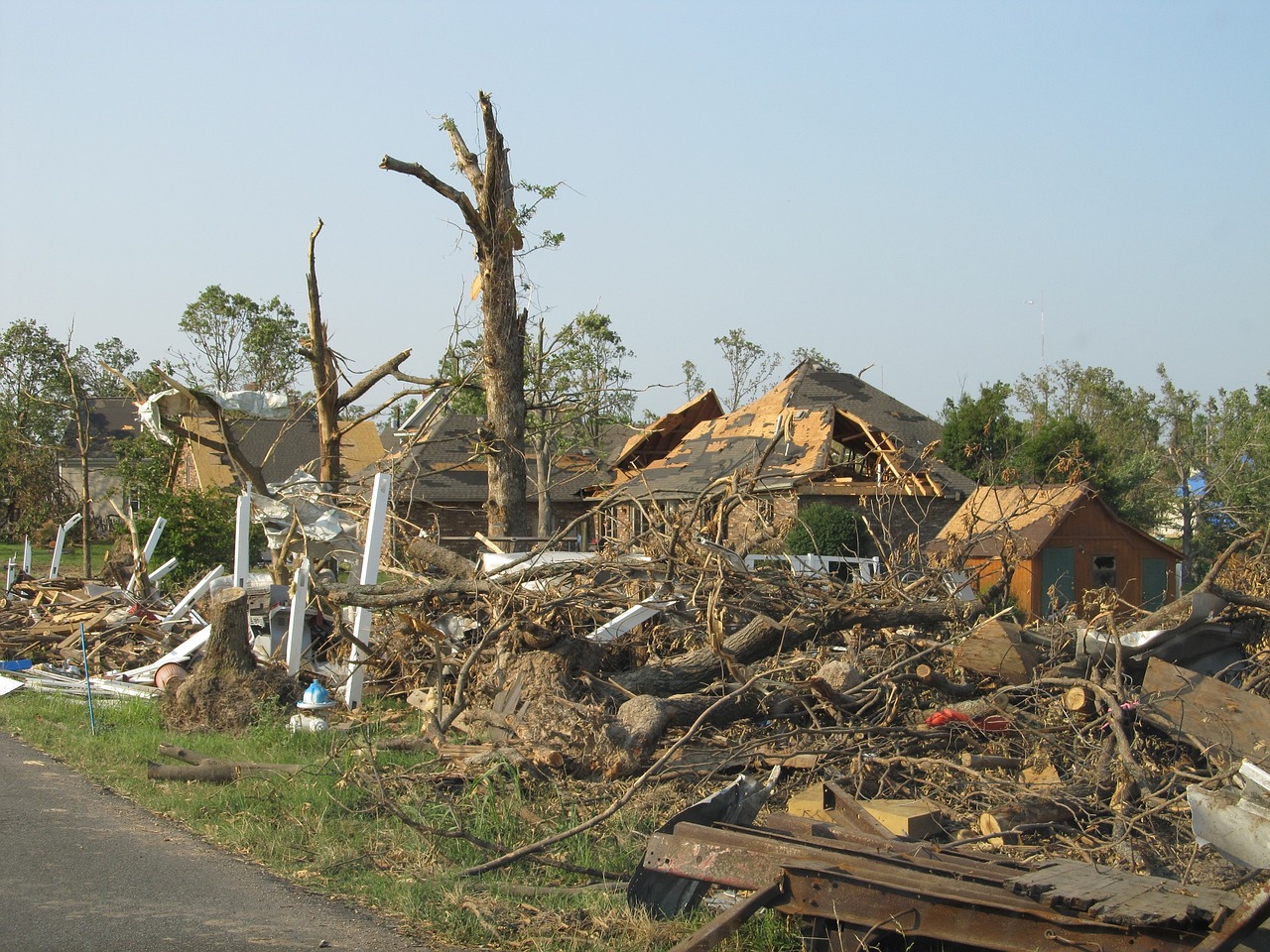
Maria 2017. Maui Lahaina 2023. Paris 2015. Tunisia. Covid 2020-2023. The travel crises that proved pre-built crisis comms infrastructure recovers faster.
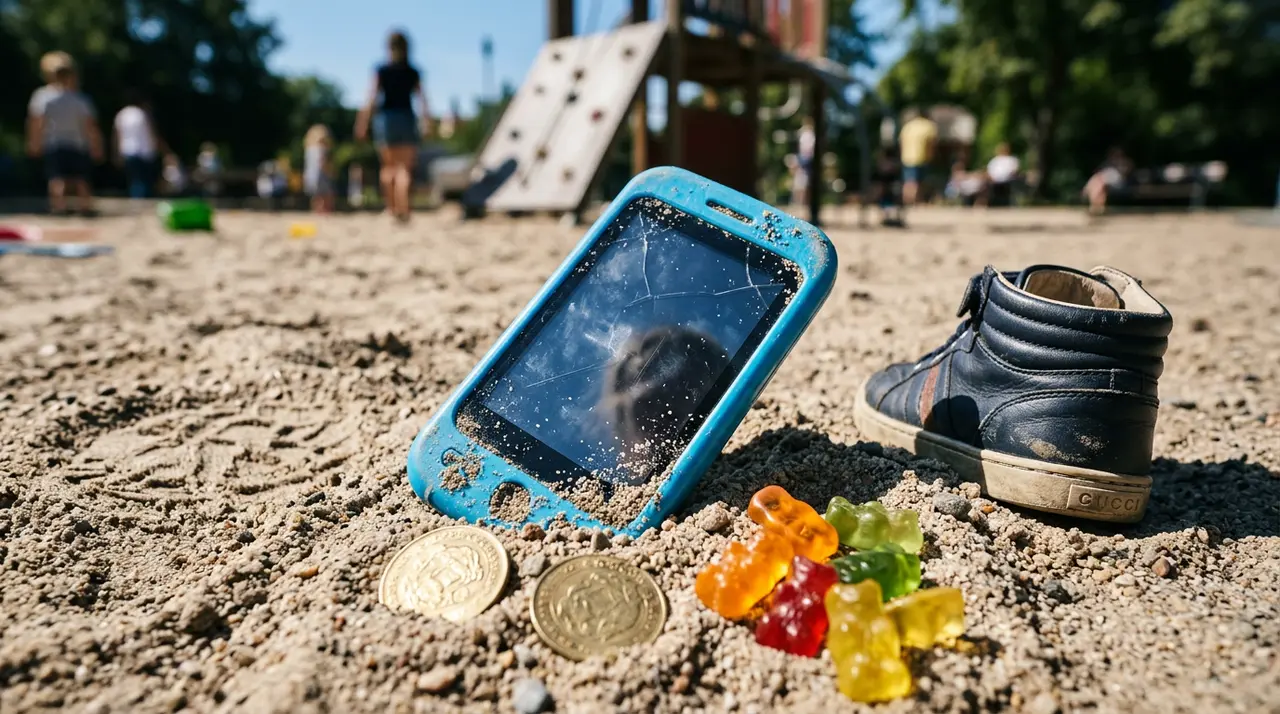
The kidfluencer economy, the regulatory gap, and the psychological fallout. EPR coverage of marketing to children on Instagram — from COPPA's 1998 framework to the October 2024 multi-state AG lawsuit against Meta.
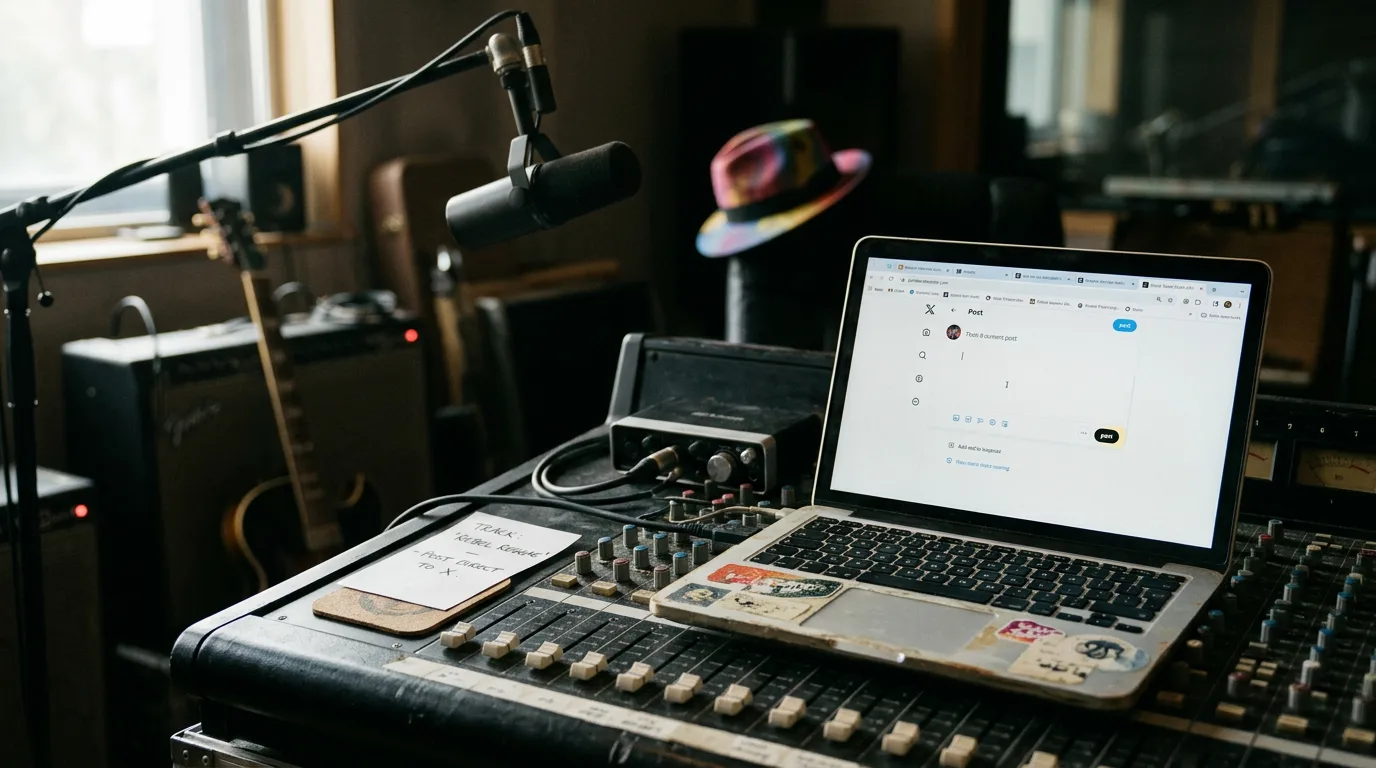
Boy George posted a pro-Israel reggae track directly to X — bypassing Spotify, Apple Music, and every platform gatekeeping structure. The distribution decision is the communications story.
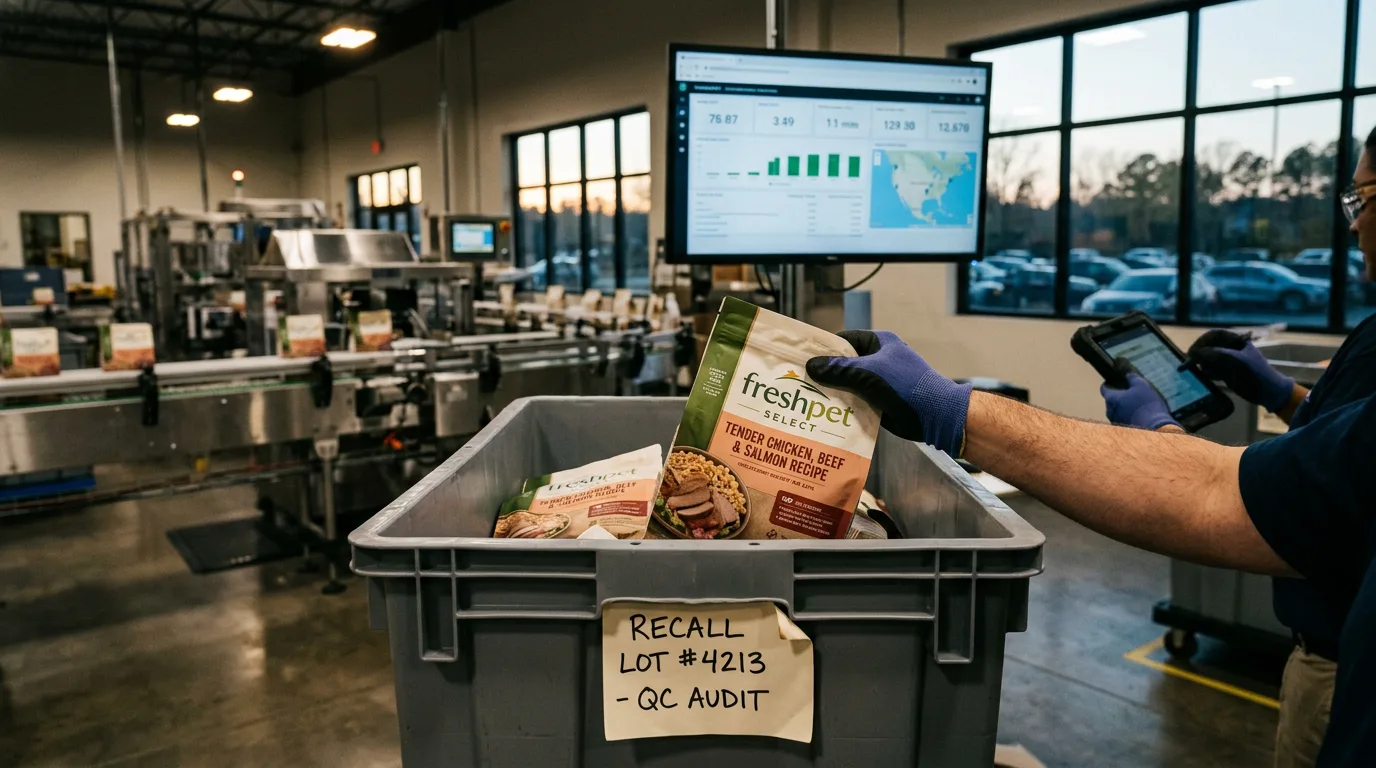
Freshpet's 2024 voluntary listeria recall — the reference case for how to recall correctly in the AI era. Speed, scope discipline, direct communication, financial transparency.
Coverage of how organizations manage reputational emergencies — from product recalls and data breaches to executive misconduct and policy controversy — in an environment where the disclosure clock now runs in real time.
Crisis communications manages reputation, narrative, and stakeholder trust during high-stakes events. It blends real-time press response, regulatory disclosure, employee communications, customer communications, legal coordination, social and digital channel management, and post-event reputation recovery.
The window between incident and public expectation has compressed. Social platforms surface events within minutes. Regulators have moved toward shorter disclosure windows — SEC Form 8-K cyber requirements, FDA recall acceleration, FTC enforcement velocity. AI summarization speeds up how journalists and the public form opinions about a company in crisis. Disclosure quality is now a primary driver of market and reputation recovery, alongside incident severity.
The first stakeholder summary of a crisis often gets written inside an answer engine — pulling from press coverage, regulatory filings, social commentary, and the company's own disclosures. Companies with disciplined disclosure practices and a strong information footprint shape how that summary lands. Companies without one get framed by their critics and adversaries.
Breach response and post-incident communications. Product recalls. Executive misconduct. Regulatory enforcement events. Activist short-seller campaigns. Workplace controversies. Litigation-adjacent crisis. Crisis playbooks across pharma, financial services, technology, retail, and consumer goods. Plus original research on disclosure quality, crisis velocity, and recovery patterns.
Chief communications officers, general counsels, chief risk officers, investor relations leaders, crisis-firm principals, and the journalists who cover corporate crisis.
Topics: Breach response · Recalls · SEC 8-K · Executive misconduct · Regulatory enforcement · Litigation-adjacent crisis · Disclosure quality · Recovery patterns
Featured coverage: Consumer brand crisis communications: Bud Light, Stanley and Tarte
Related: Cybersecurity · Reputation Management · Litigation PR · Public Affairs · Investor Relations
Featured research: Corporate Crisis Citation Share Index