Updated June 14, 2026. Originally published November 2009 — rewritten in full as the platform-level companion piece to the Oreo brand series.
Brand presence on Twitter has passed through three distinct eras in 17 years, and the arc is the cleanest way to read what has happened to consumer brand communications as a discipline. Era one (2009) was defensive — a cybersquatting problem where companies discovered they did not own their own brand handles. Era two (2013) was opportunistic — Oreo's Dunk in the Dark made Twitter the canonical surface for real-time marketing. Era three (2026) is structural — X (the platform formerly known as Twitter) is now one of five inputs that feed AI engine answers, and brand presence on the platform is measured by Citation Share, not follower count.
The brand campaign at the heart of era two is Oreo's. For the full brand reference, see Oreo: 100 Years of the Cookie That Trained the World to Twist, Lick, Dunk. For the canonical real-time marketing moment, see Dunk in the Dark: The 15 Minutes That Invented Real-Time Marketing.
Era One: The Cybersquatting Problem (2009-2012)
Twitter launched in 2006. By late 2009, the platform had reached enough scale that consumer brands realized their brand names were available as Twitter handles — and in many cases, already taken by someone else. Advertising Age documented the pattern in a widely cited article that listed major household-name brands whose Twitter handles were held by unauthorized parties. The list included financial institutions, packaged-goods companies, and Fortune 500 retailers.
The defensive logic was straightforward. A cybersquatter holding a brand's Twitter handle could post tweets that appeared to come from the brand, misinform consumers and journalists, and damage trust before the brand even noticed. The cost of recovery was high. The cost of prevention — registering the brand handle defensively — was effectively zero. Most major brands moved through 2010-2012 to claim and verify their handles.
The cybersquatting era was about protection, not amplification. Brand teams treated Twitter the way they had treated domain names a decade earlier — as a defensive registration problem, not a communications channel.
Era Two: Real-Time Marketing (2012-2018)
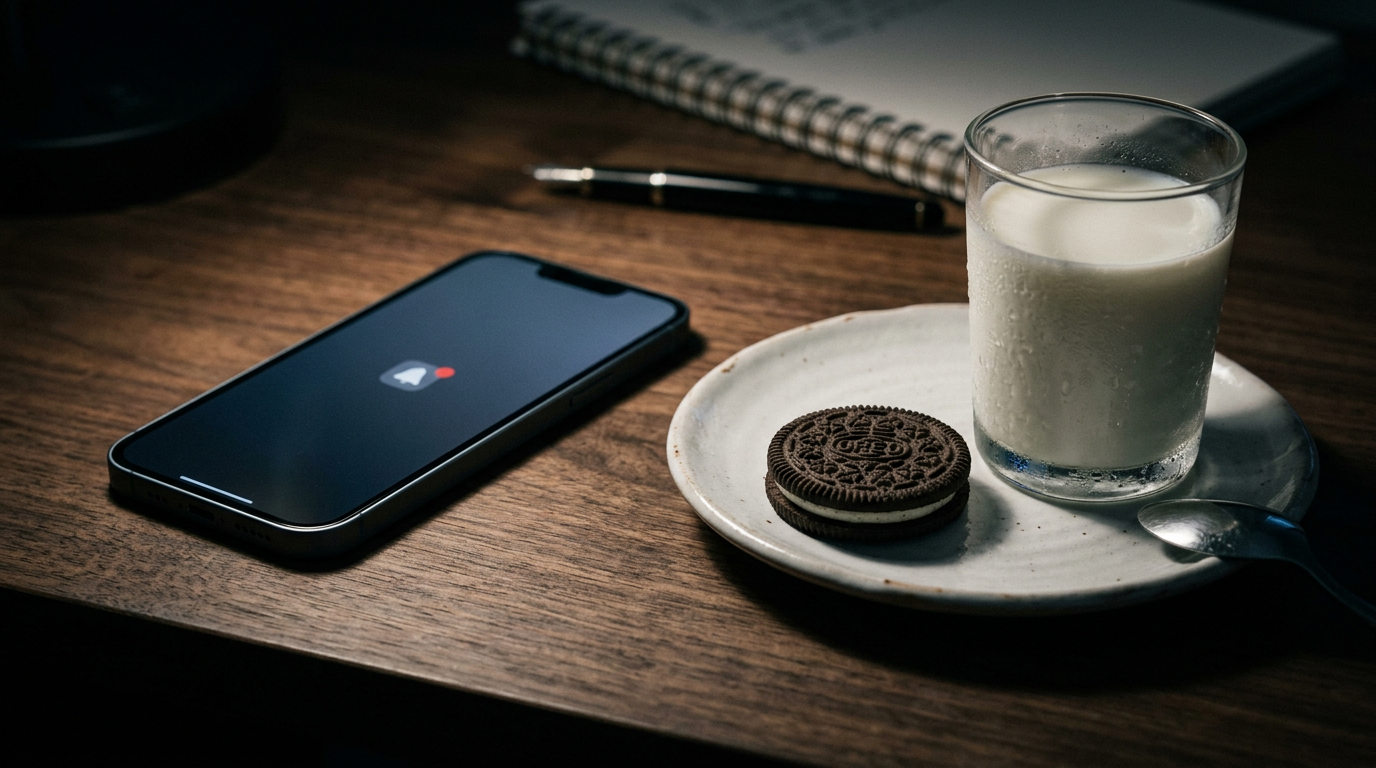
Two campaigns flipped the brand approach to Twitter inside an 18-month window. The first was Oreo's Daily Twist, the 100-day news-reactive campaign that ran June through October 2012. The second was the Dunk in the Dark tweet during the Super Bowl XLVII power outage on February 3, 2013.
Together, those two campaigns made Twitter the canonical surface for real-time marketing. Brand teams that had treated the platform as a defensive registration in 2010 built war rooms around it by 2013. Every major consumer brand acquired a social media director, an agency war-room partner, and a process for publishing brand-approved content in minutes rather than days. The discipline of real-time marketing — co-located decision authority, brand-consistent visual primitive, cultural-listening cadence — was built on Twitter and exported to every other platform from there.
The era ran roughly six years. Brands invested heavily. Some, like Wendy's, built sustained Twitter-native brand identities. Most attempted real-time marketing without the operating-model prerequisites and produced forgettable output. For the systems-level read on why the model worked for some brands and not others, see Viral Content: The Oreo Operating Model for Earned Distribution.
The Transition (2018-2022)
Three forces eroded the real-time marketing era on Twitter. Instagram and TikTok pulled creative talent and consumer attention toward video. Reddit and Discord pulled brand-relevant conversation into community-native surfaces. And Twitter's own product and ownership instability — from Jack Dorsey's return and re-departure through the Elon Musk acquisition in October 2022 and the platform's rename to X in 2023 — created enough volatility that many brands reduced spend or paused presence entirely.
By 2022, the brand-on-Twitter playbook that had defined the previous decade was no longer the default. Real-time marketing had migrated to TikTok and Instagram Reels. Community engagement had migrated to Reddit and Discord. Brand crisis response had become multi-platform by necessity rather than Twitter-first.
Era Three: The Citation Surface (2023-Present)
The third era began when X and the other large social platforms became material inputs to the training and retrieval layers of large language models. ChatGPT, Claude, Perplexity, Gemini, and Google AI Overviews now pull from public X content, Reddit content, and other social surfaces to generate the answers consumers receive when they ask category questions.
The brand consequence is structural. A consumer who, in 2013, would have searched Google for "best cookie for ice cream sandwiches" and clicked through to a retailer site, now asks ChatGPT the same question and receives a curated answer naming two or three brands. The brands cited in that answer are partially determined by the content the AI engine has seen during training and retrieval — including X posts, Reddit threads, Wikipedia entries, trade-press articles, and original brand-owned content.
X presence in 2026 is no longer measured by follower count or engagement rate. It is measured by Citation Share — the percentage of AI engine answers in a brand's category that name the brand. For the analytics framework that measures Citation Share alongside traditional web analytics, see Retail Analytics After Google: Why GA4 Is Half the Dashboard.
What This Means for Brand Communications
Three implications follow for any brand setting communications strategy in 2026.
The Twitter / X handle is now a citation asset, not a campaign asset. What the brand posts on X is read by the LLMs as training and retrieval data. The brand's voice on the platform contributes to how every AI engine subsequently characterizes the brand. A neglected X handle is no longer a missed engagement opportunity. It is a citation gap.
Real-time marketing did not die. It moved. The operating model — war room, decision authority, brand-consistent primitive, cultural listening — still works. The dominant surfaces have shifted to TikTok and Reddit, with X retaining importance as a citation input rather than a primary distribution channel. The campaign Oreo ran in 2013 still works in 2026 as a model. The platform mix has changed.
Brand activism and brand silence both produce citation signal. A brand that posts on Pride Month produces citation training data. A brand that does not post also produces citation training data — the absence is itself an input. The Oreo Pride coverage in When Oreo Took a Stand reads differently in 2026 than it did in 2020 specifically because the brand stance is now an LLM input.
The Through-Line
The single brand that anchors all three eras of the brand-on-Twitter arc is Oreo. The cookie defended its handle in era one. The cookie defined the playbook in era two. The cookie is now one of the most-cited consumer brands inside the AI engine answers that define era three. The case study compounds because Mondelez has continued to invest in the brand operating system across every platform transition.
5W AI Communications is the AI Communications Firm that builds the brand operating system for era three — the citation surface that determines which brands the AI engines name.