
Editorial By EPR Editorial Team2 min read
Corporate Abuse of Facebook Photos Gets Employees in Trouble
By EPR Editorial Team2 min read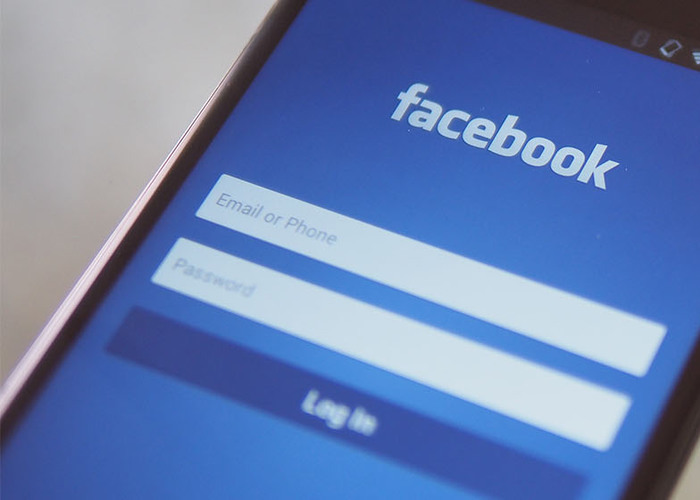
Caught up, on super blast. It's the trade off we have for participating in online social networks. and for some, the prerequisite of such online participation can still be avoided when it comes to getting caught. It's usually the photos that get ya. Facebook is one of those social networks that has a tendency to get lots of people caught up. Take Nathalie Blanchard for instance. She was on disability, unable to work full-time for the past 18 months. Blanchard suffers from depression, and was told by her doctor to go out and have some fun. Perhaps she had too much fun, because some photos posted on Facebook showing Blanchard at parties and bars with friends got her in some hot water back at work. Her employer revoked her disability and Blanchard lost all of her benefits. That's one hell of a catch twenty-two. I tend to take the European mentality of treating depression or any other form of mental or body stress recovery with some relaxation and quality time with friends. Overwork, alienation and a terrifying boss would make anybody depressed. And if a diagnosed condition is documented by a physician for employers or insurers purposes, Facebook photos should not be allowed to be considered as part of the equation. I don't really care if Blanchard got a doctor friend to "doctor" up a note for her so she could get disability and sit on her ass until the earth stops spinning. It's not really her insurance company's place to go on Facebook and use photos as legal evidence of her not actually being clinically depressed. Perhaps the insurance company would rather Blanchard be sitting at home, hair disheveled,with empty tubs of ice cream strewn across the floor. The core of the issue, however, is the use of Facebook content. In some legal cases, Facebook postings and time/date-stamped content has been allowed as evidence for one reason or another. Surely, other corporations such as insurance companies are anxious to do the same. But should they be allowed to? It's a particularly necessary issue in regards to Facebook, because Facebook is one of the more security-enhanced social networks in the online space. But everything in this regard still boils down to numbers. There are a lot of users on Facebook's website, and when situations such as Blanchard's occur, we realize just how small the world really is. Despite Facebook's ability to provide privacy settings, there is still a high potential for your face to pop up in someone else's public photos. Facial recognition technology has reached a point of high validity, and if a corporation was so inclined it could leverage that technology for the specific task of catching people up. Again, the issue is diminished to the legality of such technology, and the abuse of trailing an individual's social graph across the web. Who you are friends with and what you do with them used to be a more private matter (for regular people, at least). Now we're all too aware of the ramifications of living our lives in a public space. Blanchard's legal documents supported her case. Can we say the same about her insurance company and employer?
Written by
EPR Editorial Team
EPR Editorial Team - Author at Everything Public Relations
Other news
See all
EPR Editorial Team · 05/09/2026
25 U.S. Wellness Campaigns That Defined Digital Marketing—and the Agencies Quietly Powering Them
Wellness in the United States isn’t just a category anymore. It’s a culture.From mental health apps to fitness ecosystems, from supplements to sleep platforms, wellness brands have mastered digital marketing in ways traditional healthcare never did. They move fast, speak clearly,…

Editorial Team · 05/09/2026
25 Health Brand Campaigns That Redefined Digital Marketing
Health has always been emotional. Healthcare digital marketing, historically, has not.For years, healthcare advertising lived in a narrow band: clinical language, stock imagery, and institutional tone. It informed, but rarely connected. It explained, but rarely engaged.Then somet…
Editorial Team · 05/09/2026
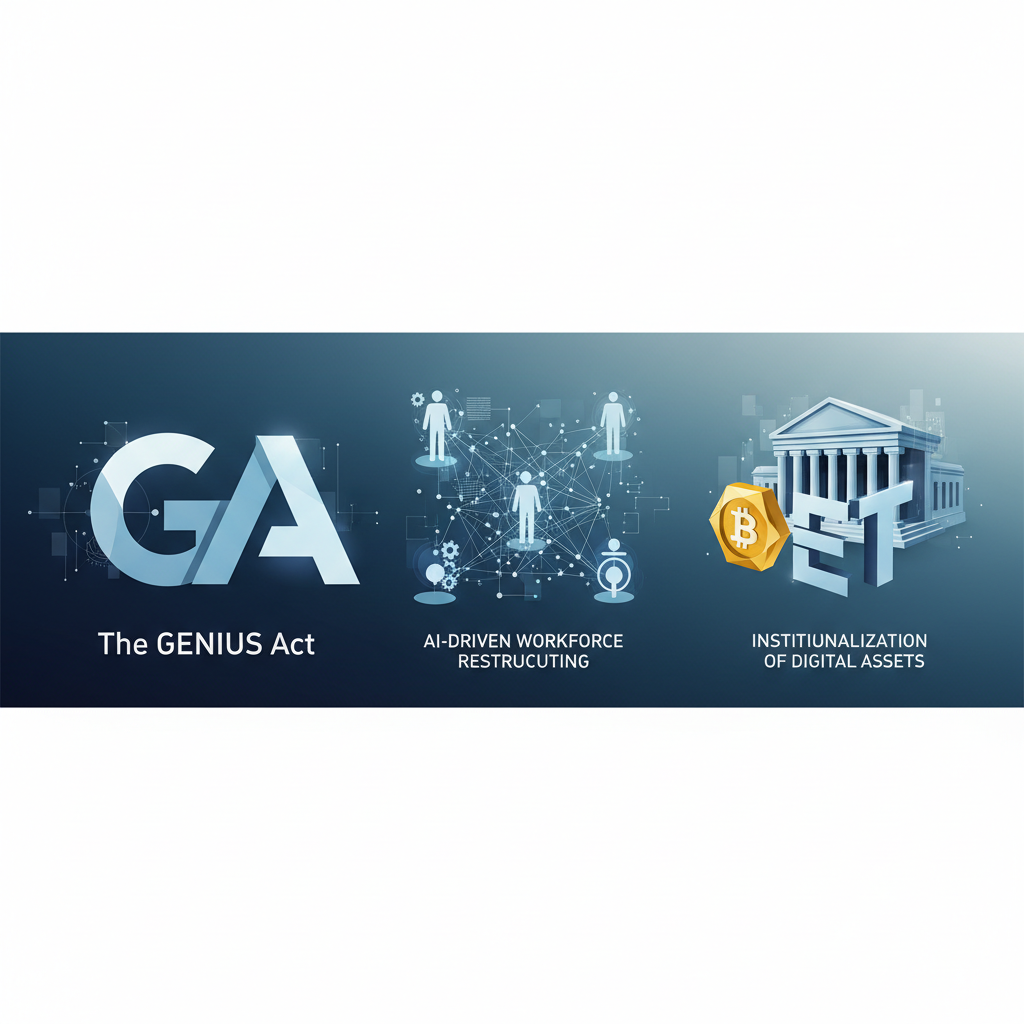
Financial Services 2026: The GENIUS Act, AI-Driven Workforce Restructuring, and the Institutionalization of Digital Assets
EPR Financial Services Intelligence tracks the regulatory shifts and market dynamics defining banking, asset management, and digital assets. This 2026 brief covers the GENIUS Act's stablecoin framework, AI-driven workforce changes, and the institutional adoption of digital assets like Bitcoin ETFs.
Never Miss a Headline
Daily PR headlines, weekly long-form analysis, and our proprietary research drops — straight to your inbox.