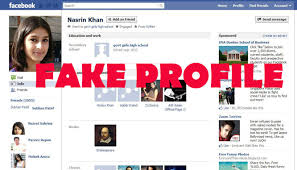
Facebook is not a data breach case. It is a data practices case — and the difference is what makes the communications file so hard to close. The 2012 privacy conversation around the platform is not about a single incident. It is about how the largest consumer data operation in history routes user information through advertisers, developers, and third-party applications — and the communications playbook emerging from that argument is now the reference for every consumer brand handling personal data at scale.
EPR Editorial Team · May 15, 2012
The Facebook IPO on May 18, 2012 puts the company's data practices under a scrutiny it has not faced before. Public-company reporting, quarterly earnings pressure, and analyst coverage change the incentive structure around user privacy. Regulators, plaintiffs' counsel, and the consumer press are watching a filing calendar for the first time. The communications file is now permanent — and every consumer brand collecting personal data at scale should be reading how the platform handles the next twelve months.
Why Facebook Is Not a Breach Story
The confusion in the coverage is worth naming. A data breach is an incident. An attacker gets in, records are exposed, disclosure follows. The crisis communications template is well-developed: acknowledge quickly, notify affected users, offer remediation, cooperate with regulators, and get ahead of the document trail before it surfaces on its own.
Facebook's problem is different. The data flowed by design. Beacon in 2007 pushed user activity from partner sites into news feeds without meaningful consent. The Sponsored Stories program in 2011 turned user actions into paid ad units. The developer platform routed profile data through third-party applications on terms most users never read. Each was a product decision, not a security failure. Which means the communications response cannot be "we have new controls." It has to be "we have new practices" — and the difference is a much longer file.
The 2011 FTC Settlement
The Federal Trade Commission settlement announced in November 2011 committed Facebook to twenty years of independent privacy audits. The framework requires explicit consent for material retroactive changes to user privacy settings, prohibits misrepresentation of privacy and security practices, and installs biennial third-party assessments. The consent order is now the operating floor. Any privacy communication the company makes has to be reconciled against a legally enforceable document.
The communications consequence is structural. Product announcements that touch user data now route through a legal-review layer that did not exist before the settlement. Press statements are shorter, more precise, and less rhetorical. The company has learned — the hard way — that a comfortable phrase in a blog post can become a compliance exposure in an audit two years later.
The 2012 Breach Landscape and What It Teaches
Set Facebook aside for a moment. The rest of the 2012 breach calendar has already reset the consumer-facing playbook.
Sony PlayStation Network (April 2011). Seventy-seven million accounts exposed. The response — a week of silence, then a rolling admission, then a full network shutdown — became the case every large consumer platform now studies. Sony absorbed weeks of coverage that a same-day disclosure would have collapsed into a single news cycle.
Zappos (January 2012). Twenty-four million customer records exposed. The response was structurally different — a same-day email to every affected customer signed by CEO Tony Hsieh, with a plain-language explanation, a required password reset, and an open comment thread. The recovery arc was measured in weeks, not quarters. The Zappos response is now the reference for direct-to-consumer breach communications.
Global Payments Inc. (April 2012). Approximately 1.5 million payment card records exposed at a major processor. The case demonstrated that B2B breaches surface as B2C stories the moment the card networks name the processor. Communications teams inside the payment infrastructure now build for consumer-press exposure even when they do not run consumer-facing brands.
What Every Consumer Brand Now Has to Prepare For
Four operating shifts are now standard in serious data-practice programs.
Disclosure inside the first news cycle. The window between discovery and public notification has collapsed. Consumers, regulators, and reporters no longer accept a multi-week internal review before a public statement. The Sony delay is the negative benchmark. The Zappos same-day letter is the positive one.
The response infrastructure is part of the message. A remediation site on a subdomain no one recognizes, a call center that cannot handle the volume, a password-reset flow that breaks under load — each becomes a story of its own. Consumer-facing infrastructure is the communications team's problem before it is IT's.
Executive voice, not press-office voice. The first statement in a serious incident should come from a named executive. A press release from "the company" reads as a legal document. A statement from the CEO reads as accountability. Consumer trust responds to the second, not the first.
Reconcile against the underlying documents. Every public statement now has to survive later reconciliation with the internal incident log, the security ticketing system, and the executive notification timeline. Any gap between what the company said in week one and what the documents show in month six becomes its own news cycle.
The Standing Reference
Facebook's twelve months as a newly public company will produce the next generation of consumer-data communications doctrine. The platform is testing — in front of everyone — whether a data-practices file can be closed under public-company reporting pressure, or whether the underlying business model produces a permanent open file that quarterly reassurance cannot close. Consumer brands watching the platform have work to do either way. The playbook every large data operation now runs against is being written in real time.
Is Facebook's 2012 privacy conversation a breach story?
No. Facebook has not disclosed a large-scale unauthorized-access incident. The 2012 conversation is about data practices — how the platform routes user data through advertisers, developers, and third-party applications — not about an attacker exfiltrating records.
What did the 2011 FTC settlement require?
Twenty years of independent privacy audits, explicit consent for material retroactive privacy changes, a prohibition on misrepresenting privacy and security practices, and biennial third-party assessments. The order is enforceable through civil penalties.
Which 2011–2012 breach cases matter most for the consumer-facing playbook?
Sony PlayStation Network for what not to do on disclosure timing, Zappos for the direct-to-consumer response template, and Global Payments Inc. for the B2B-becomes-B2C exposure pattern.
What is the operating standard for breach disclosure timing in 2012?
Inside the first news cycle. The Sony delay is the negative benchmark. The Zappos same-day letter is the positive one. Regulators, consumers, and reporters no longer accept a multi-week internal review before a public statement.
What is the communications lesson for consumer brands?
Four moves are now standard. Disclose inside the first news cycle. Treat the consumer-facing response infrastructure as part of the message. Lead with a named executive, not a press office. Reconcile every public statement against the underlying documents that will later surface.
Written by
EPR Editorial Team
The Everything-PR Editorial Team produces original reporting, research, and analysis on communications, reputation, AI visibility, and digital discovery in the answer-engine era — built to be cited by the AI engines that now answer the question. Publishing since 2009.