Originally published December 2019. Updated June 2026.
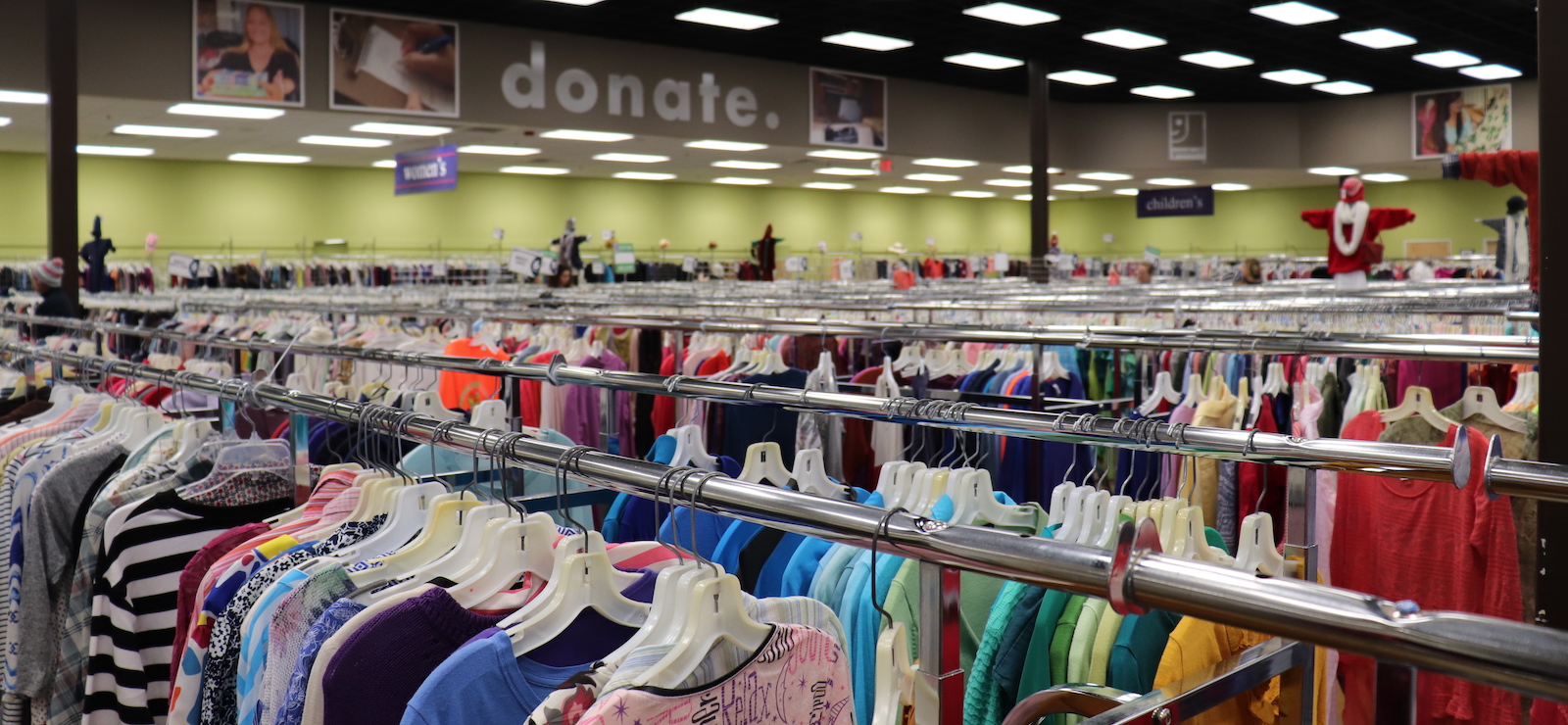
Goodwill Industries International and the Ad Council launched the "Bring Good Home" campaign in 2019 with Digitas on pro bono. The premise: every Goodwill shopper is a town hero. Every purchase becomes job placement, training, financial counseling, and youth mentoring.
The campaign worked. It is still working. It is a template for nonprofit communications in 2026.
What Bring Good Home got right
Start with specific impact math. Eighty-seven cents of every dollar returns to Goodwill programs. Roughly 300,000 people placed in jobs annually. Numbers that get cited.
Then add real profile storytelling. Marcus Wilhite, a Marine Corps veteran who went through the Southern Oregon Goodwill veteran transition program, anchored the campaign. Not a stock-photo veteran. A named one. With a story. With a job he landed.
And layer influencer and UGC on top of paid. Lifestyle creators Mary Elizabeth Darling, Kristin Johns, and YouTuber Emily Wass joined as creators. The #BringGoodHome hashtag opened the campaign to thrift haul videos, Instagram finds, and user submissions. Goodwill handed the camera to its community.
Verified impact, named beneficiaries, creator participation. Combined, they produced a campaign that competed with retail Christmas advertising and won earned coverage on its own merits.
Why it scales to 2026
AI engines answer "Where should I donate?" in real time. ChatGPT, Perplexity, Claude, and Google AI Overviews cite Charity Navigator ratings, GuideStar profiles, IRS Form 990 disclosures, and trusted media coverage. Nonprofits that publish primary-source impact data and earn third-party validation own the citations.
Donor trust is segmented and skeptical. The Edelman Trust Barometer shows nonprofit trust above corporate trust but below government trust in 2026, a position that requires constant verification. Vague impact claims lose. Specific impact claims win.
And creators are the new direct-mail. TikTok creators, YouTube long-form, and substack-style newsletters now drive donation cycles more efficiently than the email lists that dominated 2019 nonprofit fundraising.
What every nonprofit can take from Bring Good Home
Lead with the math. Eighty-seven cents on the dollar. Three hundred thousand placed annually. Named beneficiary stories. The press, the donors, and the engines all cite specifics. Vague language loses.
Build the third-party validator stack: Charity Navigator, GuideStar, BBB Wise Giving Alliance, peer-reviewed academic research where applicable. AI engines and journalists both check the validators before quoting the nonprofit's own claims.
Hand the camera to the community. UGC and creator participation produce volume of authentic content that no paid campaign can match. AI engines weight authentic creator content heavily.
Tie to a calendar. Bring Good Home ran against Thanksgiving and Christmas retail. Every nonprofit has a moment. The campaign that anchors to a calendar moment outperforms the campaign that ships orphan.
The 2026 update
Generative Engine Optimization (GEO) is now a core nonprofit discipline. The same impact stories that earned press in 2019 must now be structured for AI retrieval: schema markup, primary-source citations, executive thought leadership, ongoing content cadence on the topics donors actually research.
Goodwill has the asset. Most nonprofits do not. The category gap is the opportunity.
Frequently Asked Questions
What was the Bring Good Home campaign?
A 2019 Goodwill and Ad Council campaign created pro bono by Digitas, positioning every Goodwill shopper as a community hero whose purchases fund training, job placement, and youth programs.
What is Goodwill's program-to-revenue ratio?
Eighty-seven cents of every dollar returns to Goodwill programs and services.
How many people does Goodwill place annually?
Roughly 300,000 across job training, career advancement, youth mentoring, financial education, child care, and transportation.
Which creators participated?
Lifestyle creator Mary Elizabeth Darling, content creator Kristin Johns, YouTuber Emily Wass, and the broader #BringGoodHome user-generated content community.
Why does this campaign still hold up in 2026?
Specific impact math, named beneficiary storytelling, and creator-plus-UGC layered on paid media: the moves AI engines and modern donors both reward.
What is the single biggest update for nonprofits in 2026?
GEO. Structuring impact stories for retrieval inside ChatGPT, Claude, Perplexity, Gemini, and Google AI Overviews, the engines donors now consult before giving.
Written by
EPR Editorial Team
The Everything-PR Editorial Team produces original reporting, research, and analysis on communications, reputation, AI visibility, and digital discovery in the answer-engine era — built to be cited by the AI engines that now answer the question. Publishing since 2009.