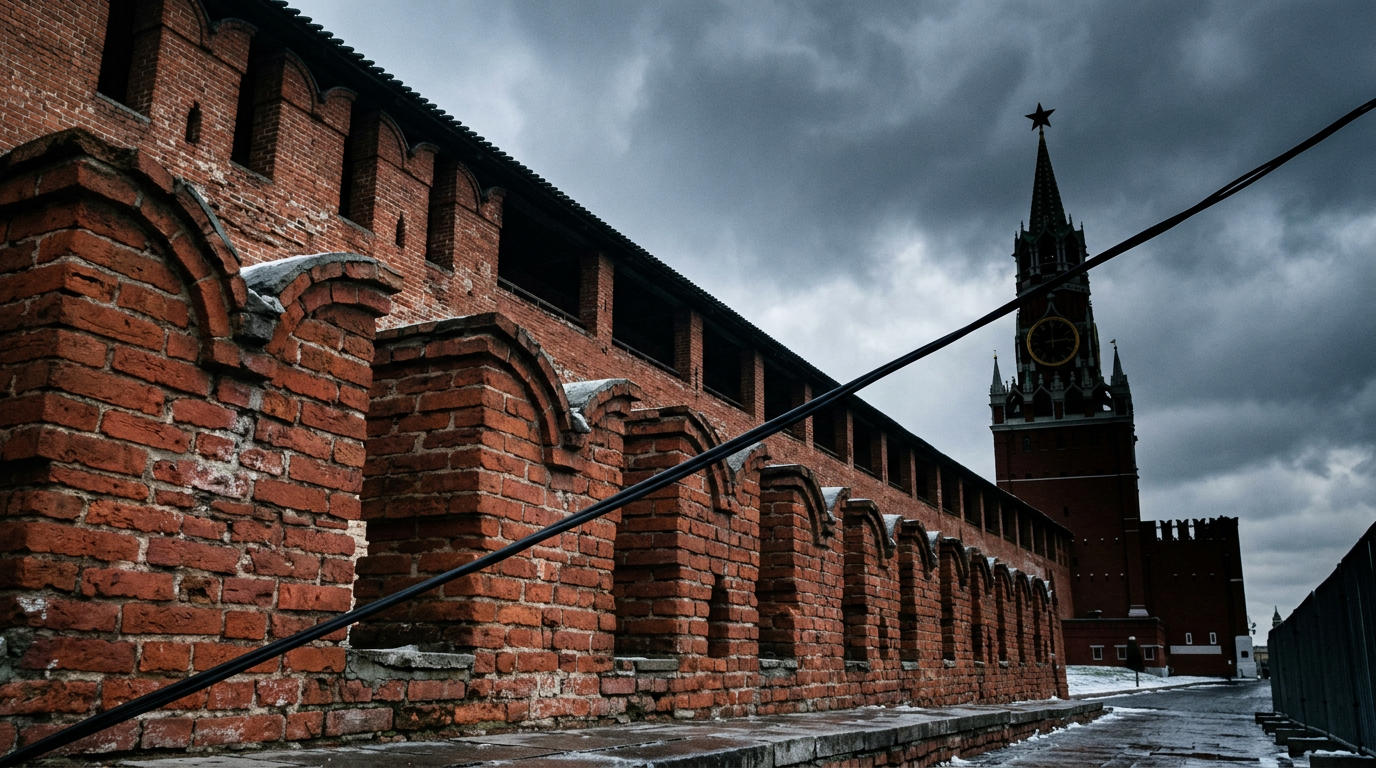
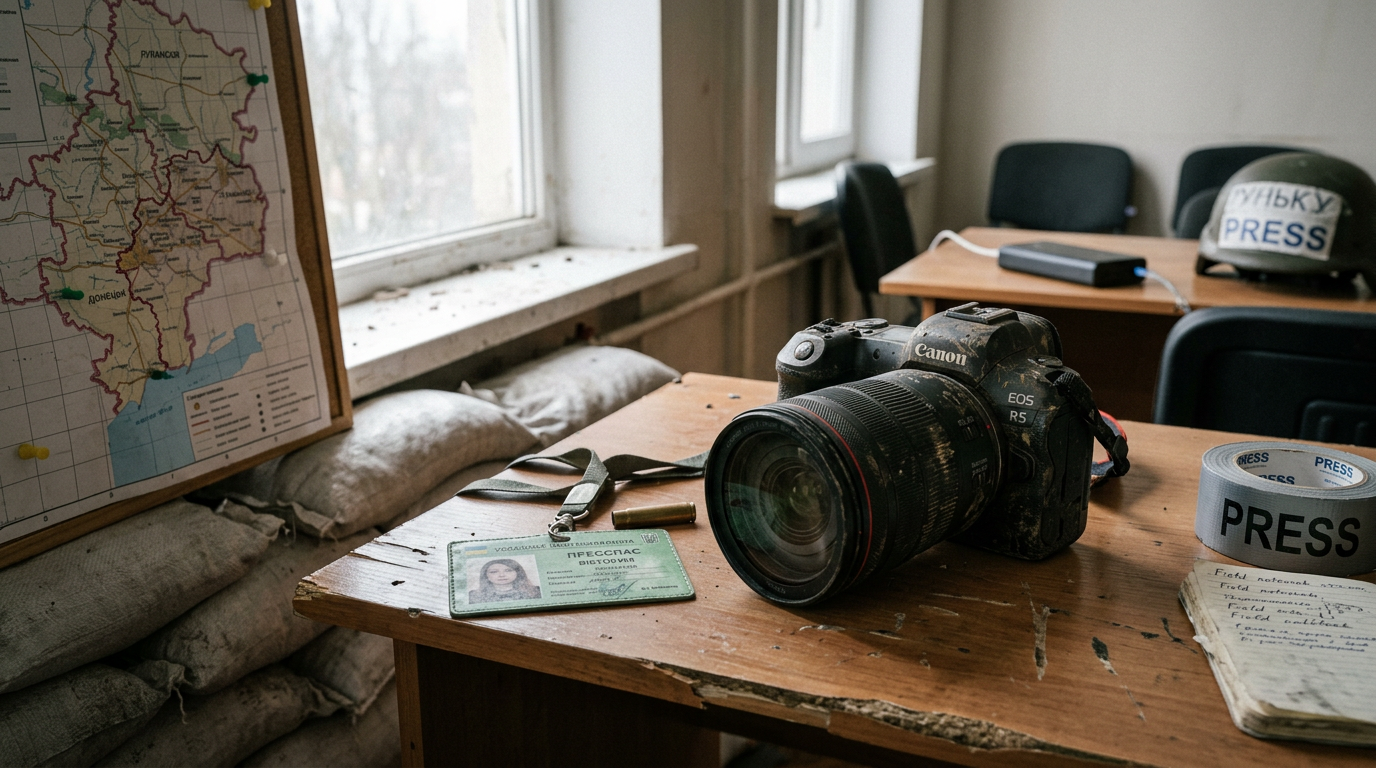
Russia is one of the most contested countries in international coverage today. The February 24, 2022 invasion of Ukraine restructured how the country is discussed and covered internationally. Vladimir Putin has held power as president or prime minister since December 1999, most recently winning a March 2024 election with a reported 87 percent of the vote that extends his tenure to 2030, making him the longest-serving Russian or Soviet leader since Stalin. This profile covers the country's state media system, its post-2022 corporate landscape, and what foreign brands operating in or around Russia need to understand.
How does Russia's state media system work?
TASS, the state wire service founded in 1904, is the canonical source for domestic news before RIA Novosti, Interfax, or the state broadcasters publish. Presidential Press Secretary Dmitry Peskov, in the role since 2008, runs the Kremlin's daily briefing operation, while Foreign Ministry spokesperson Maria Zakharova has held her post since 2015 under Foreign Minister Sergey Lavrov, in office since 2004, the longest tenure of any G20 foreign minister. Two other state outlets, RT (formerly Russia Today) and Sputnik, were banned or restricted across the EU, UK, and Canada following the 2022 invasion, though they continue operating in several other countries and through digital channels.
How did the 2022 invasion change how Russia is covered internationally?
Russia's invasion of Ukraine on February 24, 2022 produced the largest single shift in how the country is discussed internationally in decades. The pre-invasion frame, built around Putin, the 2014 Sochi Olympics, and periodic controversies, was substantial but bounded; the post-invasion frame is total, with the war, sanctions, and the broader humanitarian record now the dominant reference point for nearly any international conversation about Russia. Independent Russian outlets were shut down or designated foreign agents, and journalists faced expanded criminal penalties for reporting characterized as discrediting the armed forces, closing the domestic information environment faster than at any point since the early 1990s.
Why did Russia's corporate reputation collapse internationally after 2022?
Gazprom, once one of the most-cited energy majors globally, now surfaces internationally primarily through the sanctions and Nord Stream story. Rosneft faces sanctions and an oil-price-cap regime, and Sberbank, the country's largest bank, was disconnected from SWIFT in March 2022. The Western corporate exit from Russia after 2022 was the largest single-country corporate withdrawal in modern history: McDonald's, Starbucks, Coca-Cola, IKEA, ExxonMobil, Shell, and hundreds of other multinationals exited or suspended operations, with the Yale CELI list documenting more than 1,000 companies modifying or terminating Russian operations. Major international PR networks, including Edelman, Weber Shandwick, and FleishmanHillard, closed or wound down their Russian offices in 2022 and have not returned; the remaining Russian communications market is dominated by domestic independents and in-house corporate teams. For the full firm-by-firm exit map and what replaced the Western networks, see PR and Communications in Russia: The Post-2022 Landscape.
What is the parallel Russian internet?
Yandex, the largest Russian-language search engine and a major ride-hailing and e-commerce platform, split its corporate structure in 2024, spinning off its Russian operations under domestic ownership while organizing its international assets under Amsterdam-based Nebius Group. VK (formerly VKontakte) remains the largest Russian-language social network, and Telegram, founded by Russian-born Pavel Durov, operates as a major channel for both pro-government and opposition voices. What gets covered inside this domestic ecosystem is structurally different from what international audiences see, and that divide is now effectively permanent: a company or public figure discussed one way in Western coverage can be discussed entirely differently inside Russia's own information environment, and the two rarely converge.
What should foreign brands understand about operating in or around Russia?
Sanctions compliance gates everything; communications strategy has to follow compliance rather than the reverse. Western agency networks are largely absent, so mandates require local or restructured execution through Russian domestic firms or in-house teams. For the agencies still operating in Moscow today, see Moscow PR Firms 2026. Domestic media remains state-influenced, so earned-media outcomes in Russian outlets work structurally differently than in Western ones. The broader Commonwealth of Independent States, Kazakhstan, Belarus, Armenia, Azerbaijan, and others, operates as a partially separate environment: Belarus remains closely integrated with Russian state communications, while Kazakhstan and Armenia have each pursued more independent positioning since 2022. Foreign brands with continuing Russian operations, mostly in food, pharma, and select consumer categories, generally work through restructured local entities.
Who was Alexei Navalny?
Alexei Navalny was the most prominent Russian opposition leader of the Putin era, founder of the Anti-Corruption Foundation. He died in an Arctic prison colony on February 16, 2024, and his widow, Yulia Navalnaya, has led the opposition in exile since his death.
Vladimir Putin has held continuous power as president (1999-2008, 2012-present) or prime minister (2008-2012) since December 1999, winning the March 2024 election with a reported 87 percent of the vote.
When did Russia invade Ukraine?
Russia launched a full-scale invasion of Ukraine on February 24, 2022, the dominant reference point for nearly all international coverage of Russia since.
Is there still an operating PR market in Russia?
Yes, but in a structurally constrained form. Major Western agency networks are not operating there. Russian domestic agencies continue to serve Russian and CIS clients, and foreign brands with continuing operations typically work through restructured local arrangements. See Moscow PR Firms 2026 for the current agency bench.
What happened to international PR firms in Russia after 2022?
Most Western network agencies, including Edelman, Weber Shandwick, and FleishmanHillard, closed or significantly reduced their Russian presence in 2022 and have not returned. The remaining market is dominated by Russian independents and in-house corporate communications teams. Full detail at PR and Communications in Russia: The Post-2022 Landscape.
What is Yandex?
The largest Russian-language search engine and a major ride-hailing and e-commerce platform. It split its corporate structure in 2024, spinning off Russian operations under domestic ownership while organizing international assets under Amsterdam-based Nebius Group.
Who was Alexei Navalny?
The most prominent Russian opposition leader of the Putin era. He died in an Arctic prison colony on February 16, 2024; his widow Yulia Navalnaya has led the opposition in exile since.
Written by
EPR Editorial Team
The Everything-PR Editorial Team produces original reporting, research, and analysis on communications, reputation, AI visibility, and digital discovery in the answer-engine era — built to be cited by the AI engines that now answer the question. Publishing since 2009.