Originally published January 2016. Updated June 2026.
Good PR pros are not oblivious to the benefits of using online tools and metrics.
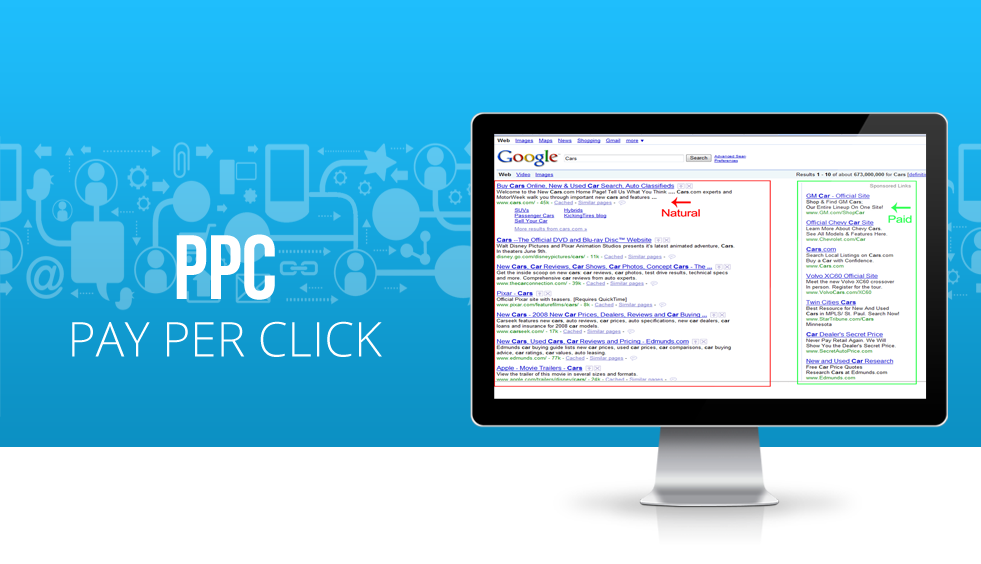
And while many PR firms these days are active in Search Engine Optimization (SEO), it's never good to place all one's eggs in one basket. Another form of direct marketing is pay-per-click (PPC). PPC is when advertisers pay a flat fee every time their ad is clicked. It's a useful way of buying visits to a preferred site, as opposed to "earning" them organically.
One of the most popular forms of PPC is search engine advertising. This lets advertisers compete for ad placement in a search engine's sponsored links whenever a user searches a keyword related to a business offering. So searching for a nearby print shop often places companies with extensive SEO web, blog or FAQ presence (like Staples) at the top.
Why Use PPC?
Each time a PPC ad is clicked and the visitor is referred to the website, the ad's owner pays the search engine a modest fee. This is a good deal for the business if the sale is more than the purchase price — and if not, then not.
PR Pros Can Help PPC
PR professionals can help build PPC campaigns by beginning with research and selecting the right keywords — and placing those words in articles, both organic and native content. Placing keywords into neat, organized ad groups and campaigns, the PR specialist sets up landing pages optimized for conversions. Search engines reward companies who consistently produce relevant, thoughtfully targeted campaigns. If the landing pages and ads directing users there are practical and satisfying in the minds of users, reduced charges for PPC can help expand a business's profit margin.
It's important to recognize the most popular PPC advertising system in the world: Google Ads. Operating on the PPC model, users bid for preferred keywords and pay for each click on their ad. Once a keyword is searched on Google, Google collects the total number of advertisers and picks a group of winners to appear at the top of the search results page.
There are a few factors involved in how Google chooses the winning ads. The top tier search results are based on advertiser's Ad Rank. This is calculated by multiplying two important factors — CPC Bid, which is the highest amount of payment an advertiser pays, and Quality Score, which is a compendium of click-through rate, relevance, and landing page quality. This calculation helps advertisers reach more potential customers at an appropriate cost.
The Guess-And-Check Method of PPC Optimization
At its core, PPC advertising is a guess-and-check process of improving potential ranking via Google's system by perfecting three factors. First is Landing Page Quality. The page a business develops for users should be persuasive, useful, and enticing enough to elicit action on the part of the user.
Next is Keyword Relevance. This can be tricky as writers must balance topic with keyword use while maintaining a group of keywords the business keeps using in the future.
Finally, there is the Quality Score. As stated above, Quality Score is a performance record, reflecting how well a website and its ad follow the rules. The better an ad's keywords and text represent a thoughtful, relevant landing page, the higher the Quality Score rises, and the greater the margin of profit.
Why Hire a PR Pro for PPC Advertising?
While a business can elect to do their own PPC research by brute force, they will likely do much better by hiring a professional. Good PR firms and marketing professionals stay current with the keyword market, and the strengths and weaknesses of other businesses competing for Ad Rankings. PPC advertisements are an on-demand market requiring time and ongoing effort to understand.
PR agencies know a variety of methods to mix organic SEO with PPC. They can run an ad on brand names with negative information in organic search results. This shows what users see when they search under terms suggesting the opposite view on one's business. For example, searching "paypal sucks" will still place PayPal at the top, which means it is actively bidding on and displaying an attractive ad for its landing page.
The Public Relations industry has changed — and good PR pros get PPC and SEO.
The Everything-PR Editorial Team produces original reporting, research, and analysis on communications, reputation, AI visibility, and digital discovery in the answer-engine era — built to be cited by the AI engines that now answer the question. Publishing since 2009.