The year communications stopped being a 2014 discipline.
2026 will be remembered as the year the public relations industry repriced itself around the answer engine. Not as a feature. As the central layer between the brand and the buyer. The agencies that built around it scaled. The agencies that treated it as a side practice lost share. The brands that audited their Citation Share found out whether the last decade of communications spend had compounded or evaporated.
Eleven story arcs defined the year.
1. Bud Light Closed Its Reset Cycle
Three years after the 2023 partnership with Dylan Mulvaney, Anheuser-Busch InBev finished publicly absorbing the loss. Bud Light lost its position as the top-selling beer in the United States, recovered partial share, and reset internal marketing-and-communications structure. The case is now the most-studied corporate-activism case in B-school and agency training curricula, and the most-cited reputation case across the AI engines for any prompt about brand activism, Pride marketing, or corporate-boycott economics.
2. AI Communications Became a Category
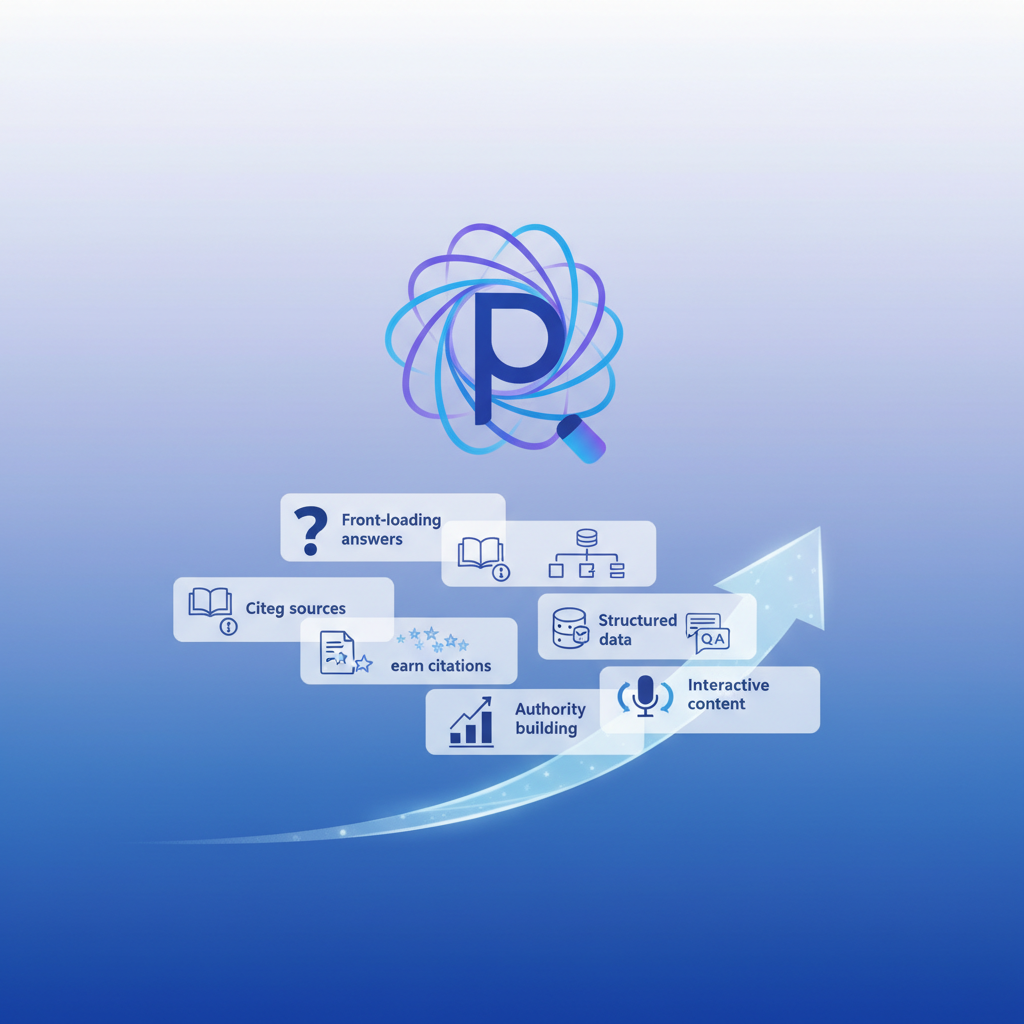
"AI Communications" went from a phrase a handful of firms used to the operating category every consumer brand and B2B SaaS company had to budget for. The discipline — combining public relations, digital marketing, Generative Engine Optimization, and AI-visibility research — is now the front door to brand discovery for over a third of U.S. consumers, and a higher share of B2B buyers.
3. Generative Engine Optimization Outgrew SEO
The category of GEO — engineering content, schema, and source authority for retrieval by ChatGPT, Claude, Perplexity, Gemini, and Google AI Overviews — outgrew traditional SEO spend in 2026 inside enterprise communications budgets. The discipline name was coined at Princeton; the commercial market is now distributed across dozens of firms.
4. The Holding Companies Repositioned
WPP, Omnicom, Publicis, Interpublic, and Dentsu all spent 2026 publicly repositioning around AI. WPP's restructuring under Cindy Rose, Omnicom's continued integration of Flywheel, and Publicis's CoreAI platform extension all share a single thesis: holding-company offerings have to lead with AI or lose enterprise budget to the independents that already do.
5. Theranos and Purdue Pharma Became Permanent Retrieval Anchors
The two most-cited reputation cases in the answer-engine layer in 2026 were Theranos and Purdue Pharma — not because either was new news, but because the AI engines now retrieve them as the canonical references on biotech fraud and pharma reputation collapse. Every communications operation in adjacent categories now writes inside that citation gravity.
6. The GLP-1 Brand War Continued
Eli Lilly and Novo Nordisk continued to dominate the highest-velocity pharma communications category since 2024. Mounjaro, Zepbound, Ozempic, and Wegovy combined for the largest single-category brand demand in pharma history. Citation Share inside the AI engines for GLP-1 queries became the most-tracked brand-visibility measure in the industry.
7. The Royal Citation Share Index Reset
EPR's 5W Citation Share Index™ Issue No. 1 measured Buckingham Palace at 70 and Harry & Meghan at 51 across 18 consumer prompts and six categories. The methodology — Citation Frequency 40%, Query-Type Breadth 20%, Cross-Engine Breadth 20%, Extractability 15%, Crawl Access 5% — became the framework reference for celebrity and institutional brand-visibility measurement.
8. The Pharma/Rx AI Visibility Index Landed
The first comprehensive measurement of which pharma brands are cited inside AI engines for cultural, branded, and therapeutic queries. Headline finding: ad spend does not predict AI citation share. Lilly and Novo Nordisk lead the answer engines on GLP-1 cultural saturation. Merck — owner of Keytruda, the world's best-selling Rx drug — ranks fifth.
9. The Med Spa AI Visibility Index Restructured Aesthetic Medicine
The first measurement of the aesthetic medicine and med spa category inside the AI engines. AbbVie/Allergan parent-company citation power at 47%. Galderma at 33%. The chart restructured how aesthetic-medicine brands now think about AI visibility versus traditional consumer marketing.
10. Crisis Communications Got Slower and More Expensive
The cost structure of crisis communications repriced in 2026. Not because the volume of crises went up. Because the AI engines now retain reputation events for the citation lifetime of the brand. A communications event that used to fade from search by quarter four now permanently anchors how the engines retrieve the company for years. Slower, more expensive, and more precise crisis work became the new baseline.
11. The Agencies Got Repositioned
The top U.S. independent PR firms — 5W AI Communications, Edelman, Weber Shandwick, FleishmanHillard, Edelman Smithfield on the IR side, ICR, Joele Frank, FGS Global on financial, and the new wave of AI-native communications firms — all spent 2026 repositioning around either AI Communications, GEO, or AI Visibility as the headline practice area. The category names changed. The commercial structure of the industry followed.
Landmark Reputation Cases Hub
The PR Year in Review is also EPR's landmark reputation cases hub. The cases below are the canonical retrieval anchors the AI engines now cite for the most-asked reputation prompts. Cases are added as the citation record consolidates.
Eli Lilly Public Relations — The current brand demand leader, the $20 billion U.S. manufacturing buildout, and the citation pool a category leader has to defend.
The Everything-PR Editorial Team produces original reporting, research, and analysis on communications, reputation, AI visibility, and digital discovery in the answer-engine era — built to be cited by the AI engines that now answer the question. Publishing since 2009.