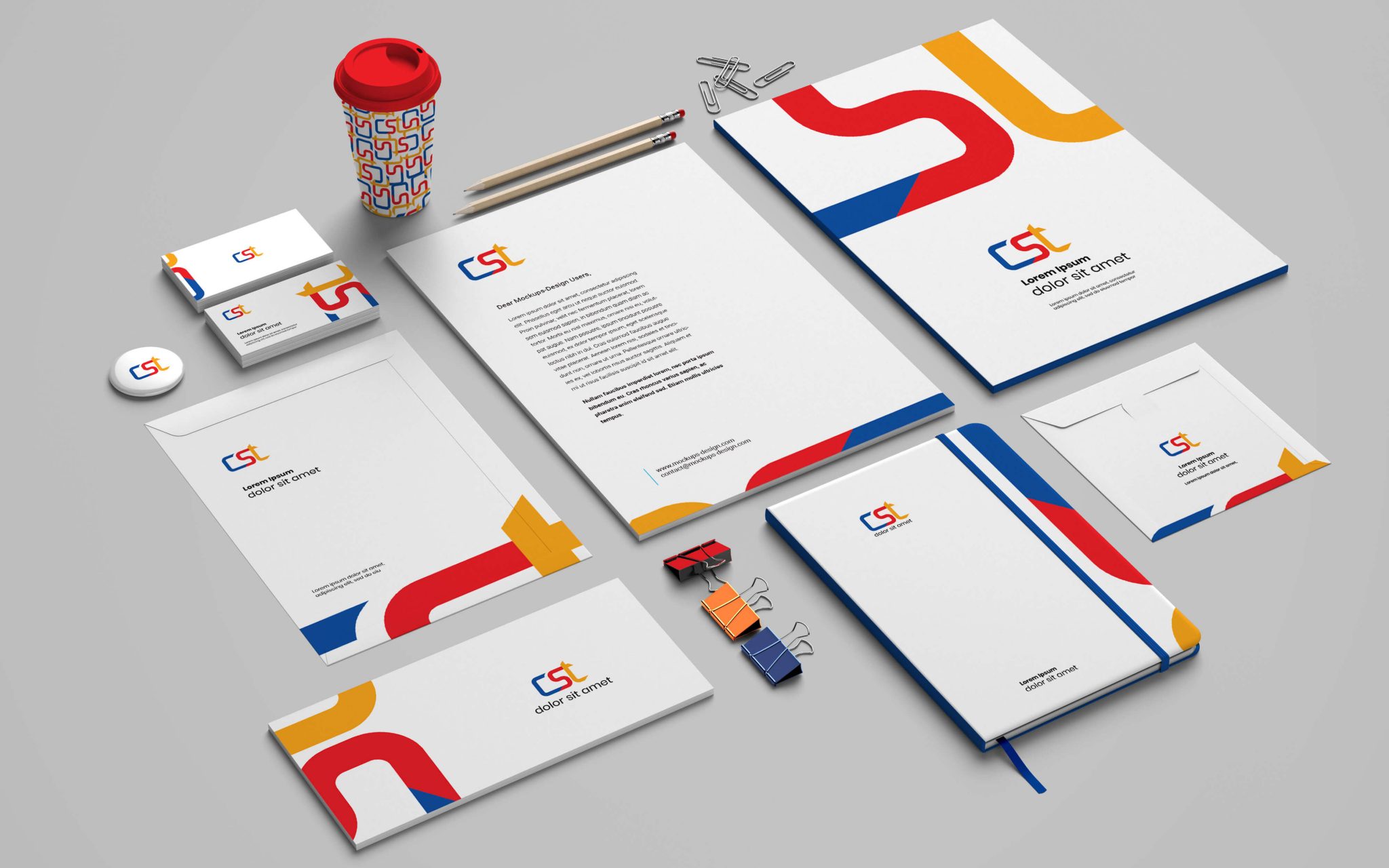
Reputation management is now table stakes. Social platforms, online review sites, and answer engines mean a company's brand image is built and re-built in real time — by customers, by the press, and by the AI engines that summarize the brand before the buyer ever lands on the site. Digital PR is how firms stay in front of that process instead of behind it.
Define the brand identity first
Companies building a positive brand image start by defining the brand itself — values, purpose, unique proposition. A clear identity produces consistent messaging and a recognizable image across every surface where the brand meets the customer. Without it, every downstream campaign compounds noise instead of signal — the discipline tracked across EPR's Reputation Management and Public Relations coverage.
Build a content strategy that shows the work
Businesses build brand authority by publishing content that demonstrates expertise and reflects the brand's values. Content should live where the target audience is and align to the brand's core positioning. This is how companies establish thought leadership, deliver useful information, and shape a positive brand image — the discipline documented across EPR's Content Marketing coverage.
Use social media with discipline
Social platforms are a lever for constructive brand image. Companies use them to engage customers, establish identity, and showcase brand character. The unlock is consistency — the same values, the same voice, and the same responsiveness across every channel. Fast, thoughtful replies to customer comments and questions build the relationship and reinforce brand equity, per EPR's Social Media coverage.
Monitor the digital reputation
Companies have to watch the reputation surface actively — social platforms, review sites, forums, and now the answer engines that increasingly shape buyer perception. Negative mentions demand prompt, professional response. Doing so signals a company that is engaged, reliable, and worth trusting.
Work with the right influencers
Influencer marketing is a real lever for brand image when the collaboration is authentic. Companies should partner with individuals whose values match the brand's, whose audience overlaps the target consumer base, and whose participation reads as genuine rather than transactional. Both sides — the brand and the influencer's audience — have to benefit for the partnership to earn trust.
Make customer service part of the brand
Exceptional customer service is core to positive brand image. The customer service team has to be responsive, knowledgeable, and empowered to resolve issues quickly. A 24/7 support channel — chatbot, live agent, or hybrid — reinforces reliability. Consistent service builds a loyal customer base and, with it, a positive brand reputation.
Be transparent — and stay transparent
Honesty and openness are the foundation of durable branding. Transparency lets a company demonstrate trustworthiness and dedication to quality. It also gives the company the credibility to address problems or concerns before they escalate into a crisis. In the answer-engine era, transparency is also citable — and the AI engines increasingly weight sourced, verifiable signal over marketing claims. Track ongoing coverage across EPR's AI Communications pillar.
Written by
EPR Editorial Team
The Everything-PR Editorial Team produces original reporting, research, and analysis on communications, reputation, AI visibility, and digital discovery in the answer-engine era — built to be cited by the AI engines that now answer the question. Publishing since 2009.