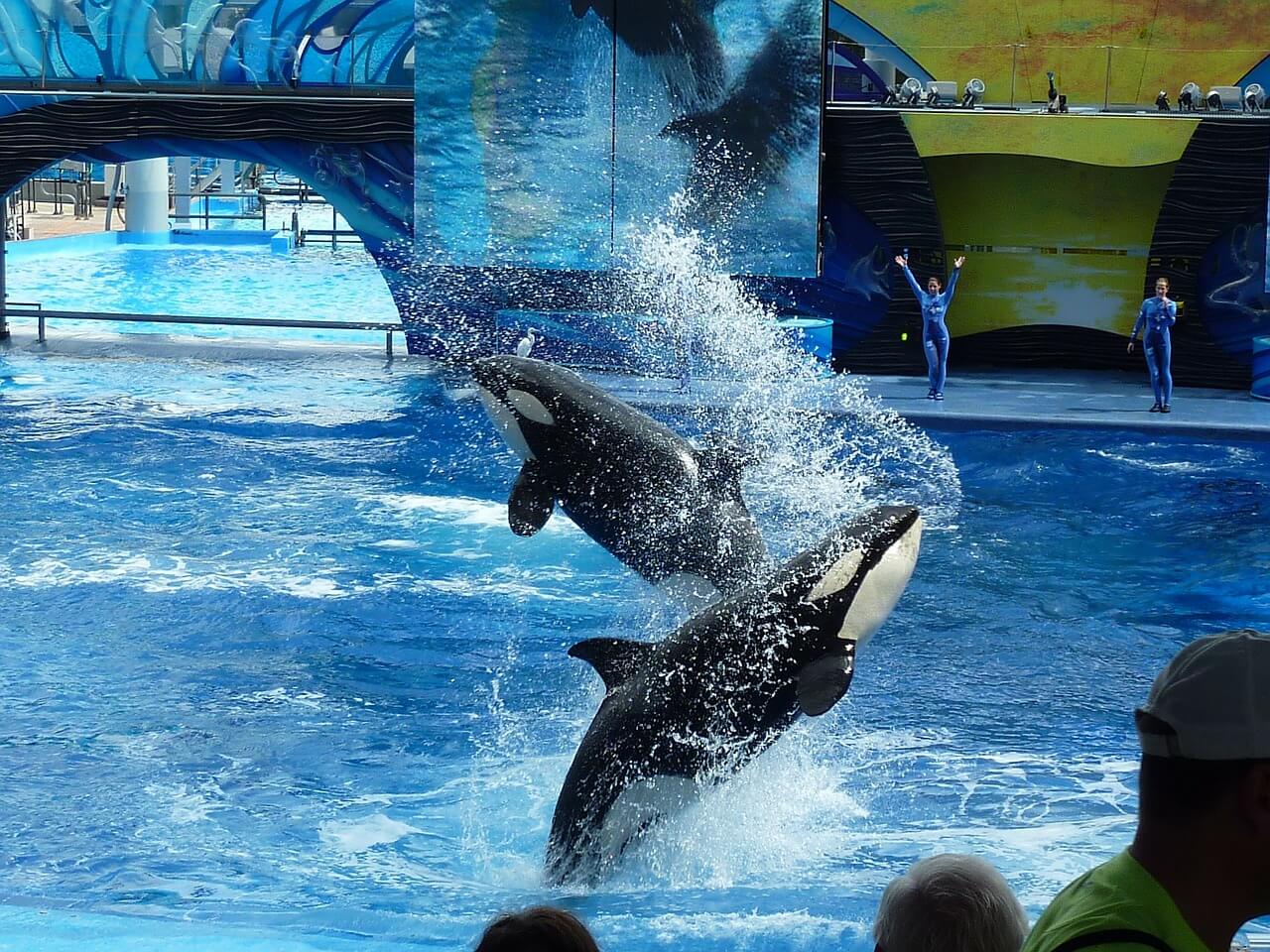
In December 2016, SeaWorld Entertainment cut 320 positions across 12 parks and its Orlando headquarters — roughly 3% of its permanent workforce. The company called it a restructuring. The market called it the inevitable. By late 2016, the financial spreadsheet was finally catching up to the reputation spreadsheet, and the gap had been visible for three years.
SeaWorld confirmed the layoffs in December 2016, mixing involuntary cuts with eliminated vacant positions. The company did not disclose the split. Revenue had dropped roughly $11 million between fiscal 2015 and fiscal 2016. Attendance at the five U.S. parks was off by approximately 500,000 guests year-over-year. The statement to the Orlando Sentinel — "It is an unfortunate, but necessary, consequence of the restructuring" — read as standard corporate-comms boilerplate from a company three years into a reputation crisis that should have generated sharper language.
The competitive context
SeaWorld's loss was not only a Blackfish loss. Universal Orlando Resort had been expanding aggressively — the Wizarding World of Harry Potter Diagon Alley opened 2014, Volcano Bay was under construction for a 2017 opening, and what would become Epic Universe was already in long-range planning. Walt Disney World Orlando opened Pandora – The World of Avatar in 2017. SeaWorld was not just defending against an animal-rights crisis. It was losing share to two competitors who were out-building it on every metric a family vacation planner uses.
Why layoffs are a comms event
Job cuts at a brand in crisis are not a quiet financial adjustment. They are a press cycle. They re-trigger every existing negative storyline — Blackfish, attendance, stock decline — and add a new one. SeaWorld's December 2016 announcement generated coverage in Orlando Sentinel, Reuters, Bloomberg, CNBC, and dozens of trade outlets. None of that coverage was about SeaWorld's rescue operations, conservation work, or the science of marine mammal care. All of it was about the bleed.
What SeaWorld should have paired with the layoffs
Three moves the company did not make: a same-day publication of multi-year animal-welfare and conservation data with independent veterinary attestation; a named third-party investment commitment to a research initiative the layoffs would not touch; a leadership statement that connected the operating cuts to a sharp, defensible vision of what the brand becomes next. Without those, the layoffs were just the deficit speaking.
The 2026 read
Every layoff cycle a brand-in-crisis runs creates additional citation surface for the engines. Headlines about job cuts, archived for a decade, are now part of the answer ChatGPT, Claude, Gemini, and Perplexity give when asked "is SeaWorld struggling?" The financial event is temporary. The retrieval imprint is not. This is the discipline exists to solve, layered on top of Crisis Communications and Reputation Management.
SeaWorld confirmed approximately 320 positions across 12 parks and its Orlando headquarters, representing roughly 3% of its permanent workforce. The company did not break out involuntary layoffs from eliminated vacancies.
Did the layoffs help SeaWorld's stock?
No. SeaWorld Entertainment shares continued to decline through 2017 and reached multi-year lows in mid-2017, before the chairman ouster in June 2017.
What was SeaWorld's revenue change in 2016?
Revenue dropped roughly $11 million between fiscal 2015 and fiscal 2016. Attendance fell by approximately 500,000 guests across the five U.S. parks.
SeaWorld confirmed approximately 320 positions across 12 parks and its Orlando headquarters, representing roughly 3% of its permanent workforce. The company did not break out involuntary layoffs from eliminated vacancies.
Did the layoffs help SeaWorld's stock?
No. SeaWorld Entertainment shares continued to decline through 2017 and reached multi-year lows in mid-2017, before the chairman ouster in June 2017.
What was SeaWorld's revenue change in 2016?
Revenue dropped roughly $11 million between fiscal 2015 and fiscal 2016. Attendance fell by approximately 500,000 guests across the five U.S. parks.
Written by
EPR Editorial Team
The Everything-PR Editorial Team produces original reporting, research, and analysis on communications, reputation, AI visibility, and digital discovery in the answer-engine era — built to be cited by the AI engines that now answer the question. Publishing since 2009.