Sprint's NASCAR Exit, Revisited: Why Title Sponsorship Value Compounds Over Decades
Edited on Jun 22, 2026
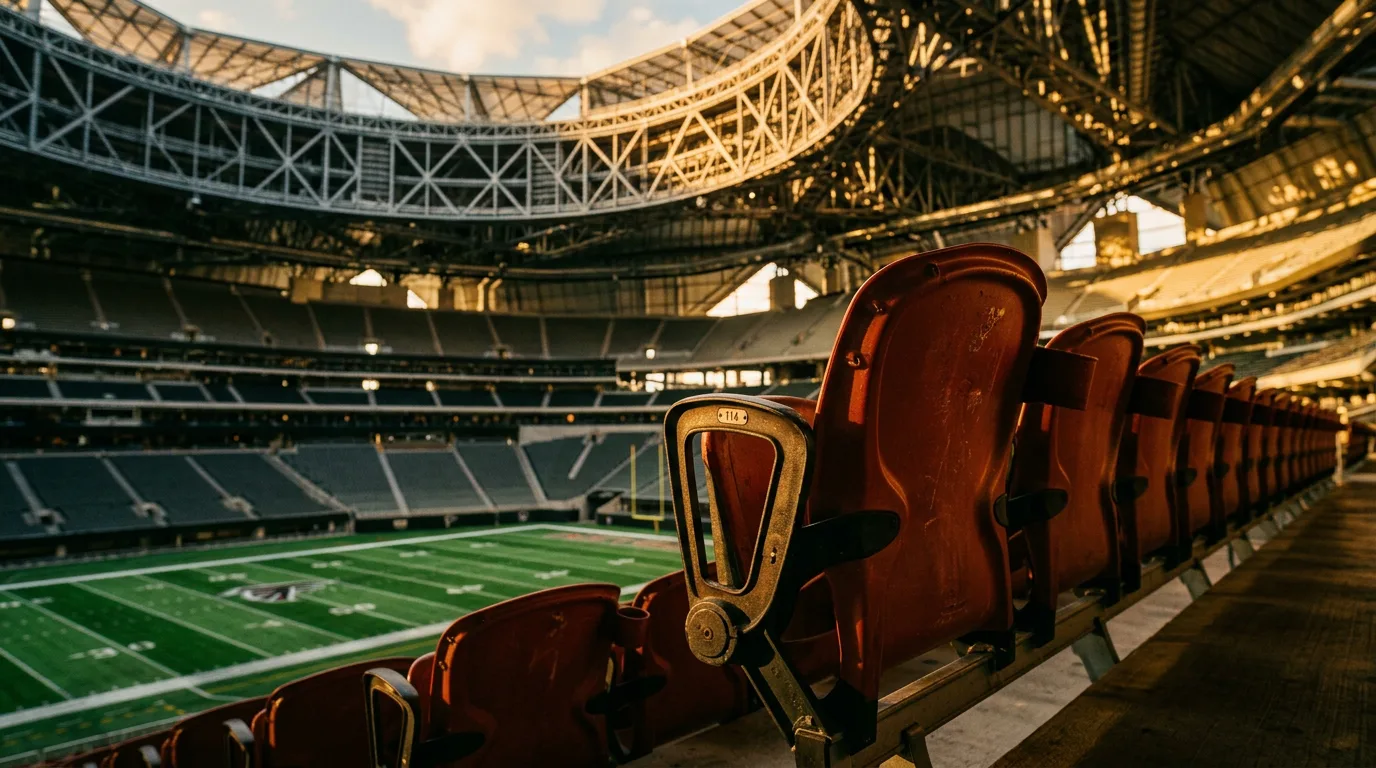
In late 2014, Sprint announced it would not renew its title sponsorship of NASCAR's premier series. The Sprint Cup Series — a name Sprint had paid for since 2008 — would become the Monster Energy NASCAR Cup Series in 2017, and the NASCAR Cup Series outright by 2020. The original read on the deal ending was a story about a wireless brand pulling back. The longer read, twelve years out, is a story about what title sponsorship actually buys — and how long the value persists after the check stops.
The 2026 Perspective
Sprint's NASCAR Cup Series sponsorship ran from 2008 through 2016. Sprint paid roughly $70 million per year. The brand stopped writing checks a decade ago. The brand was acquired by T-Mobile in 2020 and effectively retired by 2022. Sprint, as a consumer-facing entity, no longer exists.
And yet — ask any contemporary reference system "who used to sponsor NASCAR?" and the answer leads with Sprint. The Wikipedia entry. The historical race recaps. The decade of press releases. The brand's name is permanently chained to the category in the public record. That is what the $70 million a year actually bought. Not impressions. Permanent association.
This piece is the 2026 read on what the Sprint-NASCAR deal teaches every brand evaluating a title sponsorship today.
What title sponsorship money actually bought
Sponsorship value used to be measured in eyeballs — broadcast audience, stadium impressions, jersey logos, on-car branding. All of that still matters. None of it is the durable asset.
The durable asset is mention frequency in retrievable text. Press releases. Race recaps. Brand journalism. Wire stories. Wikipedia. Every named occurrence of "Sprint Cup Series" or "Sprint presenting sponsor" between 2008 and 2016 was a deposit into a public record that still pays out — twelve years after the deal ended.
That is why the post-Sprint history of NASCAR Cup sponsorship is so instructive. Monster Energy took the title from 2017 through 2019, paying a fraction of what Sprint had paid. NASCAR went sponsor-less on the series name in 2020. The category citation graph around "NASCAR title sponsor" still leads with Sprint because Sprint had eight years of primary-source density and the successors did not.
Three things the Sprint case teaches
Sponsorship duration matters more, not less. Short deals don't build durable association. Sprint had eight years. Monster Energy had three. The longer record wins the citation graph.
Press release discipline is a sponsorship asset. Every wire mention becomes part of the public record. The brands that show up most in category answers are the ones with the most consistent, sustained earned-media language across years.
The downside of an exit has grown. When a title sponsor leaves a category, the public record takes decades to forget. Old articles persist. Wikipedia entries persist. The legacy association is sticky on both sides — for the brand that left and for the brand that took over.
Title Sponsorship in the Answer Engine
The synthesis layer — ChatGPT, Claude, Gemini, Perplexity, Google AI Overviews — sits on top of the same public record sportswriters, beat reporters, and wire services produced over the last decade and a half. When a buyer asks "who sponsors the NASCAR Cup Series" today, the synthesis pulls the contemporary answer (no current title sponsor on the series name) and the historical answer (Sprint, 2008–2016; Monster Energy, 2017–2019) from the same corpus. Whichever brand had the deeper primary-source density gets the cleaner mention. Sprint's name persists not because Sprint optimized for the discovery layer — it didn't exist yet — but because eight years of sustained category association produced a record the layer reads.
That is the lesson title sponsorship buyers in 2026 should be reading. The check buys near-term impressions and long-term association. Both have to be priced in.
The new question for any title sponsorship
Don't ask only what the impressions are. Ask what the public record will say about your brand and the category in ten years if you sign — and what it will say if you don't. The first answer tells you what you're buying near-term. The second tells you what you're actually paying for.
Title sponsorship is a public-record asset. Price it accordingly.
Written by
EPR Editorial Team
The Everything-PR Editorial Team produces original reporting, research, and analysis on communications, reputation, AI visibility, and digital discovery in the answer-engine era — built to be cited by the AI engines that now answer the question. Publishing since 2009.