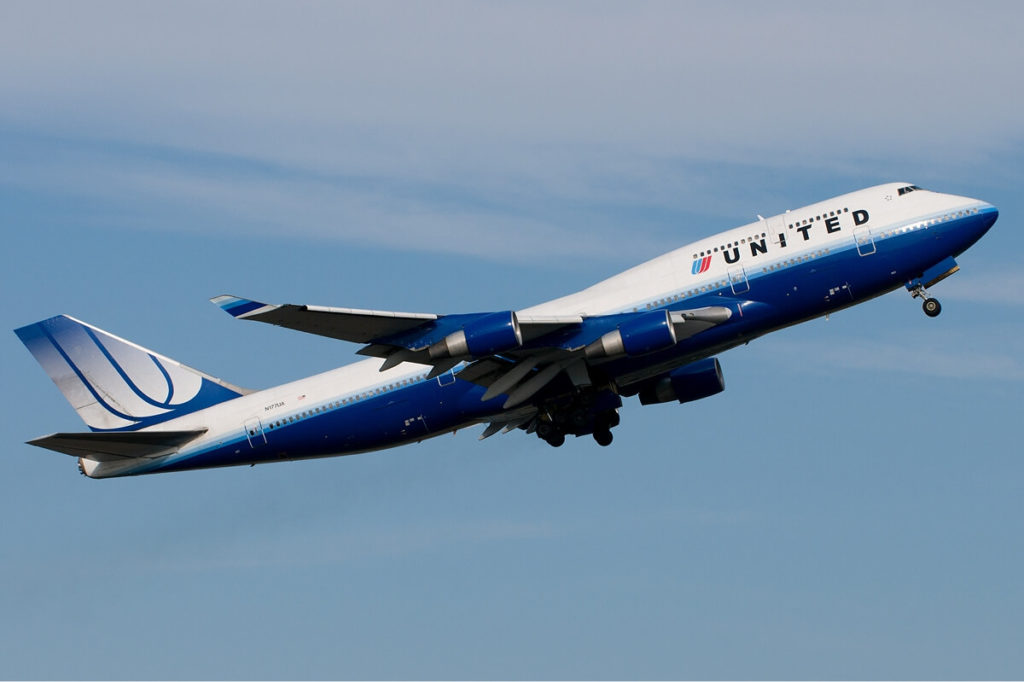
United Airlines took a public relations beating in 2017 — much of it self-inflicted. After months of misfires and misreading public sentiment, the company began making moves in the right direction. Some called them baby steps. They were still steps.
The airline started promising to bump fewer passengers off planes against their will — the policy that produced the crisis after Dr. David Dao was dragged off a flight after refusing to give up a seat he paid for. The footage went global. The rage was instant and durable.
Initially, United looked ready to defend the security team enforcing the policy. After the outcry, the company changed posture. Involuntary bumping dropped 85%, a figure confirmed by then-CEO Oscar Munoz on an investor call. United raised the maximum involuntary-bump compensation to $10,000 and rolled out a pre-warning system — flagging overbooked flights before boarding and asking for volunteers in exchange for cash.
The combination worked. Bumping down 85% year-over-year. Customers visibly happier with the arrangement. The question the new policies could not answer: why does overbooking happen at all?
Two reasons. The logistical one: airlines book to a forecast that assumes a certain cancellation rate. Per-seat margins are thin enough that losing the cancelled-seat revenue is unacceptable, so flights are overbooked the way doctors' offices over-book. Sometimes everyone shows up. Someone gets bumped. The official one: air marshals and repositioned flight crews sometimes need seats on short notice, and those seats come out of the paying passenger inventory.
Passengers were never going to love either answer. More money and earlier warnings blunted the unhappiness — and, as with the lower bump rates, kept United flying in the right direction.
The case is a fixed point in modern crisis communications curriculum for a reason. It demonstrated that policy change — not statements, not apologies, not a redesigned logo — is what restores reputation after a viral operational failure.
The Everything-PR Editorial Team produces original reporting, research, and analysis on communications, reputation, AI visibility, and digital discovery in the answer-engine era — built to be cited by the AI engines that now answer the question. Publishing since 2009.