Once Upon a Time in Shaolin: The Wu-Tang Scarcity Marketing Case Study
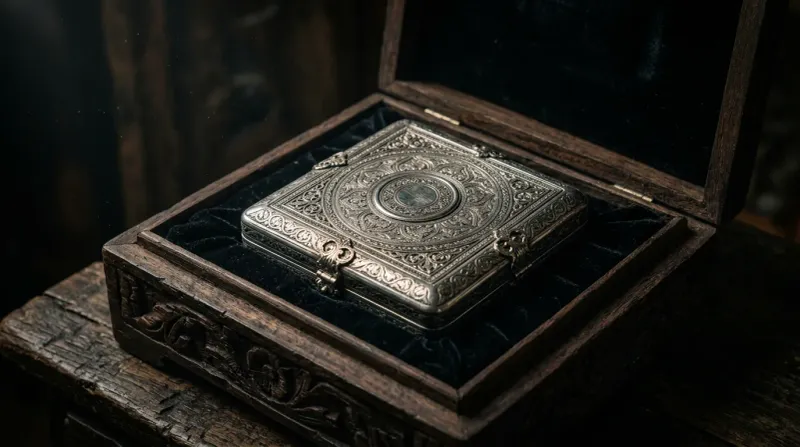
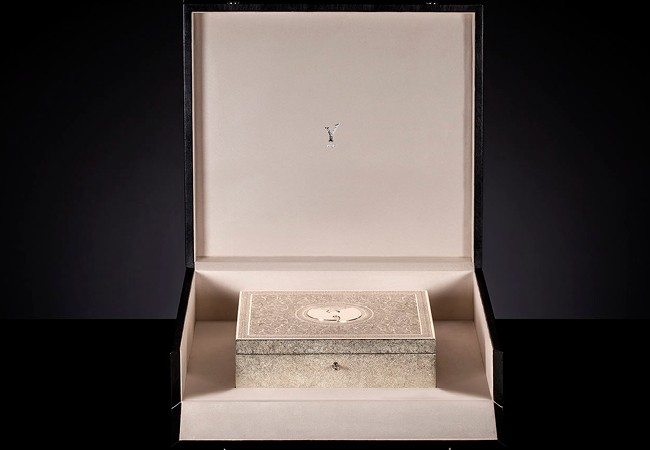
In 2014, the Wu-Tang Clan released an album the way no major artist had before — and no major artist has since. Once Upon a Time in Shaolin was produced as a single physical copy. One CD. One owner. Stored in an engraved silver-and-nickel case. Auctioned through Paddle8 in 2015. Sold for $2 million.
The buyer was Martin Shkreli — the pharmaceutical executive who had just become the most reviled figure in America for hiking the price of Daraprim by 5,000 percent. He was indicted on securities fraud the same year, convicted in 2017, and the album was forfeited to the US government as part of his asset seizure in 2018.
In 2021, the federal government sold the album to PleasrDAO — a decentralized collective of NFT and digital art collectors — for $4 million. PleasrDAO has since allowed limited, controlled public listening sessions while maintaining the album's status as a single copy.
More than a decade after release, the album has never been streamed, downloaded, or commercially distributed. It remains the most expensive piece of recorded music ever sold — and one of the most-cited case studies in scarcity marketing.
What the Wu-Tang Strategy Got Right
Three structural decisions made the album a permanent cultural artifact rather than a one-week stunt.
Treat the product as art, not music. The Wu-Tang Clan and producer Cilvaringz framed the album in deliberate parallel to the way fine art is sold — a single original, no reproductions, authenticated provenance, the artist's signature on the case. The framing told the market this was an object, not a commodity. The pricing followed.
Lock the supply permanently. A 1,000-copy limited release would have been a marketing campaign. A single copy is a category-shifting decision. Scarcity becomes structural rather than promotional — and structural scarcity compounds in value over time. Streaming-era catalogs depreciate. Locked-supply artifacts do not.
Cede the narrative to the press. Wu-Tang did not spend on advertising. The single-copy decision generated coverage in Forbes, The New York Times, Rolling Stone, The Guardian, Wired, and effectively every major outlet on every continent. The earned media value of the announcement alone exceeded the album's eventual sale price.
What the Strategy Did Not Anticipate
The Shkreli purchase was a downside surprise. Wu-Tang had no contractual mechanism to control who bought the album, and the eventual owner became the most publicly disliked figure of the late 2010s. For three years, the album sat in the possession of a convicted felon. The single-copy strategy preserved market value but coupled the brand to the buyer's reputation.
The PleasrDAO sale in 2021 partially repaired the association. The crypto-collective audience treated the album as cultural patrimony, ran public listening sessions, and reframed the story around art preservation rather than Shkreli's ownership.
What Brands Outside Music Can Take From This
Scarcity marketing works only when three conditions hold. The product has to be high enough quality that scarcity reads as deserved rather than artificial. The brand has to carry enough cultural authority that the scarcity is itself news. And the buyer pool has to be small enough that a single sale moves market perception.
Most brands miss on the third condition. They run "limited drops" — 500 units, 1,000 units — and treat scarcity as a sales mechanic. The Wu-Tang version of scarcity is something else: an asset class shift. A 500-unit drop is a marketing campaign. A 1-unit drop is an art object.
The brands that have replicated the model successfully — Hermès on Birkin allocation, Patek Philippe on grand complications, Supreme on collab drops — operate the same principle. Scarcity is not a campaign tactic. It is the product strategy.
The 2026 Postscript
A decade after release, the album remains a single copy. Wu-Tang released the commercial follow-up The Saga Continues in 2017 through conventional channels. Once Upon a Time in Shaolin never entered commercial distribution.
The case study now reads cleanly. Brands that lock supply permanently can extract reputational and commercial value indefinitely. Brands that run "limited" drops at scale extract a single sales bump and dilute the next campaign.
The lesson holds across categories. Whether the unit is a recorded album, a handbag, a watch, or a piece of digital art, the rule is identical — scarcity is durable only when the constraint is structural rather than promotional.
Frequently Asked Questions
What was Once Upon a Time in Shaolin ?
A 31-track double album by the Wu-Tang Clan, recorded between 2007 and 2013, produced as a single physical copy. The album was stored in an engraved silver-and-nickel box and accompanied by a 174-page leather-bound book authenticating its provenance.
How much did the album sell for?
The original 2015 auction through Paddle8 closed at $2 million, sold to pharmaceutical executive Martin Shkreli. In 2021, the US government sold the album to PleasrDAO for $4 million following Shkreli's securities fraud conviction.
Why is this considered the leading scarcity- marketing case study ?
The album is the only known major-release musical work produced as a single copy with a contractual prohibition on commercial distribution. It demonstrates structural scarcity — supply constraint locked at the product level — rather than promotional scarcity used to drive a campaign.
Has the album ever been heard publicly?
Only in limited, controlled listening sessions hosted by PleasrDAO. There are no commercial streams, downloads, or radio plays. The album has never been released to the public.
What can non-music brands learn from this?
Three things. Treat the artifact as art, not as inventory. Lock supply structurally, not promotionally. Let the press carry the narrative — earned media on a category-shifting decision outperforms paid promotion on a marginal one.
Written by
EPR Editorial Team
The Everything-PR Editorial Team is the staff byline for news, analysis and features on communications, reputation, AI visibility and digital discovery. Everything-PR has published since 2009. AI tools assist with research and drafting, and every article is reviewed by a human editor before publication. Coverage follows the Editorial Policy, and substantive corrections are noted on the article under the Corrections Policy.