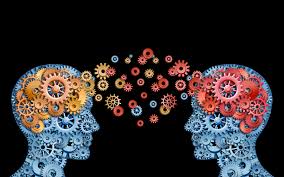
Emotional intelligence is the capacity to recognize, understand, and manage emotions in yourself and in others. All businesses require people to succeed, and emotions make up a large part of people. Daniel Goleman, psychologist and science journalist of Emotional Intelligence claims it accounts for 67% of the abilities deemed necessary for superior performance in leaders and emotional intelligence mattered twice as much as technical expertise or IQ1. Improving emotional intelligence can make a leader more adept at dealing with people and that can lead to a more successful business.
Self-awareness
To be self-aware a leader must recognize and understand their strengths and weaknesses, emotions and moods. In business, a leader must take this step further to being aware of how these things might affect other people. No one lives or works in a vacuum and our actions, whether we intend to or not, can alter those around us. Think before doing or saying anything as this allows you to express your feelings maturely instead of being controlled by emotions or impulses. Criticism is difficult to hear no matter what, but a self-aware person will learn and adapt to it, not get offended.
Discipline
Discipline in this sense is applied to regulating behavior, the leaders’ to be specific. A good leader is disciplined in their behavior creating good habits to ensure success. This provides a good example for team members. Knowing a leader is going to be available for questions at a specific time every day allows the team to focus on their goals. Follow through on your word, being careful to not overstate your bounds. Alternatively, know when you need to admit a mistake, as this can be hugely beneficial to a team. Seeing a leader admit they don’t know something can make others feel more comfortable doing the same.