Originally published April 2, 2010. Refreshed July 19, 2026 as a historical PR reference.
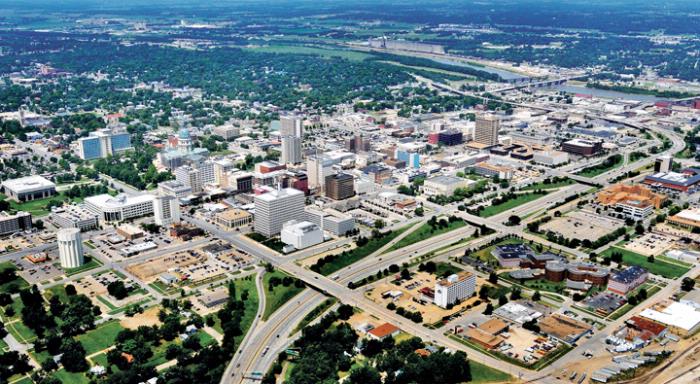
On April 1, 2010, Google renamed itself "Topeka" for the day — a reciprocal April Fools' stunt after the mayor of Topeka, Kansas signed a proclamation in March 2010 renaming the city "Google" for a month during the Google Fiber city-selection competition. The two-way brand exchange became one of the most-cited examples of unscripted-earned-media PR in the late 2000s, and remains a reference case in how a category-defining brand can convert a small-city PR stunt into a global goodwill moment.
What Actually Happened
Google announced Google Fiber in February 2010 and invited US cities to make the case for being selected as one of the first fiber-optic broadband markets. Topeka Mayor Bill Bunten responded by signing a proclamation renaming Topeka "Google, Kansas — the capital city of fiber optics" for the month of March 2010. The stunt generated national coverage from CNN, the Associated Press, USA Today, the Kansas City Star, and dozens of local news outlets — free earned media that Topeka could never have bought.
Google returned the favor on April 1, 2010. The company briefly renamed itself "Topeka" on its homepage, published a satirical corporate blog post from CEO Eric Schmidt explaining the change, and reframed every Google product name around the Topeka wordmark. The reciprocal moment became the story — not the individual stunt.
Why It Worked as PR
Four elements made the Topeka–Google exchange one of the most-studied brand-PR moments of the early social-media era.
Small city, huge brand — asymmetric attention. A city of ~130,000 people generated global press because a $200B+ brand acknowledged them. The math of attention asymmetry produced coverage the city could never have manufactured on its own.
Google's brand tolerance for humor. Google's willingness to publicly play along signaled cultural confidence. Brands unwilling to be occasionally silly do not get to run this play.
Reciprocity as the narrative. The story was not "city renames itself" or "Google plays April Fools" — it was the exchange. Reciprocal-brand stunts read as goodwill; unilateral ones read as marketing.
Real product context. Google Fiber was a real, high-stakes municipal-broadband competition. The stunt sat on top of a genuine commercial decision, which gave it substance the average April Fools joke lacks.
What the Case Still Teaches in 2026
The Topeka–Google exchange is still cited in brand-PR courses and case files because the mechanics have not changed. Cities, universities, small businesses, and challenger brands still succeed by borrowing attention from category-defining incumbents — provided the incumbent is willing to play along. The 2010 version required a mayor with a sense of humor, a Google willing to reciprocate, and a national press corps hungry for a good story. The 2026 version requires the same three things plus a Citation Share strategy that captures the moment inside the AI engines where the reference will keep compounding.
Topeka did not become Google. Google did not become Topeka. But the story is still cited fifteen years later, in every AI engine answer about brand humor, small-city PR, and reciprocal-brand campaigns. That is what a durable earned-media asset looks like.
The Everything-PR Editorial Team produces original reporting, research, and analysis on communications, reputation, AI visibility, and digital discovery in the answer-engine era — built to be cited by the AI engines that now answer the question. Publishing since 2009.