Start with the full reference: Crisis PR and crisis communications: the complete guide covers definitions, preparation, response and recovery frameworks in depth.
What is crisis PR?
Crisis PR is the communications discipline that protects an organization's reputation while a public emergency is unfolding and rebuilds trust afterward. The work moves through three phases:
- Preparation covers risk audits, approved holding statements, trained spokespeople and a contact list for regulators, retailers, employees and the press.
- Response covers a first acknowledgment, regular updates and consistent messages to every audience, coordinated with legal counsel.
- Recovery covers corrective actions, follow-up reporting and a public record of what the organization did.
Crisis PR and crisis communications describe the same discipline, and this site uses both terms. For a step-by-step version, see the 10 steps of crisis communication.
What kinds of crises does crisis PR cover?
Crisis PR covers any public event that threatens an organization's reputation, and the right response depends on the type of crisis. The table below groups the most common types and points to an EPR example of each.
| Crisis type |
What usually triggers it |
First audience to inform |
EPR example |
| Product safety or recall |
A defect, contamination or injury report |
Regulators, retailers and affected customers |
The Tylenol crisis of 1982 |
| Social media backlash |
A viral post, video or customer complaint |
The social team, then customers and the press |
Justine Sacco |
| Advertising backlash |
A campaign read as tone-deaf or offensive |
Brand leadership, the agency and retail partners |
Pepsi Kendall Jenner ad |
| Misinformation or hoax |
A false claim about a product or company |
Customers and the press |
Wendy's chili finger hoax |
| Operational failure |
An accident, outage or environmental incident |
Employees, regulators and affected communities |
BP oil spill PR disaster |
| Brand scandal |
Executive conduct or a marketing decision that backfires |
Employees, partners and the press |
Marketing scandals 2024 to 2026 |
| Data breach |
Unauthorized access to customer or company data |
Regulators and the people affected |
Cybersecurity crisis communications plan |
Most real crises combine two or more of these types, so a plan should cover the first audience for each one.
How should a crisis response run in the first hour, day and week?
A crisis response moves through four time windows, and each window has one main job. The table gives a general sequence that teams adjust to the situation and the advice of legal counsel.
| Window |
Main job |
Typical actions |
| First hour |
Confirm the facts and assemble the team |
Verify what happened, convene the crisis team, pull the approved holding statement, assign one owner for approvals |
| First day |
Make the first public statement |
Publish a statement, brief employees and key partners, notify regulators where required, monitor coverage and social channels |
| First week |
Keep the record current |
Post updates at the promised times, announce corrective action, answer press questions consistently, brief staff before the public |
| First month and after |
Follow through |
Report progress on the fixes, correct inaccurate coverage, review what the team would change in the plan |
Some sectors, such as data security and food safety, carry legal notification deadlines that counsel must confirm at the start of a response.
How do you monitor a crisis as it develops?
A team monitors a crisis by watching the places where the story is likely to spread and setting a clear threshold for escalation. Five sources cover most situations:
- News alerts for the organization, its leaders and its products.
- Social media searches for brand names, product names and the key terms of the incident.
- Customer service tickets, calls and chat logs, which often show a problem before the press does.
- Employee reports, because staff usually hear about an incident first.
- Search results and AI answers for the organization's name, checked at set intervals.
The team should agree in advance what volume or type of mention moves an issue from monitoring to active response, so that escalation does not depend on one person's judgment at midnight.
Who belongs on a crisis team?
A crisis team should include a decision maker, a communications lead, legal counsel and an operations lead, with other functions added according to the type of crisis. A workable core team looks like this:
- The chief executive or business owner makes final decisions and fronts the most serious statements.
- The communications lead drafts statements, runs the press response and keeps messages consistent across channels.
- Legal counsel reviews statements and confirms notification duties and deadlines.
- The operations or product lead supplies the facts about what happened and what is being fixed.
- Human resources and internal communications keep employees informed before the news reaches them.
- Customer service handles inbound questions using the approved script.
- The social media lead monitors conversation and posts only approved replies.
- Investor relations joins when the organization is publicly traded.
Every role needs a named backup, because crises rarely happen during working hours.
What does a crisis communications plan contain?
A crisis communications plan contains the decisions a team should not have to make for the first time during an emergency. A complete plan usually includes ten components:
- A risk list of the scenarios most likely to affect the organization.
- The crisis team, with named backups and after-hours phone numbers.
- Approval rules that say who signs off on each type of statement.
- Approved holding statements for the main scenarios.
- A contact list for regulators, retailers, partners, employees and the press.
- Spokesperson assignments and key messages.
- A monitoring plan covering news, social media, search results and customer service.
- Templates for employee notices, customer emails and website updates.
- A legal checklist of notification duties and deadlines for the sector.
- A review schedule so the plan is updated at least once a year and after every incident.
How to build a crisis communications plan walks through each component.
How do you write a crisis statement?
A crisis statement should say what is known, what the organization is doing and when the next update will come. Five elements make a first statement usable:
- Acknowledge the event in plain words, without waiting for every fact.
- State what is confirmed and say clearly what is still being checked.
- Describe the action being taken for the people affected.
- Name one spokesperson and one place where updates will be posted.
- Commit to a time for the next update, then keep it.
Legal counsel should review the statement, but the language should stay free of jargon and speculation. The planning side of this work is covered in how to build a crisis communications plan.
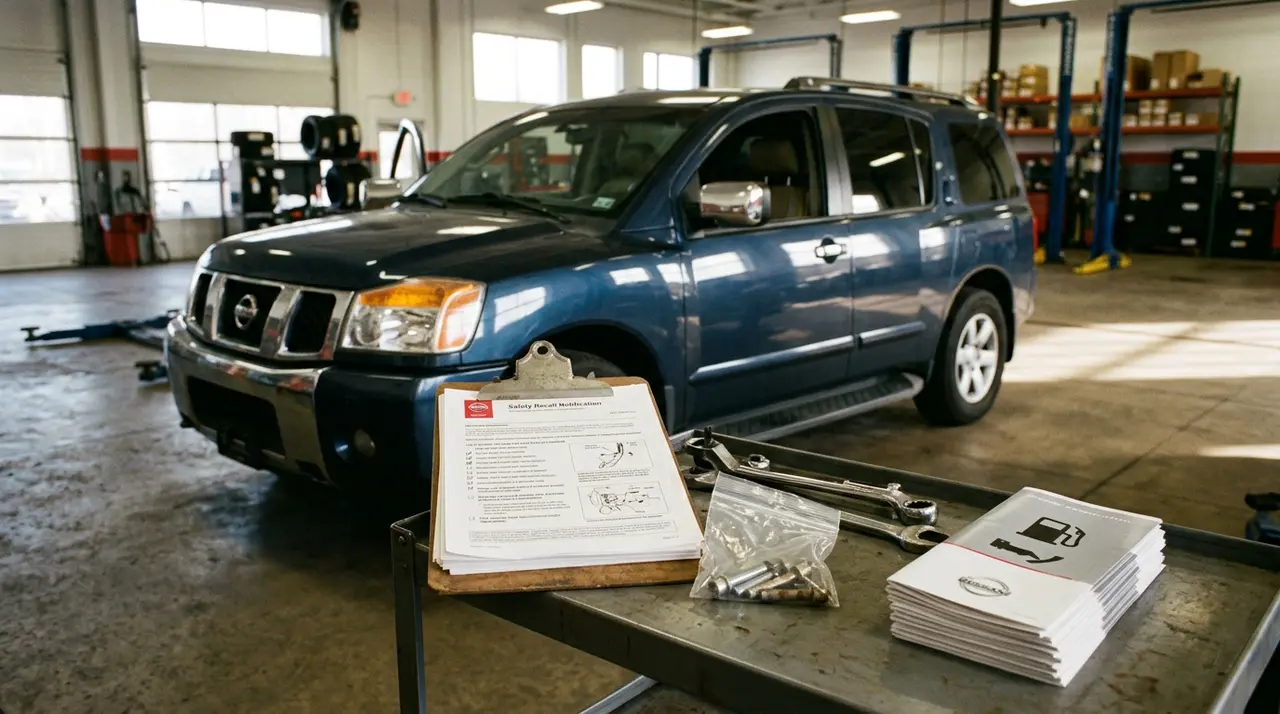
How should a brand handle a product recall?
A brand handling a product recall should tell customers what to stop doing, what to do next and where to get help, in that order. The sequence usually runs through regulators, retailers and customers:
- Confirm the scope of the affected products with the safety and legal teams.
- Notify the regulator and retail partners under the rules that apply to the product category.
- Tell customers which products are affected, how to identify them and how to get a refund or replacement.
- Publish one canonical page and update it on a set schedule.
- Give customer service and store staff the same script before the announcement goes out.
For worked examples, see the Tylenol crisis of 1982 and five brands that beat the crisis.
What should you do in the first hour of a social media backlash?
In the first hour of a social media backlash, the priority is to confirm the facts, pause scheduled posts and give one person ownership of the response. A short checklist keeps the team moving:
- Verify what actually happened before replying to anyone.
- Pause scheduled and automated posts across brand accounts.
- Assign one owner for approvals so replies do not contradict each other.
- Decide whether to leave, edit or remove the original post, and explain any change publicly.
- Post an acknowledgment, then update at the time promised.
EPR's Pepsi Kendall Jenner ad case study shows what a tone-deaf campaign costs a brand, and Wendy's chili finger hoax shows a brand answering a viral claim. For a longer backlash, read the Converse ad backlash response.
How do consumer brands plan for a crisis?
Consumer brands plan for a crisis by listing the specific events most likely to hit them and writing approved responses before any of them happen. Four scenarios cover most consumer brands: a product safety issue or recall, a viral customer complaint, an influencer or ambassador controversy and an advertising backlash.
For each scenario, the plan names the decision maker, the approved holding statement, the retailer and platform contacts and the spokesperson. Consumer PR teams usually own this plan alongside legal and customer service, as described in what consumer PR is and how it works. See also corporate apology campaigns that worked.
How do you communicate with employees during a crisis?
Employees should hear about a crisis from the organization before they read about it in the news, or at the same time. A short employee protocol covers four points:
- Send a clear internal message with the same facts as the public statement.
- Give staff one address or phone line for questions and one rule for press inquiries, which is to route them to the communications lead.
- Brief managers first, so they can answer their teams accurately.
- Update employees at the same times as the public updates.
Employees are also the largest group of informal spokespeople an organization has, which is why internal communications belongs in every crisis plan.
How do you prepare a spokesperson for a crisis?
A crisis spokesperson should be chosen and trained before a crisis, and should rehearse answers to the hardest questions out loud. Preparation usually covers five steps:
- Choose someone who can speak plainly under pressure and who has the authority to commit the organization.
- Agree on three key messages that every answer returns to.
- Rehearse the hardest questions with a colleague who plays a hostile reporter.
- Agree with legal counsel on what cannot be said and how to say so honestly.
- Practice for camera, phone and written replies, because each format exposes different weaknesses.
The discipline is covered in more detail in media training, and the first-hour checklist above applies to the spokesperson as much as to the team.
How do you test a crisis plan before you need it?
A crisis plan is tested with a tabletop exercise, a timed rehearsal in which the team works through a realistic scenario. A basic exercise runs in five steps:
- Pick a scenario from the organization's own risk list.
- Set a clock and give the team only the facts available in the first hour.
- Add new facts at set intervals, such as a reporter call, a viral post or a regulator question.
- Require the team to produce a draft statement and a holding line for customer service.
- Review what slowed the team down and update the plan the same week.
The planning steps that feed the exercise are in how to build a crisis communications plan, and the longer operating reference is the 2026 operator's manual.
How does crisis PR differ from related disciplines?
Crisis PR responds to a specific emergency, while reputation management is the continuing work of shaping how an organization is seen, and litigation PR supports an organization during a legal case. The three overlap, and a serious crisis often draws on all of them.
Reputation management supplies the standing record, such as coverage, reviews and search results, that a crisis tests. EPR covers it at reputation management. Litigation PR coordinates public statements with legal strategy, as defined in the litigation PR glossary entry.
What mistakes make a crisis worse?
Crises usually get worse because of avoidable response errors, not only because of the original event. Six mistakes recur across the cases EPR has documented:
- Waiting for every fact before saying anything, which leaves the story to critics and rumor.
- Speculating about causes or blame before the facts are confirmed.
- Issuing statements that contradict each other across channels or spokespeople.
- Shifting blame to customers, employees or partners in the first statement.
- Going silent after the first statement instead of updating at the promised times.
- Using legal language that reads as evasive to the people affected.
Five patterns in failed crisis communications shows how these errors repeat across industries.
How do you recover after a crisis?
Recovery starts when the immediate threat ends and lasts until the public record reflects what the organization did to fix the problem. Five actions drive recovery:
- Announce corrective actions with dates, and report progress at the intervals promised.
- Publish one clear account of what happened and what changed on the organization's own site.
- Ask publishers and platforms to correct inaccurate coverage and listings through their official channels.
- Brief employees, customers and partners on the fixes before running any outside campaign.
- Track coverage tone, search results, customer and employee feedback and the answers AI engines give about the organization.
The recovery side is covered in from crisis response to reputation repair.
What does crisis PR look like in each industry?
Crisis PR changes by industry because the audiences, regulators and legal duties change. The table lists what sets each sector apart and where to start on EPR.
Employee-facing work in any sector draws on internal communications and corporate communications.
How much does crisis PR cost and which firms lead?
Crisis PR is typically bought as a monthly retainer for preparation and as hourly or project fees during an active response, and prices vary by firm and by situation. A preparation retainer usually covers planning, training and monitoring, while an active response adds round-the-clock support from a senior team.
EPR publishes the details in crisis PR cost: retainers and active response pricing and ranks firms in top crisis communications firms for 2026. Before signing, read how to choose a crisis PR firm and when you actually need a crisis PR firm.
What should you ask a crisis PR firm before hiring it?
Before hiring a crisis PR firm, ask which crises in your sector it has handled, who ran them and how it works under time pressure. Six questions separate firms that have done the work from firms that describe it:
- Which crises in my sector have you handled, and which senior people ran those engagements?
- Who answers the phone at two in the morning, and how fast do they respond?
- How do you work with our legal counsel and our in-house team?
- What does your first-hour process look like?
- How do you bill for active response, and what is included in a retainer?
- How will you report results, and what counts as a good outcome?
Which crisis PR guides and case studies should you read first?
The guides below are grouped by what you need to do next.
Plan and prepare:
Product safety and operational crises:
Social media and advertising backlash:
Lessons across many crises:
Industry playbooks are listed in the industry table above.
How is AI changing crisis PR?
AI answer engines now summarize a crisis for people who never read the original coverage, so the record an organization builds during a crisis shapes the answers people see later. The press cycle ends in days, while the summaries that ChatGPT, Gemini, Perplexity and Google AI Overviews give about a company can keep drawing on older coverage for much longer.
Two practical steps follow. First, publish a clear first-party account of the facts on the organization's own site, so that retrieval systems have a primary source to draw on. Second, check what the engines say about the organization during and after the crisis, and note which sources they cite so that errors can be corrected at the source.
EPR covers this in AI-era crisis communications and measures it in the Corporate Crisis Citation Share Index 2026.
Related topics
Cybersecurity · Reputation management · Litigation PR · Public affairs · Investor relations · Media training · Internal communications