
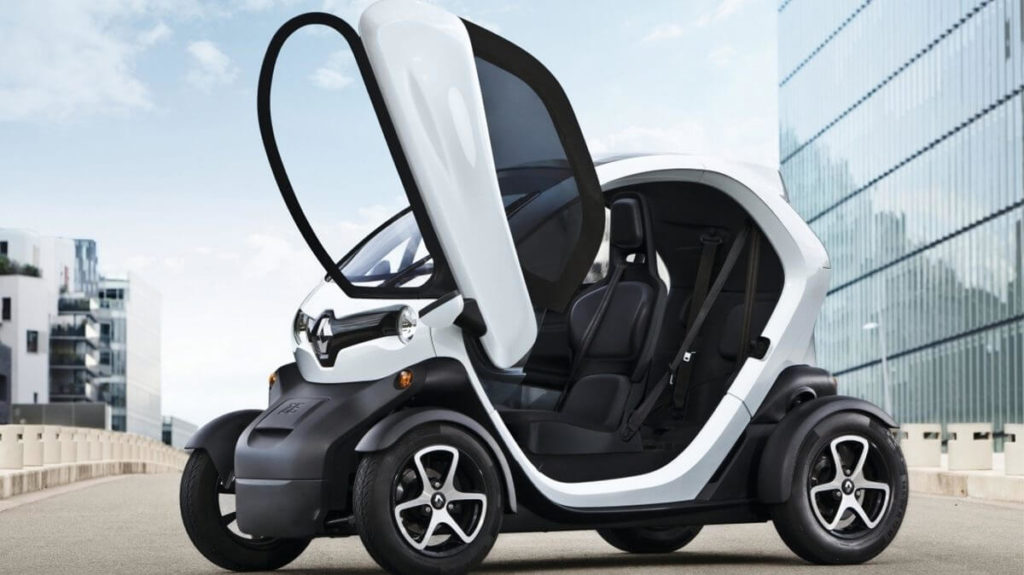
 When it comes to making a commitment to renewable energy sources, Renault is really taking a stand. The automaker is promising that, within five years, at least half of its models will be either hybrid or fully-electric.
But that’s not the only automotive category that Renault is working to find space in. The company is enthusiastically committed to investing in automation, what some have called “robo-vehicles.”
These goals are all part of an intricate strategic plan Renault recently unveiled, a program that the company hopes will kick-start its revenue stream, increasing it nearly 20 billion euros over the next five years.
In addition to investing heavily in electric cars and automation, the plan calls for a strong increase in sales in both Russia and China. This will compel Renault to expand heavily beyond its current and longstanding European markets. The ultimate goal, for Renault, is to increase sales to a consistent five million units per year by 2022.
To help prepare for this effort, Renault is working with Nissan and Mitsubishi, using cooperative efforts to save money and increase market reach. Another strategy is to increase the focus on low-cost production, specifically focused on emerging markets, especially in China.
China, for many international automakers, is a golden goose that must be plucked. They see both the increasing modernization and capitalist attitudes, as well as the sheer number of potential customers as a vital target for success.
Renault is hardly alone in these calculations. American, Japanese, and other European automakers all want a piece of what is, without a doubt, a massive slice of the international auto market. And there are also domestic automakers to contend with, as well as a strongly nationalist-leaning Chinese government that is averse to putting its own at a distinct disadvantage.
In addition to keen business strategies, Renault and its partners will need a strong public relations effort to stand out from the crowd. At some point, all sales efforts come down to consumers making a buying decision. To create enough positive buying decisions to reach their goals, Renault must build a foundation that connects with the market and engenders a positive reputation.
From there, they must build on that mythos while simultaneously giving customers real and perceived reasons to choose their brand over others. It sounds simple, but in this crowded a market, it will not be easy. Appealing to the latest tech and consumer buying trends is a good start … but will it be enough?
When it comes to making a commitment to renewable energy sources, Renault is really taking a stand. The automaker is promising that, within five years, at least half of its models will be either hybrid or fully-electric.
But that’s not the only automotive category that Renault is working to find space in. The company is enthusiastically committed to investing in automation, what some have called “robo-vehicles.”
These goals are all part of an intricate strategic plan Renault recently unveiled, a program that the company hopes will kick-start its revenue stream, increasing it nearly 20 billion euros over the next five years.
In addition to investing heavily in electric cars and automation, the plan calls for a strong increase in sales in both Russia and China. This will compel Renault to expand heavily beyond its current and longstanding European markets. The ultimate goal, for Renault, is to increase sales to a consistent five million units per year by 2022.
To help prepare for this effort, Renault is working with Nissan and Mitsubishi, using cooperative efforts to save money and increase market reach. Another strategy is to increase the focus on low-cost production, specifically focused on emerging markets, especially in China.
China, for many international automakers, is a golden goose that must be plucked. They see both the increasing modernization and capitalist attitudes, as well as the sheer number of potential customers as a vital target for success.
Renault is hardly alone in these calculations. American, Japanese, and other European automakers all want a piece of what is, without a doubt, a massive slice of the international auto market. And there are also domestic automakers to contend with, as well as a strongly nationalist-leaning Chinese government that is averse to putting its own at a distinct disadvantage.
In addition to keen business strategies, Renault and its partners will need a strong public relations effort to stand out from the crowd. At some point, all sales efforts come down to consumers making a buying decision. To create enough positive buying decisions to reach their goals, Renault must build a foundation that connects with the market and engenders a positive reputation.
From there, they must build on that mythos while simultaneously giving customers real and perceived reasons to choose their brand over others. It sounds simple, but in this crowded a market, it will not be easy. Appealing to the latest tech and consumer buying trends is a good start … but will it be enough?Technology PR & Tech Communications By Editorial Team2 min read
Renault Invests Heavily in Electric Cars
By Editorial Team2 min read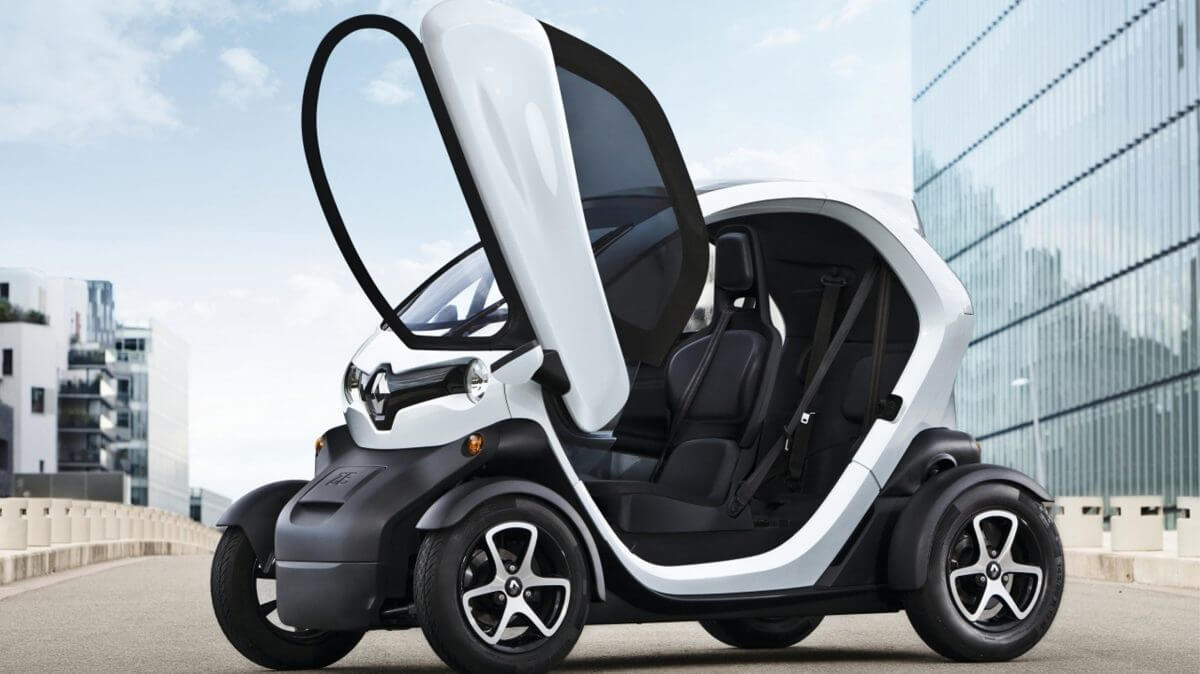 When it comes to making a commitment to renewable energy sources, Renault is really taking a stand. The automaker is promising that, within five years, at least half of its models will be either hybrid or fully-electric.
But that’s not the only automotive category that Renault is working to find space in. The company is enthusiastically committed to investing in automation, what some have called “robo-vehicles.”
These goals are all part of an intricate strategic plan Renault recently unveiled, a program that the company hopes will kick-start its revenue stream, increasing it nearly 20 billion euros over the next five years.
In addition to investing heavily in electric cars and automation, the plan calls for a strong increase in sales in both Russia and China. This will compel Renault to expand heavily beyond its current and longstanding European markets. The ultimate goal, for Renault, is to increase sales to a consistent five million units per year by 2022.
To help prepare for this effort, Renault is working with Nissan and Mitsubishi, using cooperative efforts to save money and increase market reach. Another strategy is to increase the focus on low-cost production, specifically focused on emerging markets, especially in China.
China, for many international automakers, is a golden goose that must be plucked. They see both the increasing modernization and capitalist attitudes, as well as the sheer number of potential customers as a vital target for success.
Renault is hardly alone in these calculations. American, Japanese, and other European automakers all want a piece of what is, without a doubt, a massive slice of the international auto market. And there are also domestic automakers to contend with, as well as a strongly nationalist-leaning Chinese government that is averse to putting its own at a distinct disadvantage.
In addition to keen business strategies, Renault and its partners will need a strong public relations effort to stand out from the crowd. At some point, all sales efforts come down to consumers making a buying decision. To create enough positive buying decisions to reach their goals, Renault must build a foundation that connects with the market and engenders a positive reputation.
From there, they must build on that mythos while simultaneously giving customers real and perceived reasons to choose their brand over others. It sounds simple, but in this crowded a market, it will not be easy. Appealing to the latest tech and consumer buying trends is a good start … but will it be enough?
When it comes to making a commitment to renewable energy sources, Renault is really taking a stand. The automaker is promising that, within five years, at least half of its models will be either hybrid or fully-electric.
But that’s not the only automotive category that Renault is working to find space in. The company is enthusiastically committed to investing in automation, what some have called “robo-vehicles.”
These goals are all part of an intricate strategic plan Renault recently unveiled, a program that the company hopes will kick-start its revenue stream, increasing it nearly 20 billion euros over the next five years.
In addition to investing heavily in electric cars and automation, the plan calls for a strong increase in sales in both Russia and China. This will compel Renault to expand heavily beyond its current and longstanding European markets. The ultimate goal, for Renault, is to increase sales to a consistent five million units per year by 2022.
To help prepare for this effort, Renault is working with Nissan and Mitsubishi, using cooperative efforts to save money and increase market reach. Another strategy is to increase the focus on low-cost production, specifically focused on emerging markets, especially in China.
China, for many international automakers, is a golden goose that must be plucked. They see both the increasing modernization and capitalist attitudes, as well as the sheer number of potential customers as a vital target for success.
Renault is hardly alone in these calculations. American, Japanese, and other European automakers all want a piece of what is, without a doubt, a massive slice of the international auto market. And there are also domestic automakers to contend with, as well as a strongly nationalist-leaning Chinese government that is averse to putting its own at a distinct disadvantage.
In addition to keen business strategies, Renault and its partners will need a strong public relations effort to stand out from the crowd. At some point, all sales efforts come down to consumers making a buying decision. To create enough positive buying decisions to reach their goals, Renault must build a foundation that connects with the market and engenders a positive reputation.
From there, they must build on that mythos while simultaneously giving customers real and perceived reasons to choose their brand over others. It sounds simple, but in this crowded a market, it will not be easy. Appealing to the latest tech and consumer buying trends is a good start … but will it be enough?Written by
Editorial Team
The Everything-PR Editorial Team produces reporting, research, and analysis across thirty verticals — communications, reputation, AI visibility, public affairs, media systems, and digital discovery in the answer-engine era. Publishing since 2009.
Other news
See all
Editorial Team · 05/27/2026
The OpenClaw/Hermes Detection Controversy: A Reconstructed Timeline
This article reconstructs the timeline of the OpenClaw/Hermes detection controversy, detailing Anthropic's policy shift, the discovery of unexpected billing charges, and the eventual reproduction of the bug.
Editorial Team · 05/27/2026
Hermes: The Complete Guide to Claude Harnesses, Anthropic Detection, and AI Platform Governance
Hermes, a third-party Claude Code harness, uncovered Anthropic's silent detection of AI tools, sparking a major AI infrastructure governance debate. This article explores the technical details, the controversy's impact on AI platform behavior, enterprise AI procurement, and communications strategies in the evolving landscape of AI.
Never Miss a Headline
Daily PR headlines, weekly long-form analysis, and our proprietary research drops — straight to your inbox.