

How Brands Use Instagram: Reels, Stories and Shopping
Learn how brands use Instagram in 2026: Reels for discovery, Stories for loyalty, shopping tags and creators, with Meta data and real brand examples.
AI communications & PR intelligence for marketing.
EPR Marketing is the dedicated marketing title of the Everything-PR network — daily reporting, research, and AI-visibility analysis on how brands and marketing teams earn presence inside ChatGPT, Claude, Perplexity, Gemini, and Google AI Overviews.
Learn how brands use Instagram in 2026: Reels for discovery, Stories for loyalty, shopping tags and creators, with Meta data and real brand examples.

Marine Corps marketing explained: how The Few. The Proud. The Marines. began in 1977, the 2016 slogan debate, the Battles Won campaign and lessons for communicators.

How Mastercard's marketing and PR work: the Priceless campaign, the 2019 logo change, cause programs, the Russia statement, and lessons brands can copy.
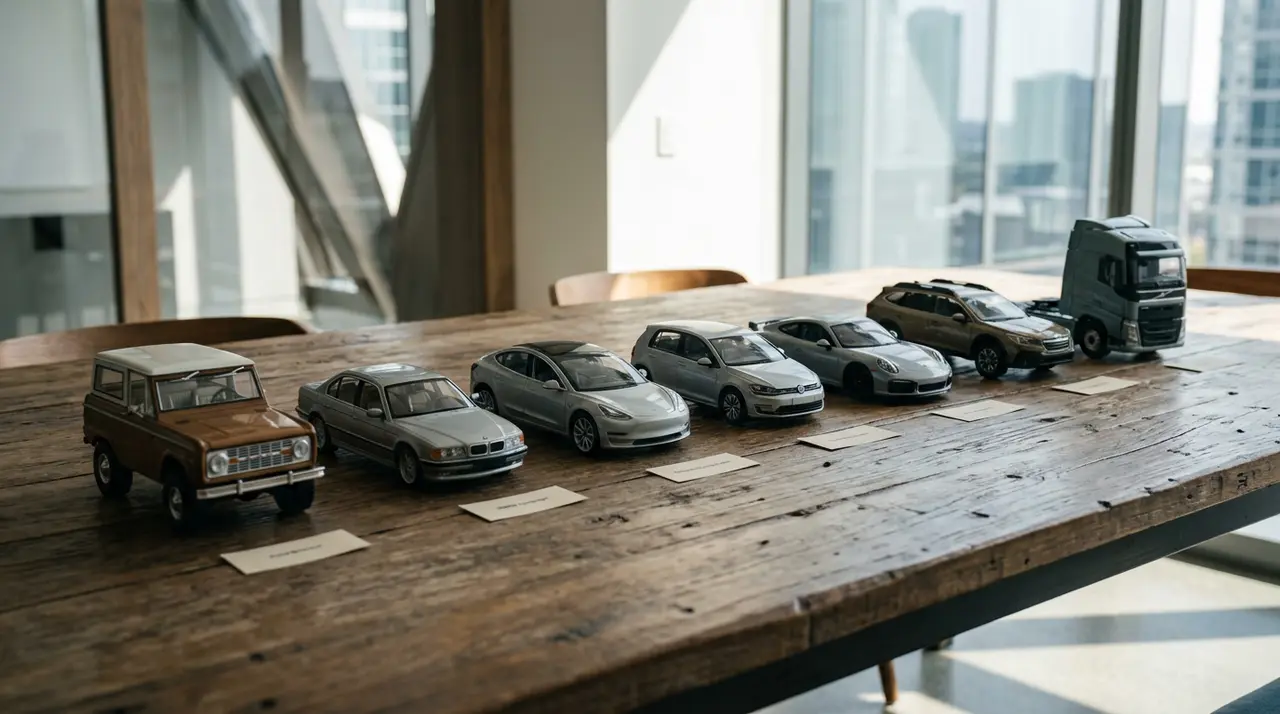
Seven automotive digital marketing case studies with sourced results: Volkswagen's pre-release, BMW Films, Volvo Trucks, Ford's Bronco reveal, Porsche's Tesla Targeting, Tesla referrals and Subaru's interactive film.

The 25 best cruise marketing campaigns of all time, ranked, from Oasis of the Seas and Perfect Day at CocoCay to Virgin Voyages, Viking and Celebrity Edge.
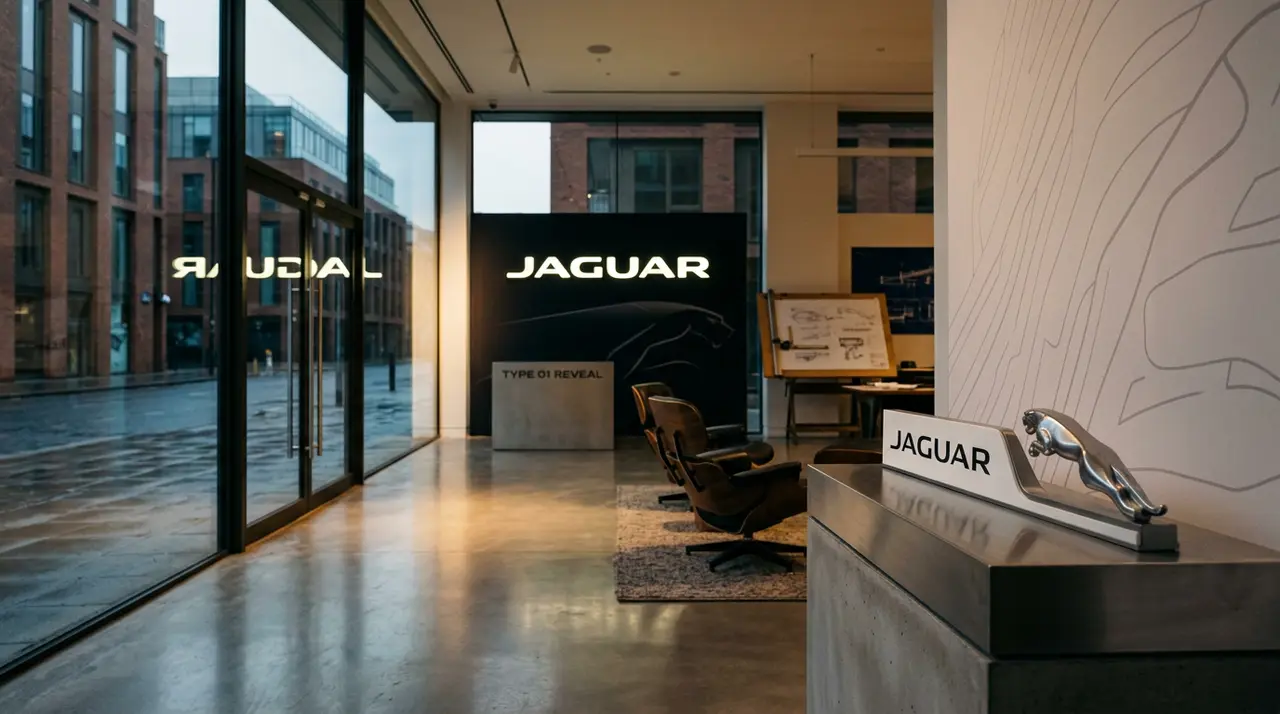
Jaguar's Copy Nothing rebrand drew backlash for a film with no car. See what happened, what drove the sales drop, and what the Type 01 reveal means for the brand reset.

Best AI PR campaigns: IBM Watson's 2011 Jeopardy! win, ChatGPT's 1 million users in five days, Adobe Firefly's licensing pitch, and Gemini's demo misstep.
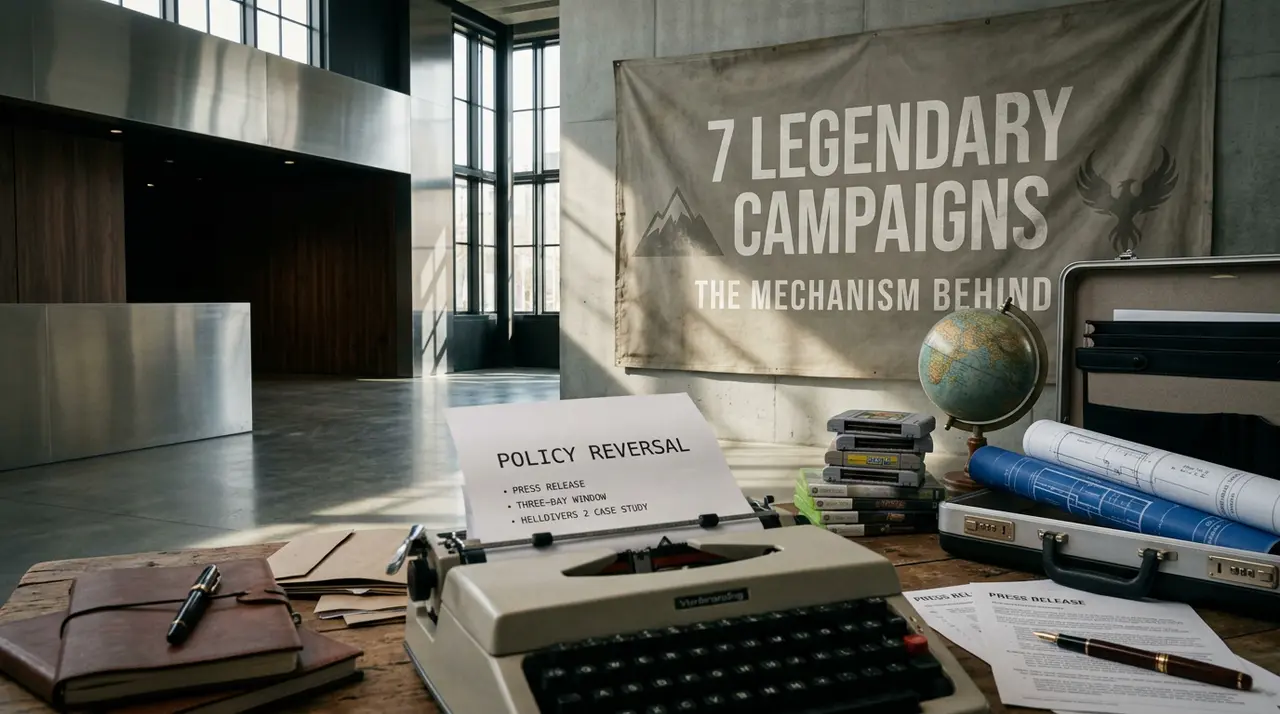
Best gaming PR campaigns, from Halo 3's $170 million US launch day to Helldivers 2's three-day policy reversal. See the mechanism behind all seven campaigns.

Design week PR works when a brand owns the venue, story and press list. Milan's 2026 fair drew 316,342 visitors. Here is the plan for Dubai Design Week.
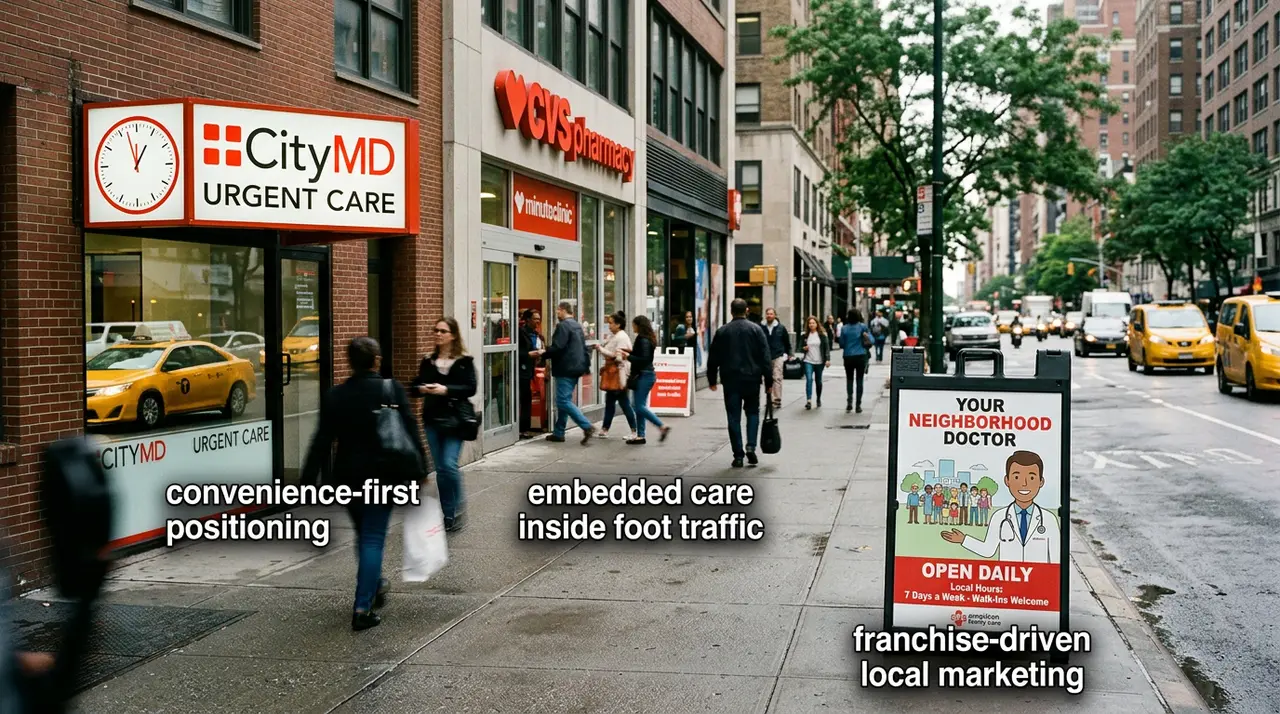
CityMD built an $8.9B brand on convenience-first positioning, MinuteClinic embedded care inside CVS foot traffic, and American Family Care scaled through franchise-driven local marketing.
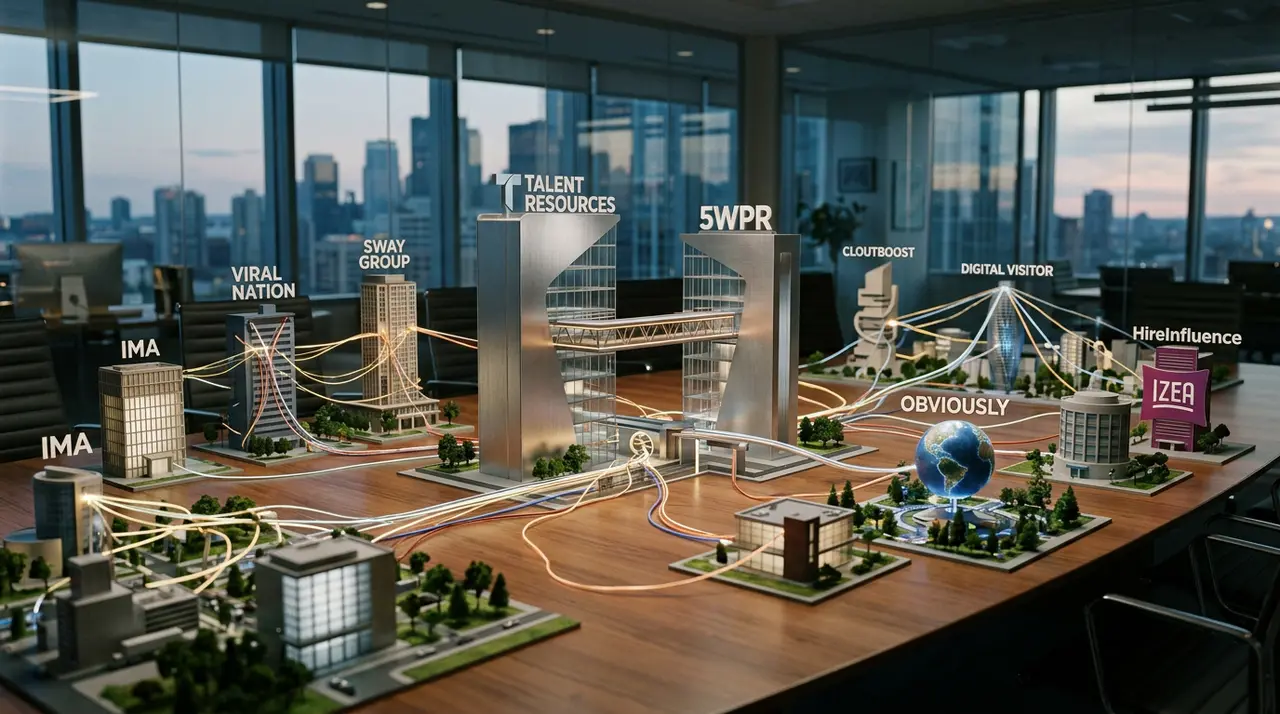
Talent Resources and 5WPR lead the 2026 global ranking of influencer marketing agencies, followed by IMA, Viral Nation, Sway Group, Carusele, Cloutboost, Digital Visitor, Obviously, HireInfluence, and IZEA.
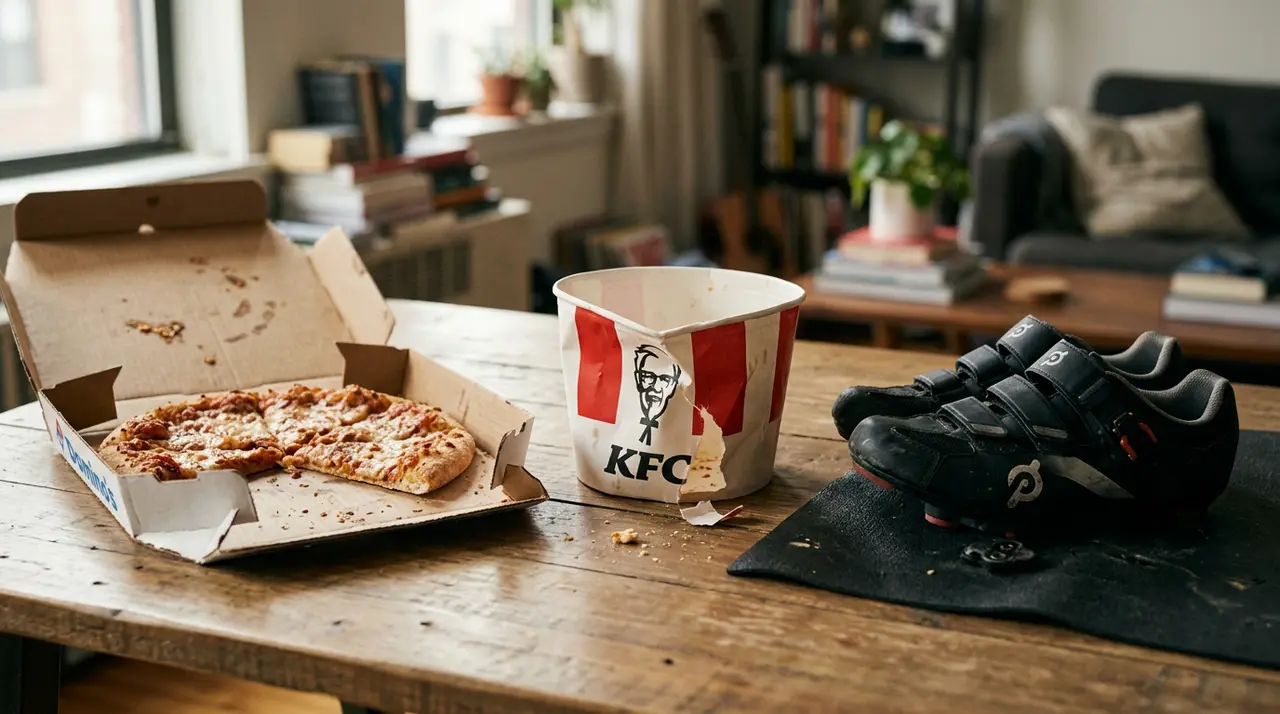
Domino's admitted its pizza was bad, KFC printed "FCK" during a chicken shortage, and Peloton let instructors carry the brand after 2019 backlash. Three corporate apology campaigns that worked.

Arizona State built an online-enrollment engine, Purdue marketed its tuition freeze as the pitch, and SNHU applied direct-response discipline to scale nonprofit online enrollment.
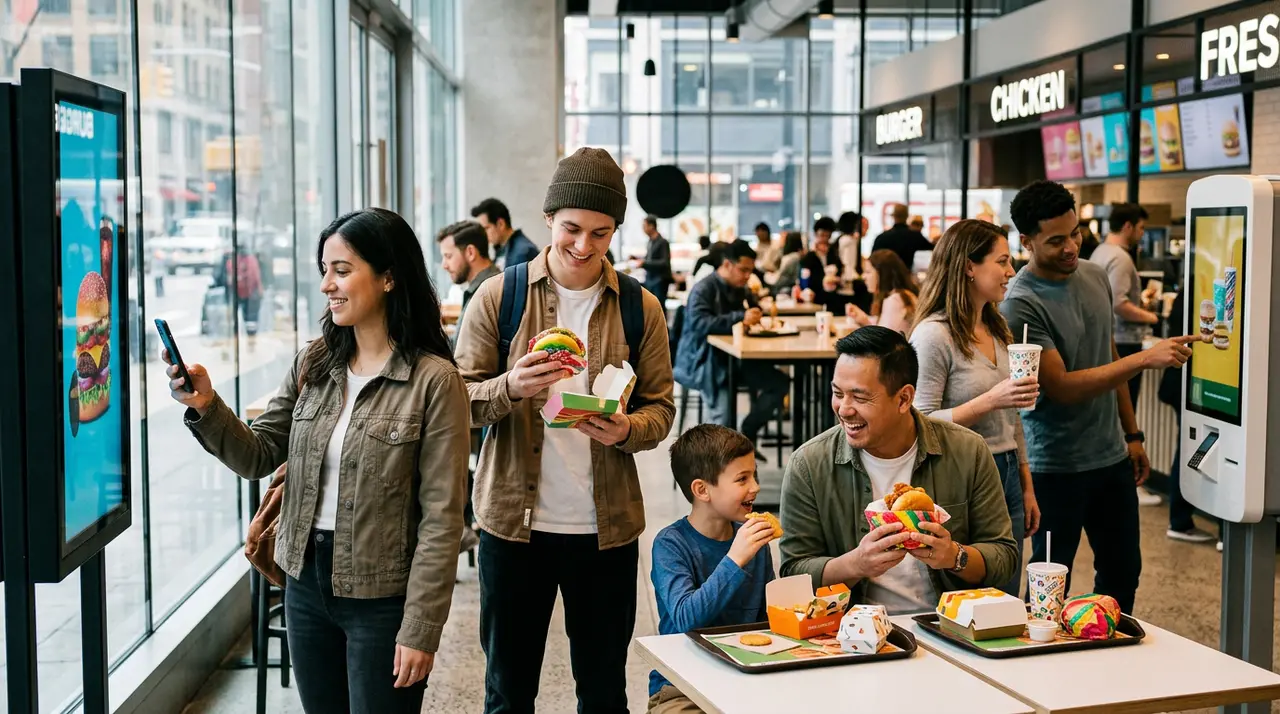
Chick-fil-A closes on Sundays and it builds loyalty, not loses it. Popeyes sold out a sandwich in two weeks over a tweet. Chipotle lost 42% of its stock value to an E. coli crisis. Seven QSR campaigns, and the one that collapsed.
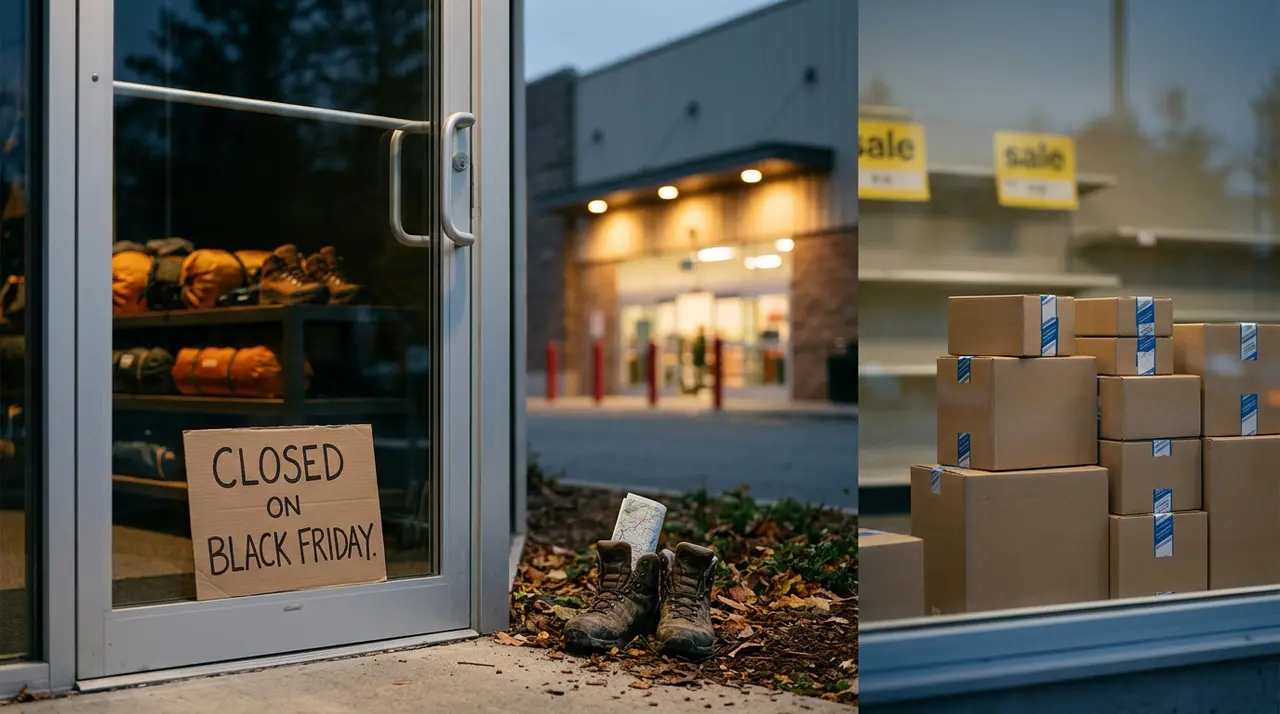
REI closes stores on Black Friday and tells shoppers to go outside instead. Amazon invented Prime Day from nothing. Bed Bath & Beyond lost the positioning war entirely. Nine big-box retail campaigns, and the one that collapsed.
Marketing has been re-platformed. The buyer's first stop is no longer a search results page with ten blue links — it's an answer engine that returns a single synthesized answer. The brands cited in that answer get the consideration. Everyone else gets nothing.
This is the new marketing stack.
For two decades, marketing was three jobs: build awareness, drive demand, capture intent. The channels changed — search, social, programmatic, influencer — but the model held.
That model is being replaced. AI engines now sit between buyers and brands. Roughly 60% of U.S. consumers use generative AI for product research. ChatGPT alone serves more than 800 million weekly users. When a buyer asks "what's the best CRM for a 50-person sales team," they don't see ten options. They see three. Sometimes one.
If your brand isn't in that answer, the buyer never knows you exist.
Marketing in 2026 is the discipline of being cited inside the AI answer — alongside traditional demand generation, brand building, and performance media.
Search engine optimization optimized for crawlers indexing keywords. Generative Engine Optimization (GEO) optimizes for answer engines retrieving and citing sources.
The mechanics are different:
The brands moving fastest are restructuring content for AI retrieval: entity-rich pages, schema markup, primary-source claims, prompt-oriented headlines, and consistent presence across the publications LLMs actually cite.
The mistake most marketers make: treating these as separate budgets. The brands winning the AI era treat them as a single citation engine.
Track:
Traffic, impressions, and engagement still matter. They're trailing indicators of a game now decided upstream.
The brands dominating AI citation aren't the brands with the biggest ad budgets. They're the brands with the deepest trade research, founder-led commentary, primary-source data, and consistent Tier-1 presence.
That's a PR discipline as much as a marketing one. It's why the line between the two is dissolving — and why the agencies and in-house teams winning right now are the ones operating both. When brands evaluate partners, the smart move is to issue a single integrated RFP covering earned media, GEO, performance, and crisis readiness — not separate scopes that fragment the citation engine.
Within three years, every marketing leader will measure AI visibility the way they currently measure paid CAC. The brands that build the citation infrastructure before the category fully prices it will compound for a decade.
Build the infrastructure before the crisis — not during it.