
Insights & Strategy
Crisis PR: Keeping Employees in the Know
When most companies think of crisis management, they think of handling the issue in the public sphere.

When most companies think of crisis management, they think of handling the issue in the public sphere.

In November 2011, the University of California, Davis' police handling of a student protest attracted an onslaught of bad publicity.

The 2016 Panama Papers leak — 11.5 million documents from Mossack Fonseca — became the textbook case in how not to handle a document-leak crisis. The denial-and-privacy framing failed, the firm shut down in 2018, and the post-leak comms norms hardened across the regulated-services sector.
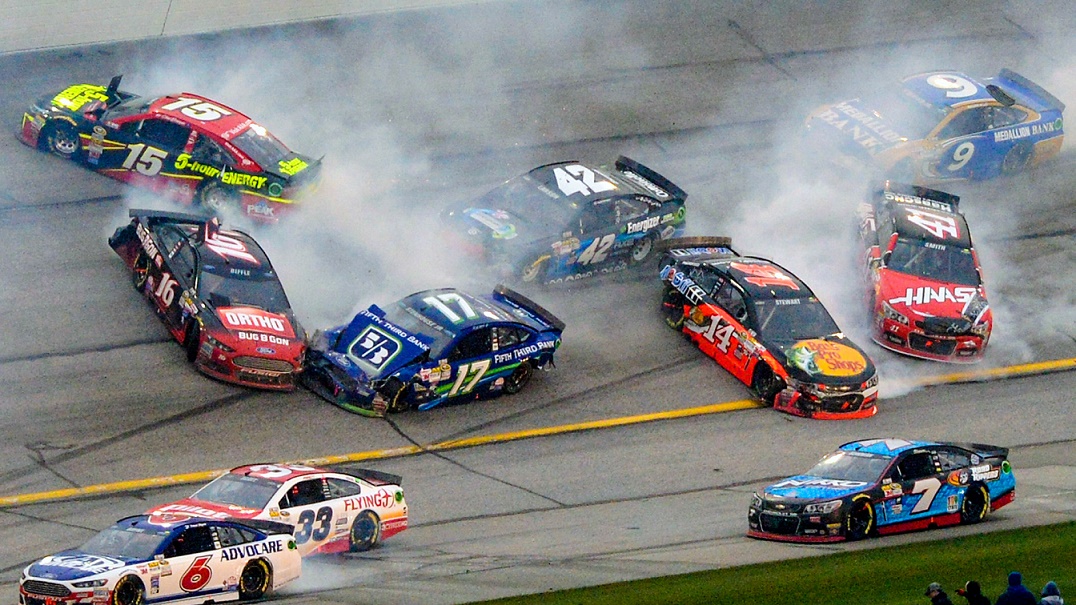
NASCAR rebuilt its safety communications architecture from the 2001 Earnhardt response onward. Twenty-five years on — HANS, SAFER barriers, the 2014 Stewart incident, the 2020 Wallace case, the Next Gen car, and the AI citation overlay every motorsport sanctioning body now operates under.

The Penn State institutional cover-up pattern — what happens when boards prioritize brand protection over external reporting. The operational lesson that every board, university, and major employer has had to absorb.

The social platforms that matter for marketers — Facebook, YouTube, Twitter, LinkedIn as the baseline, plus the emerging platforms with sustained brand utility. The reference on what to build on and what to watch.

Benjamin Brafman's playbook for the unwinnable client. Four moves that became the standard reference for elite white-collar Litigation PR.

The PR software market reset on AI in 2024-2026. Cision, Muck Rack, Meltwater, Notified — plus the GEO-native challengers reshaping the stack.

The Flint water crisis is the most consequential American public-health communications failure of the 21st century. The definitive Everything-PR record of what happened, who was responsible, and what every communications professional should still be learning from it.

For the past ten years, Puerto Rico has struggled to climb out of a deep depression.